Submission Form: https://goo.gl/forms/rTgr9PsC3CpKVtaH2
Submission Form: https://goo.gl/forms/rTgr9PsC3CpKVtaH2
Exhibited at 12th Taehwa River International Eco Art Festival, Ulsan, Korea
30 Aug – 9 Sep 2018
LED Display Panel, Metal Stand
250 cm x 103 cm x 10 cm
2018
Ulsan One Minute is an athletic competition. On contrary to a typical sports game, one does not win by being the fastest, the highest nor the strongest. The slowest wins. This simple game asks anyone being in Ulsan to count faithfully one minute in their mind without looking at any clock. The counted duration is measured by a timer – a stopwatch, a smartphone or a digital watch. The measured duration should be accurate to two decimal places. The data of each participant are collected and ranked from the slowest to the fastest before the start of the festival. It would be made up to maximum 1440 personal minutes thus a different length of a day. A public clock is installed in the Taehwa River Park and presents these personal times and paces belonging to the people in Ulsan. It also works as a reminder to pay attention and reconsider the value of time and success.

In 1959, Mark Rothko accepted a commission from Four Seasons restaurant in New York City. “I hope to paint something that will ruin the appetite of every son of a bitch who ever eats in that room”. Sounds dramatic enough, but he failed and returned the money because he found that ‘people can stand anything these days’. I was curious about what I could do in a high-end restaurant, while contributing to the context of this exhibition.
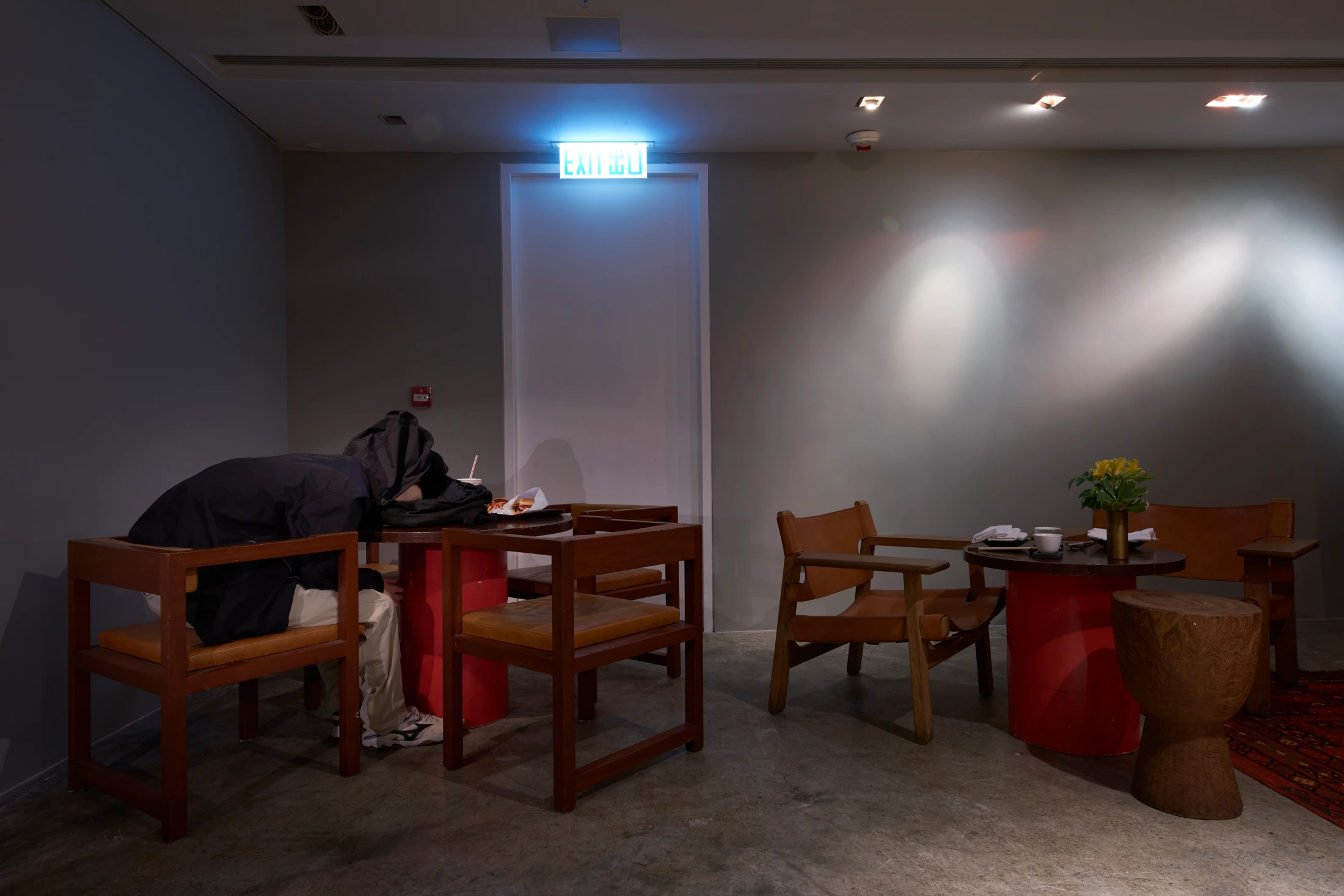
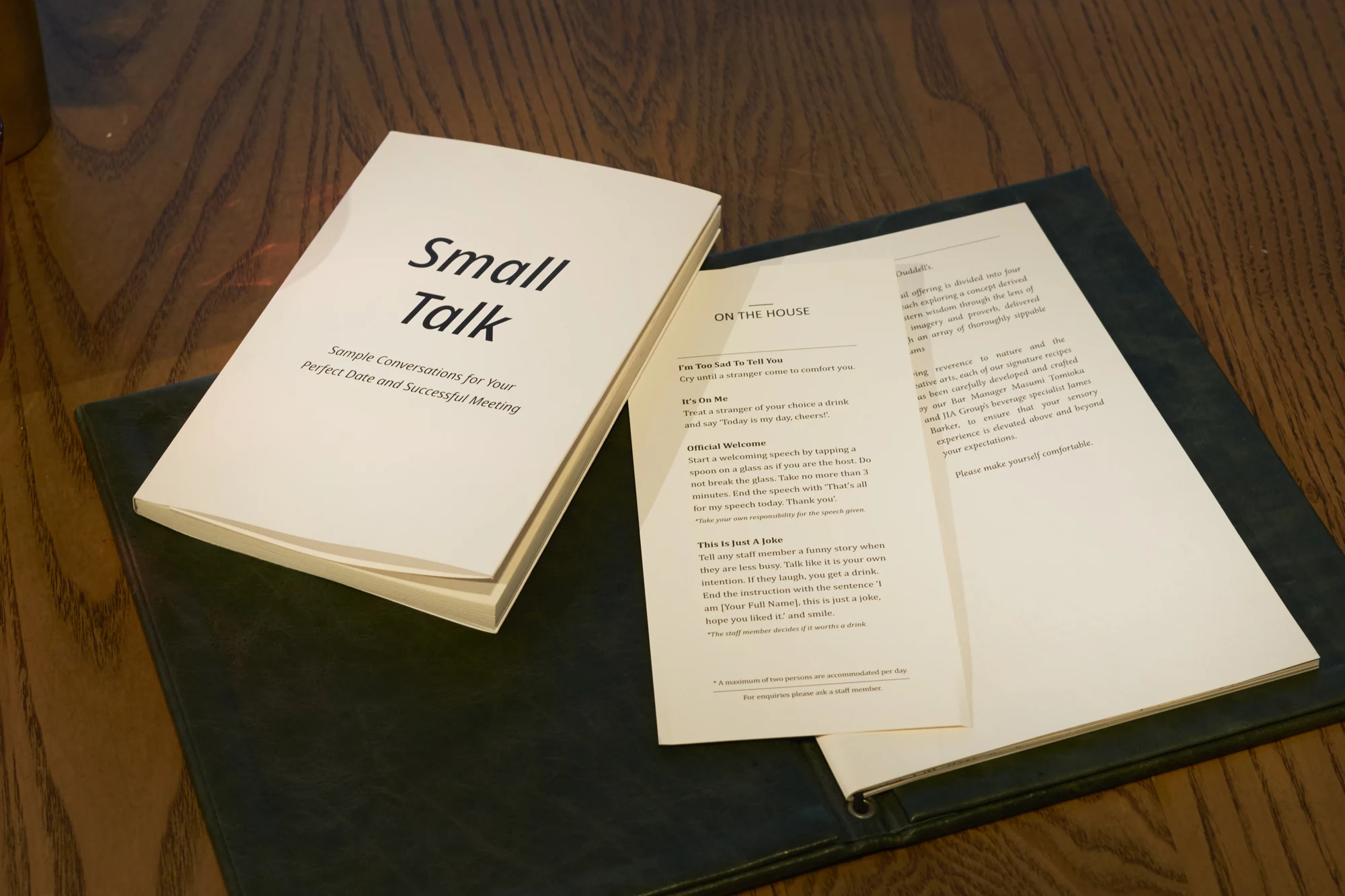
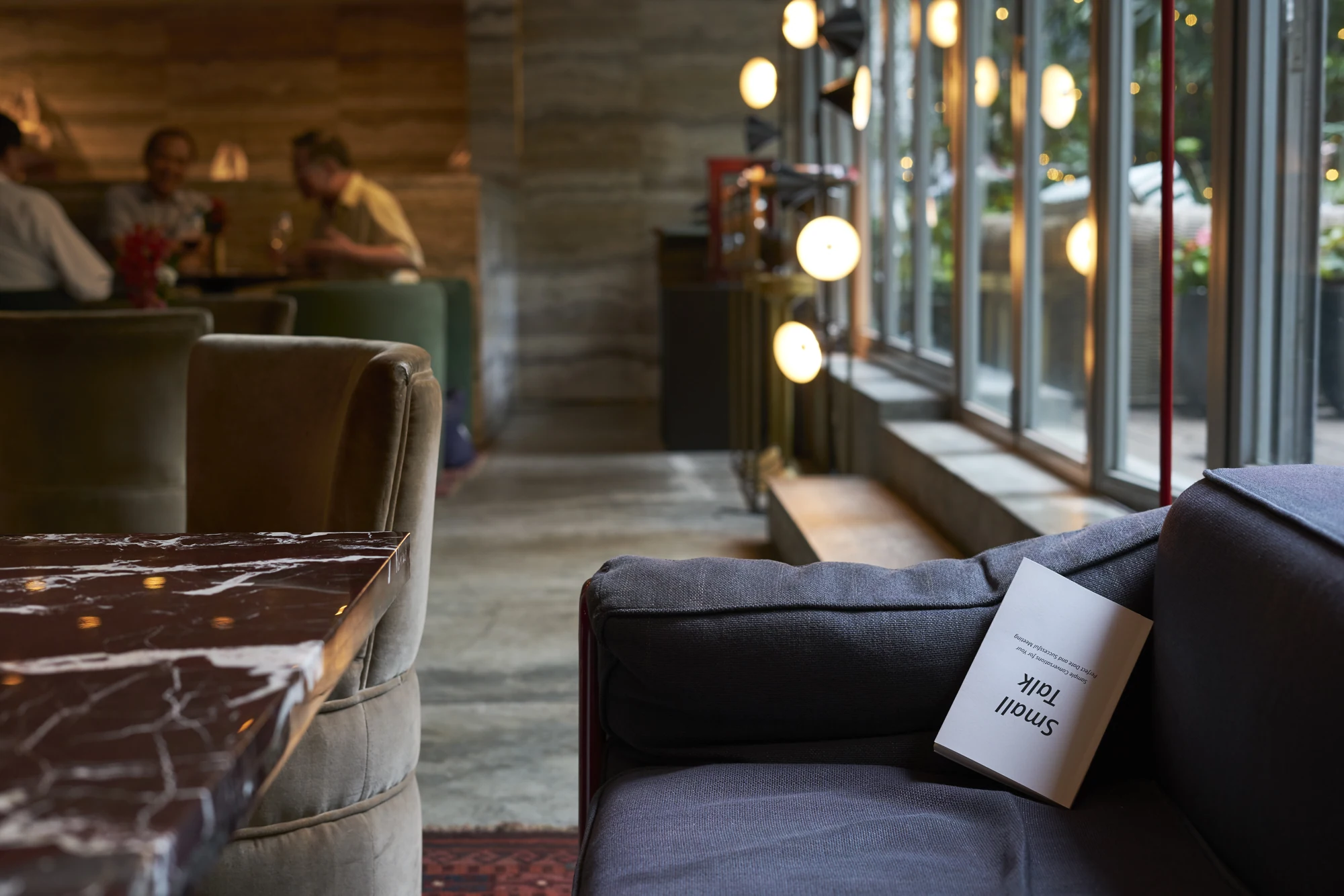
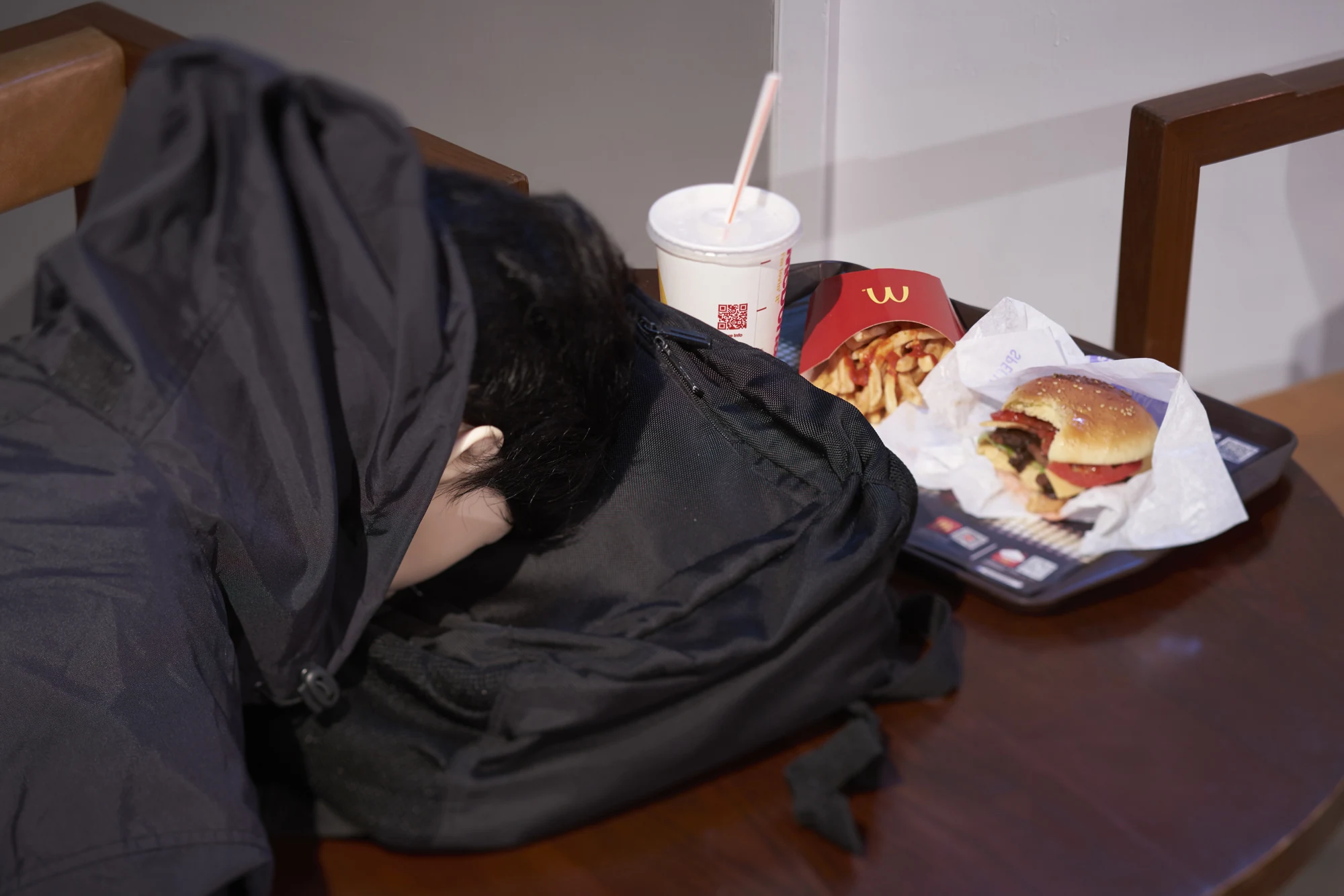
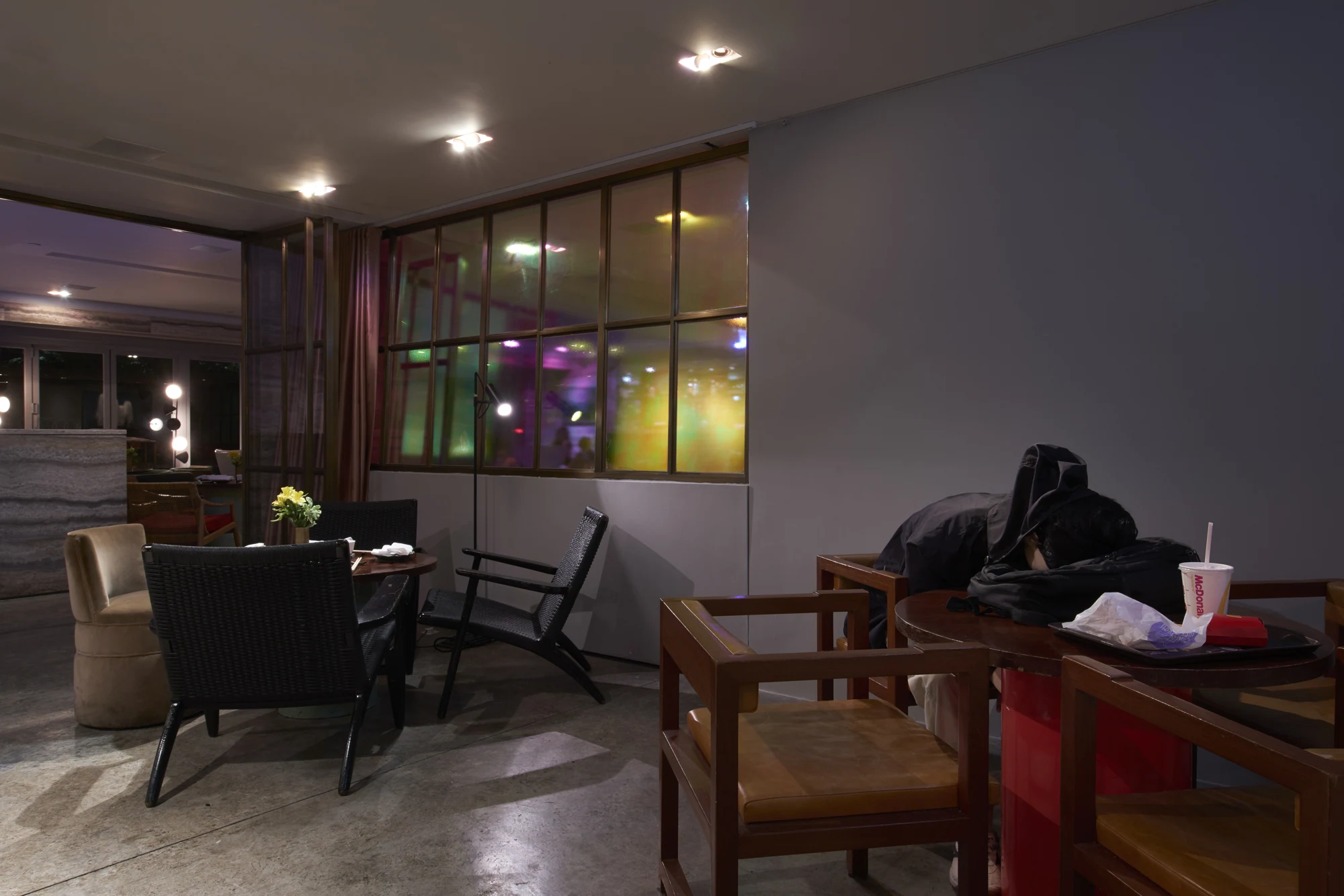
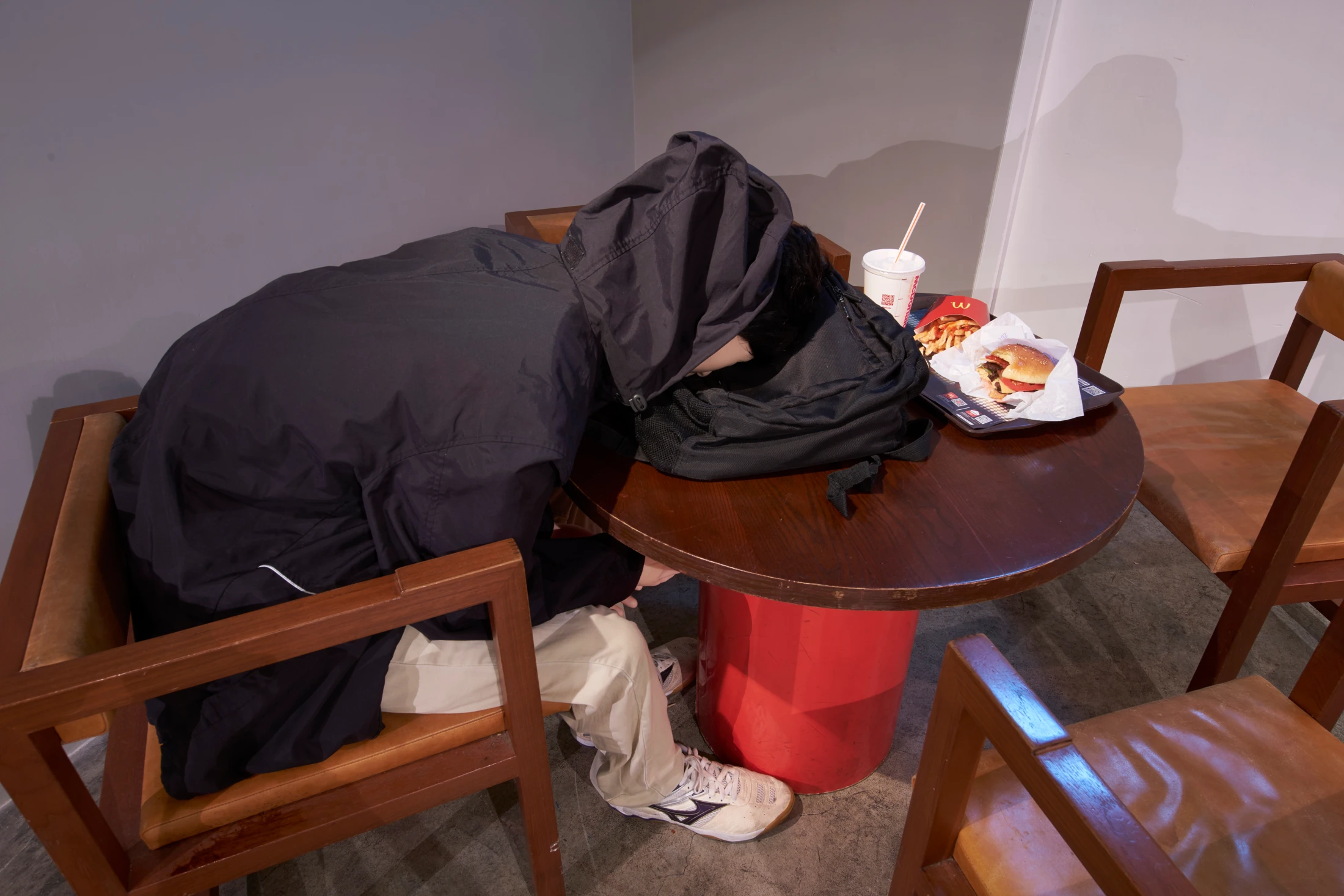
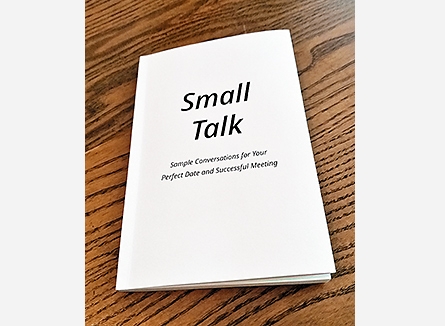
On the House invites visitors to discover a drink menu on the bar table. Visitors choose from a list of dramatic instructions and perform to get a complimentary drink. Mystery Visitor is a commissioned report written by a professional mystery shopper. After discussion with the artist, a scenario is created and the mystery shopper pays a secret visit during the exhibition opening reception. The evaluation assesses the experience of the art exhibition held in the restaurant through common business concerns. Small Talk is a small coffee-table book that visitors can flip through while having a drink and chatting with their peers. Instead of beautiful and colorful pictures, this book collects pre-written dialogues ( offered for the visitors to act out when they run out of words. Enjoy Your Meal! is a scene recreated to depict the McRefugee phenomenon and related issues happening in Hong Kong.
1959年,馬克•羅思科接受了紐約四季酒店餐廳的一項創作委約。「我希望能畫點甚麼,使在這裏吃飯的混蛋們都倒胃口。」羅思科這話聽起來可是戲劇性十足,但他終告失敗,還把錢退了回去,因為他發現「人們如今甚麼都可以承受得住。」我很好奇自己在這家高級餐廳中能做些甚麼,同時回應是次展覽的主題。
《老細請》邀請餐廳顧客探索放在吧檯上的飲品單。顧客從一列充滿戲劇性的指令中選取一項並將其表演出來,便可贏得一杯免費飲品。《神秘顧客》是一份由專業的神秘顧客受邀撰寫的報告。在與藝術家討論之後,一位神秘顧客將會悄悄到訪都爹利會館出席展覽開幕酒會,進行評價。這份評價報告會以商業標準去評估此次「藝術在餐廳」的體驗。《對白設計書》是咖啡桌上一本小巧的書,顧客們可以在享用飲品或與友伴閒聊時瀏覽閱讀。這本書並沒有美麗精緻和色彩繽紛的圖片,而是記載預先寫好的設計對白,幫助顧客在語塞之時可以照本直讀。《請慢用!》則是一個再現場景,描寫正在香港發生的「麥難民」現象以及相關問題。
香港都爹利會館
2018年8月2日至9月23日
老細請, 2018
夾在酒吧飲品餐牌內的便條
19 厘米 x 9 厘米
神秘訪客, 2018
紙上數碼打印
67 厘米 × 47 厘米
對白設計書, 2018
藝術家書籍
15 厘米 × 10 厘米 × 1.5 厘米, 100 頁
請慢用, 2018
混合媒體
衣物, 人體模型, 塑膠食物模型
尺寸可變
2018 · Artist’s book · 15 × 10 × 1.5 cm · 100 pages
2018 · Clothing, dummy and plastic food model · Dimensions variable
2018 · Note tucked in the drink menu at the bar · 19 × 9 cm
2018 · Digital print on paper · 67 × 47 cm
Media. The BUddy Post, Alumni Affairs Office, Hong Kong Baptist University
Date. 09-2017
Text. Steven Cheung
每當觀賞藝術品時,我們總會思考藝術是甚麼?「藝術是一種思考方法,給予藝術家和鑑賞者新的角度理解世界。」這是香港新一代藝術家方琛宇校友(視覺藝術)對藝術的定義,也正是他希望透過藝術創作表達的意念。以藝術創作為志業的方校友,其作品屢次於中外展覽中展出,獲得各方讚譽。方校友憑其獨特的創作,作品《販賣偷來的時間》先後於2008年獲得第十四屆香港獨立短片及錄像比賽(互動媒體組)金獎,及於2009年獲得香港當代藝術雙年獎的青年藝術家獎。「承蒙浸大的老師啟發了我,對我日後的創作也有深遠的影響」方校友說。
難忘啟迪 投身藝術事業
方校友在入讀香港浸會大學初期,修讀了助理教授蔡仞姿及副教授梁美萍博士執教的課程,從此決意開展藝術之路。「蔡仞姿老師在課程中介紹了很多她在美國學習期間知道的前衛藝術,啟發了我的創作思路。梁美萍博士執教的『當代藝術概念』課程,以例子教授藝術思想,解釋藝術家向世界表達了甚麼,而所表達的對世界構成什麼影響。那時我才明白到原來藝術是思考和觀察的方法,而這種方法是可以培養的。」
旅歐生活 啟發創作靈感
為進一步了解藝術世界,方校友選修不同人文學科,吸收更多藝術史的背景知識,並以本科生身份前往荷蘭交流,歐洲生活對他啟發甚深:「我有部份藝術品的主題如空間、時間、金錢、另一種生活的可能性等,也是源於這段外國的生活經驗。」他認為外國生活的經驗非常寶貴,故後來修讀碩士時特意選修德文,並赴德留學。
方校友認為,歐洲國家的藝術氣息濃厚,當地人從小接受哲學、歷史和人文學訓練,故懂得欣賞藝術的人較多。此外,歐洲投放於藝術的資源充沛,例如德國學院會於各個藝術範疇均設有專家提供指導,專家會仔細教導各項技術。對方校友而言,這些知識終身受用,亦為其藝術發展奠定基礎。
舉辦展覽 反思人際溝通
方校友回港後便投身藝術創作,於2013年曾以《陌生人訪問服務》為題作展覽,備受好評,今年五月更載譽重展。方校友闡釋其創作意念:「都市生活很有趣,陌生人之間經常因為不同原因而展開對話,溝通不再以『大家互相認識,並於相同時間和相同地點對話』為前提,現代人可以利用社交網站和留言功能開展和延續討論。我希望凸顯這種特質,於是構思了這個展覽。」在展覽中,參加者可以向陌生對象以文字提問,對象以影像回覆;參加者再評論有關影像,有關回應則會以字幕方式於片中播出。
寄語同業 為藝術共同努力
一直全情投入藝術創作,皆因興趣所在,若能獲得賞識,更錦上添花。今年初,方校友收到一封由韓國某學院寄來的邀請函,邀請他擔任客席教授。教他驚喜的是,這次機遇竟與七年前的一場展覽有關。「我很好奇,為甚麼這位韓國教授會邀請我,他如何認識我?原來是在2010年利物浦雙年展時,他看到我展出的一段影片,並留下了深刻印象。剛巧最近學院有職位空缺,他便立即想起了我。」方校友欣然答允對方邀請,在藝術領域上作另一新嘗試。(註:刊登這段專訪時,方校友已前往韓國發展。)
是次機遇讓方校友有更深反思:即使創作者不曾與外界溝通,觀賞者也可以讀懂作品及記於心中,多年後仍有迴響。「藝術是世界語言,不同的人看到同一作品,也可以收到相同訊息,引發思考。」對於香港的藝術發展,他坦言路不易走。雖然如此,若能裝備好自己,當機會來到,便能隨時迎接新挑戰。「我期望能夠和其他浸大藝術畢業生共同努力,在這片土地栽種出藝術之花。」
 |
 |
| 方校友以自己作為裝置品之一。 |
 |
|
| 裝置藝術作品 |
 |
|
| 方校友的展品 |
http://thebuddypost.hkbu.edu.hk/web/sep17/chi/people_wisdom.php
Media. The BUddy Post, Alumni Affairs Office, Hong Kong Baptist University
Date. 09-2017
Text. Steven Cheung
Very often, when we look at an art piece, we may come up with a question: What is art actually? “Art is a way of thinking, facilitating us to see the world from another angle,” a definition given by alumnus Silas Fong (Visual Arts) who, through his art work, has been delivering this message to the public. The unique style of Silas’ work has not only brought him opportunities to hold exhibitions in Hong Kong and overseas, but also awards. For his work “”Stolen times for sale”, he won both the Young Artist Award at the Art Biennial Awards in 2009 and the 14th Independent Short Film and Video Award in 2008. “The compliments owe to the inspiring teaching of the professors at HKBU, which has far-reaching impact on my work,” said Silas.
The Road to Art
Silas recalled that during the early days at HKBU, he was already very much inspired by Assistant Professor Choi Yan-chi and Associate Professor Dr. Leung Mee-ping. “Ms. Choi has told us many things about avant-garde art which has broadened my horizons; while Dr. Leung has taught me much about concepts on contemporary art, provoking my thoughts on what art was.” Silas then realised that art was actually a way of thinking and observation, and reflected on how artists have used art to deliver their messages to the world.
Inspirations Gained from Living Abroad
Silas reckoned that for a better understanding of the meaning of art, he had to learn its history and know its background; and taking humanities classes could be a way. Yet, this was not enough, he thought, as increasing his exposure was equally important to develop his creativity. During the time at HKBU, he had a chance to go to the Netherlands as exchange student. After graduation, he also spent a year in Germany to further his study. “Living in Europe has brought me much inspiration. Some of the themes of my work, like ‘time’, ‘space’, ‘money’ and ‘alternative way of living’ were actually reflections of my days in Europe,” said Silas. He treasured much the experience he gained during that time.
“Europeans value humanity and art. People learnt about philosophy, history and humanities since young and hence it is no surprise that Europeans know how to appreciate art more, when compared to Hong Kong people,” commented by Silas, “not to mention that European countries have put more resources on development of art culture. For example, the art institutes in Germany have expert in each specific art field, advising students and transferring knowledge on specific skills.”
Exhibition Reflects Uniqueness of Work
After returned to Hong Kong, Silas has fully devoted himself to art work. In 2013, he held his first exhibition with a theme “An Interview with Stranger” and owed to good response, the same exhibition was re-run in May this year. The success was a showcase of his creative thoughts. Silas explained the concept behind, “I observed that people nowadays might start a conversation even they do not know each other. Communication is no longer limited to people you know, or space and time, and this is obviously seen in social media platforms. This exhibition is to bring audience a new concept on communication.” Silas continued, “First, I invited participants to raise questions in writing. I then went to a stranger and videotaped his/her response to those questions. Next I would show this video to the question originator and ask him/her to give feedback which would be displayed in the same video. The final outcome of the video showed a well-communicated conversation between two strangers, though the sequence of this communication was not in the original order of time.”
Prepare for Opportunities to Come
Always do your best as you never know when opportunity will come. This is exactly what Silas has recently experienced. Early this year, he received a letter from a Korean professor, inviting him to be visiting professor of their Academy. Silas was very surprised that this Professor knew him. He then found out that his work exhibited in Liverpool Biennial 2010 has impressed this Professor a lot, who therefore wrote to invite Silas. “I have never thought that an exhibition held seven years ago could bring me new opportunities,” said Silas, who has delightedly accepted the offer. (Remark: Silas is already in Korea now.)
As a concluding note, Silas said it was not easy to pursue a career in art in Hong Kong; yet, it would be important for us to always equip ourselves and get prepared for opportunities and challenges. “I hope graduates of HKBU Academy of Visual Arts could joint efforts to help cultivate the art culture in Hong Kong,” Silas grinned.
|
|
| Silas makes himself as part of the installation exhibits |
|
|
| Installation exhibit |
|
|
| One of Silas’ exhibits |
http://thebuddypost.hkbu.edu.hk/web/sep17/eng/people_wisdom.php
Media. 立場新聞
Date. 2018-08-09
Text. 曾家輝

早幾天到了在中環都爹利街的都爹利會館(Duddell’s),是米芝蓮星級食肆,又是藝術空間,筆者是衝著剛開幕的群展「在眾神失語的日子」(The Day the Gods Stop Laughing)(展期至9月23日),也幻想著在那麼高檔的地方,學著高檔人士,吃高檔食物,度過高檔的時光。
這次展覽由北京策展人富源策劃,在這已甚富設計感的地方展示了陳泳因(Doreen Chan)、陳沁昕(Tap Chan)、葉慧、方琛宇(Silas Fong)等四位藝術家特別為這次展覽及地方而創作的作品。
在一個如此的星級食肆暨藝術空間看展覽,究竟是怎樣的一回事,會否好像展覽一般,連神也失語那麼富宗教、哲學及矛盾味道呢,是失語,不是無語,連神也無法理解語言內容、無力或清楚發音、錯誤配詞、命名障礙等等,真是奇怪又特別,本來神已是應該超越凡人語言的限制,但衪們也失語時,將這種想像放在這位於中環的食肆中,好像是為充滿了市場物欲,又有一種城市美學的氛圍中,增添了一絲荒謬滑稽的聯想。
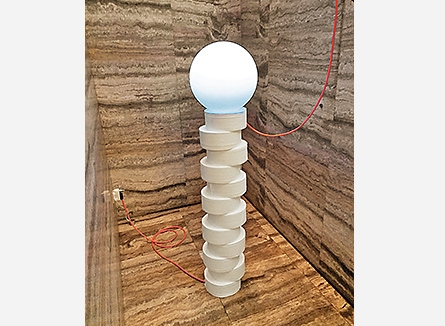
走了一圈,藝術家彷彿是在那裡的不同地方,從在樓梯、會客廳到藏書閣,製作了好幾個有故事或背景的場景——走出升降機,看到接待處,走上樓梯才到上一層的食肆及藝術空間,原來在螺旋型的樓板位置已放置了本地藝術家陳泳因的作品《他安然無恙》,以燈球、環保袋、廁紙、電線等創作成的他和她的故事,她不在了,但他如常在這裡,如常無恙;走了上去,可看到在香港及首爾居住及工作的本地藝術家方琛宇的一組作品:《老細請》、《神秘顧客》、《對白設計書》及《請慢用》,當中涉及行為表演、裝置等不同的藝術形式,從觀眾可以做出特定的動作而獲得一杯免費飲料,到伏在桌上的塑膠模型,在這空間中進行一連串的批判,批判的是在餐廳中搞展覽,到「麥難民」現象的出現;旁邊有本地藝術家陳沁昕的《糾纏》,受到Stanley Kubrick的電影所啟發,好像是在七彩繽紛的彩虹光影下,有一對如瀑布的畫;另外還有來自廣州的葉慧的《等候室》,在不同位置放了一些藍牙音箱,播出三位原型來自三件不同年代及地方的兇殺案女主人翁的聲音片段,包括美國鳳凰城的的Angela Simpson,奧地利的Gertraud Arzberger,以及香港的李鳳鳴。
當大家走進餐廳,經過不同地方走到自己的座位,又或和朋友在示同位置閒聊談天,又或坐著吃美食的時候,看到或聽到幾位藝術家的作品,不知有甚麼感覺,不知作品當中的隱含的故事,又或那些批判、矛盾、衝突等,在這如此高度有設計感的地方,又是這星級餐廳中,不知一眾食客們是如何邊享受人生,邊被藝術品啟發呢,尤其是葉慧的作品,當食客們突然聽到一些女性的聲音片段,原來是充滿了暴力、衝突、不幸的,希望他們不會投訴啦。
四組不同風格的作品,以不同方式介入食客的消費行為和餐廳本身的既有環境設定,筆者自己最喜歡那份衝突及批判,是在這地方舉行藝術展覽的最大價值。幻想著在那麼高檔的地方,學著高檔人士,吃高檔食物,度過高檔的時光,不知道那些人當那份衝突及批判是甚麼呢……
筆者並非要說甚麼大道理,只是有時候看得多,有所感受而已。
Media. 信報財經新聞
Date. 2018-08-09
Text. 卡夫卡
位於中環的都爹利會館,向來把食物與藝術融為一體。藝術品放在餐廳不同角落,老闆羅揚傑笑言,前提只要不影響食慾就可以!最新的藝術聯展《眾神失語的日子》,其中一名香港藝術家方琛宇(Silas Fong)更設計了一個遊戲,大家若參與這個「行為藝術」,更有可能獲得免費飲品一杯。
這個「行為藝術」有多個項目可選擇,你只要「表演」其中一項,就能獲得免費飲品一杯。項目「餐單」設計得像普通餐單一樣,可選擇的表演,包括:扮自己是一個盛會的主持人,當眾敲杯,然後發表祝酒詞;另一個是你在場內哭泣,直至有人走來慰問你等等。而「最容易」的一項,卡記認為是這個——你可向餐廳內的職員講笑話,直至引到他們發笑,你就能成功得到這杯飲品。這杯飲品為雞尾酒,每天限定2杯,先到先得,價錢沒有限制。
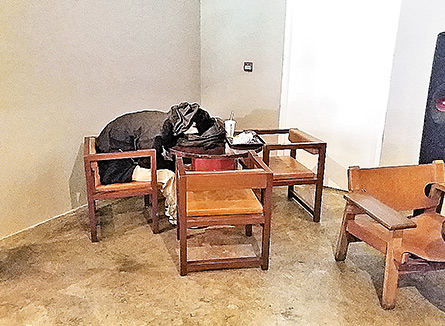
此外,方琛宇亦在餐廳角落安置了一組影射「麥難民」的裝置作品。現場只見一個像真人般大小的膠公仔,像十分倦怠地伏在桌面上,前面是薯條、汽水和托盤。方琛宇說,這個作品,只適合放在這間高級餐廳才收到效果,因有着對比的作用。
的確,要過「麥難民」生活的基層市民,除了來中環的高級餐廳打工外,大概無可能在這兒消費,更遑論睡覺。即使這兒的空間較麥記更大,也更舒適。
廢話對話
方琛宇在這兒的第三組作品是兩本名為Small Talk的小書,隨意放在梳化座位上,大家見到就可以拿來讀,那是一本寫了多種談話內容的小書,假如你跟朋友剛好沒有話題了,裏面有廢話、不太禮貌的說話或其他用來防止dead air的對話。例如這句「What do you think about this place?」(你對這地方的想法是?)回應則為「It is very interesting」(這兒很有趣)。
不知從何時開始,「Interesting」變得可圈可點,不想讚美但又不想表達負面意見時就說「Interesting」。廣東話亦不知從何時開始有這個用法,叫做「得意」,如果你送出一份禮物,別人回應你「幾得意喎」可能代表對方不喜歡。
另一句設計對白是「Where are you from originally?」(你由哪裏來?意謂你的祖籍是哪裏?),回應則為「I’m from my mother’s womb」(我由母親的子宮而來),這個回應明顯就是不想回應了吧!方琛宇說,在外國這樣問別人很不禮貌,「我由哪裏來」與我們的聊天內容有何關係呢。
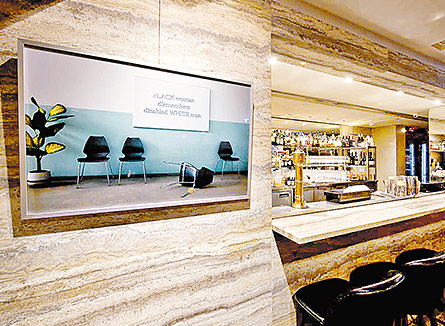
此外,同場還有另一組創作來自廣州的藝術家葉慧,她目前在維也納定居。葉慧的作品常從罪案現場得到靈感。是次她透過聲音裝置呈現廣播劇,內容原型取材於三個不同時空兇殺案的「女兇手」,對話內容遍布會客廳的各個角落。
罪案靈感
此外,牆上有一幅攝影作品,靈感來自美國一宗兇殺案,一名黑人妓女殺了一個白人警方線人,理由是她認為他威脅到她們行業的生存。葉慧認為,社會在一些女殺男的兇案,一面倒同情女性。她覺得很奇怪,因為女性是健全的人,也是獨立的人,她們應該承擔其殺人的後果。
展覽由即日至9月23日在都爹利會館四樓舉行。
翁子健
「愛蝶灣6樓D室」是方琛宇這次展覽的題目,但也是他家的地址。這個雙重性的意味在於:作為一個普通的概念,地址是功能性及指示性的,但以這個地址命名一個在科隆發生的展覽,這個地址便不再有任何實用意義,因為作為題目它不是為了讓人去尋找這個具體的地點,對於觀看這次展覽的人來說,甚至這個地點是否存在也不要緊。這種雙重性正是方琛宇創作中的核心命題:那些既是完全私密的、又同時極盡人所共知的事。
這個地址當然也是一個提示,幫助我們去理解這個展覽:首先,它指向香港,全球金融中心,曾經的「世界工廠」的大腦,以貿易自由聞名,一個以效率和生產力作為最高評判標準的地方。這個務實的社會篤信時間就是金錢。在這兒成長的人自然而然地帶有一種道理的責任感:必須以「正確」的方式利用時間,而浪費時間就是一種反叛。從這個角度看,不妨將方琛宇的創作理解為一種對反生產力的研究,是對於那些令人罪疚和難受的不事生產的時刻之探討。他的追問是:難道我們的個人歷史不是由無數的這些「非歷史性時間」構成的嗎?這些時刻怎麼可能會毫無意義呢?
這個地址也指向《D室》,那是這次展覽上的一件作品,2015年在香港藝術中心第一次展出。當時,方利用了展覽的一個角落,將之改造,仿製成自己家中睡房。展覽期間,他邀請觀眾每人獨自在房間內等待10分鐘,房門鎖上,任何計時工具都不得帶上。觀眾知道他將會在房中等待10分鐘,但是房間裡沒有任何值得一看的東西,他們只能把注意力放在自己的頭腦內。他們的日程計劃,他們的體驗,好比是突然被中斷了一下,儘管他們是自願參與這件事的,但是他們也不得不停下來,面對這個中斷。這就是這個作品的核心命題:這個沒有理由的中斷,這10分鐘裡的發生的事情,它意味著什麼?在未來我們還會記得它嗎?
當下這次展覽的其他三件作品可被視為方的研究之考察素材。他以圖片及文字記錄了他在美術館實習值班時,在上課時,和在長途巴士上的心理活動。這些文字可能會有點像經典的意識流小說,尤其是卡謬的《局外人》,但是文學性不是方關心的問題。方要探討的是一種普遍的東西,而不是一些特殊的私人經驗。試想:在沉悶和分神時,我們是否都會在頭腦裡跟自己說話?我們都跟自己說了些什麼?這些話是偶然的嗎?它們為什麼會出現,為什麼會這樣出現?它們可能還會出現得毫無約束,不顧任何社會的基本禮儀和道德。與當下情境毫無關係的記憶畫面也會浮現,我們都不知道此事此地為什麼會想起這些事。方以自己的經驗,希望探討的正是這些我們自己跟自己的對話。
在來德國兩年之前,方在香港已是一位受到認可、有相當經驗的藝術家。對他而言,來德國讀書,最重要的肯定不是獲取新的資訊和方法,而是對一個陌生環境的體驗,一種距離感和冷漠感,因為孤獨正是方最感興趣的感受之一,他的創作也往往旨在處理及轉化孤獨,以達致對自我的更深刻的理解。從這個角度看,這次展覽的最後一件作品《午後》真可謂是一個美麗的比喻:《午後》是一本沒有文字,不記載任何知識和歷史的書,書中只有陽光的映照,隨著時間轉變形式。這大概象徵了方的藝術創作之要旨:自我對於時間和心靈的最為細緻的感受。
– 文章刊登於同名展覽場刊


Time, Furtive Glances and Banality: a discussion of Silas Fong’s early works
Anthony T. K. Yung
2010
“Stolen Times for Sale”
“Stolen Times for Sale” is a game of conceptual switcheroo. During the morning rush, Silas Fong pushed the hold button in the elevator of a Hong Kong high-rise apartment building. He filmed the fleeting six or seven seconds between the opening and closing of the doors. He then sold these dozens of six and seven second segments at a price determined by the number of people in the elevator, their expressions and their responses. Each segment is sold only once. The sold segment of video is replaced with a text on screen [Sold – XX Seconds for $XX]. When sales are good, and “time” is sold out, all that remains of the work is a textual record of the length and sale price of each segment.
This work has attracted attention in so far as it purports to not only steal a fleeting moment, but then sell it. It asserts the power to challenge the absolutism of time. However, what the artist is selling is not to time, but images. On that morning, seconds of time are stolen from the elevator passengers (the artist’s put-upon neighbors), time that should not have been lost in this way and which can never be wrested back. What has been sold is simply the image of the process of that theft, and not the time itself. The result is that those blameless few seconds now belong to no one: neither to the artist, nor to the buyer.
At this point we have already perceived that the conceptual switcheroo involves the concepts of “time” and “image.”
“Sale” is the work’s other central concept. Because images are reproducible, buyers and collectors of video art have been hesitant to enter the market. But in “Stolen Times for Sale,” the videos are only being sold in the name of “time.” The sale of the video makes effective use of the sense of absolute singularity that is associated with time, and is, in this way, seemingly effective at taking the measure and establishing the value of video art.
Thus, the structure of the work is established in the following way: wildly pushing elevator buttons is a favorite mischief of children in Hong Kong, and dull moments spent waiting for and riding in elevators–time spent in impatience–are also an unavoidable experience of Hong Kong life. Silas Fong turns these authentic experiences into an artistic subject, a game of logic, and uses the conceptual obfuscation of the artwork to package apparently reasonable products.
“Following strangers”
People continue to advocate for privacy, and privacy protections have been enshrined into law. At the same time, we can not wait to engage in performances of the self and to violate each other’s privacy. Facebook has easily surpassed Google as the world’s most popular website. Compared to Facebook, Google is but a serious, just and trustworthy librarian! When people log into Facebook, do they sense that they have now been placed beneath an infinite series of eyes? “Friends” on Facebook are uninterruptedly connected. Friends always have friends, and these “friends of friends” fall far outside the limits of our imaginations. They can be someone who you will never meet in your life, or they can be someone who is greatly offense to you. The eyes of “friends of friends” are the eyes of the big other, the eyes of the world. Deeds and images that you might rather not have made public can be posted at any time to Facebook by people who know you (not “friends,” but people who merely “know” you). The degree to which your precious privacy has been unveiled to the world will be unknown to you, let alone within your power to stop.
What is frightening about Facebook is that even if you do not participate, you can not avoid it. It’s primary driver is something that everyone shares in common: an objectless curiosity, a kind of voyeuristic tendency, a continually growing and insatiable desire, one that exists, in particular, in the virtual world of the internet.
Silas Fong’s work “Following Strangers” is a self-made, web-based platform, where he gathers account information of interest to him from users of Facebook and other social media platforms, and where he cites his reason for his interest in this person, his impressions of him/her and his reason and motivation for wanting to add them. Here, the artist is taking on the role of voyeur and surveiler/follower, and, at the same time, attempts to explore the background motivations for surveilling/pursuing/following these people. In this inverted social media platform, the focus is not on whether the photos and information from these strangers is truly interesting, but rather the disclosure of the psychic motivation of surveilling/pursuing/following strangers. For the most part, these so-called “motivations” are dull and banal, and reveal, to a greater or lesser extent, that in social media space, forming “real” relationships with strangers is beside the point, and what is most important is that when taking a furtive glance into the world of strangers, our curiosity is being continually nurtured.
Staring, being stared at, and the disappeared starer
The work “In some seconds” is the artist’s documentation of the roadside scenery that passes over the course of a bus route. Throughout the recording, passersby cast their curious glances towards the lens. While in “Waiting,” the artist takes surreptitious pictures of the expressions of people waiting in Times Square. The installation of “In some seconds” is highly designed: it reproduces the visual experience of riding on a bus, which has no difficulty in attracting the viewer’s formalistic interest. The latter, we can easily place the latter within the urban documentary photography tradition of Walker Evans and Helen Levitt.
In fact, both works have developed around a topic of continuous interest for the artist. Everyday strangers appear in “In some seconds.” Their visages, expressions and gazes are videographic documentation of a transient moment in the rush of daily life. “Stolen Times for Sale” is concerned with fundamentally the same topic. “Stolen Times for Sale” forcibly interrupts people’s elevator journey to attract their gaze. When viewing, “In some seconds,” we can not be sure what it is exactly that is attracting the bystander’s gaze. Fascinatingly, when we view the work, we substitute ourselves for the subject of the staring, and imagine the self through the gazes and expressions of those strangers. In other words, other people are mirrors.
When compared to “In some seconds,” “Waiting” is far less grand in terms of subject and skill. The people waiting at Times Square in Causeway Bay are everyday people, strangers. They are unoccupied. Because their pictures have no particular significance as social documentary, these people can function as pure aesthetic objects. And because these were taken surreptitiously, the gazer disappears, and again we walk into this paradox: is the focus of this work on the aesthetics of the object or is it the subjective feeling of pleasure produced from voyeurism? Here, Silas Fong is in the process of simplifying the form and conceptual structure of his work, attempting to utilize an exceedingly banal attitude to represent the banality of people.
[Translated from Chinese by Jesse Robert Coffino.]
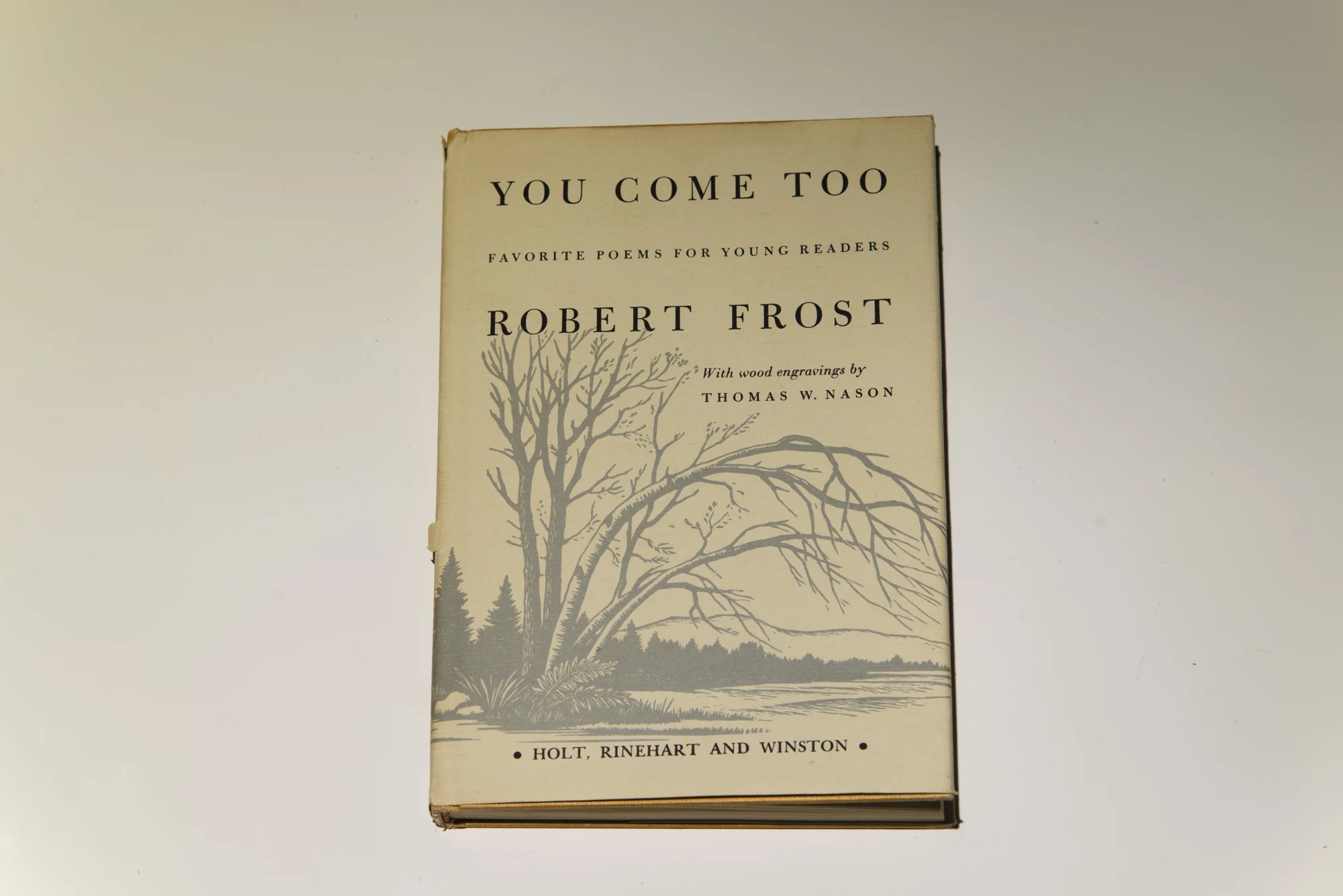
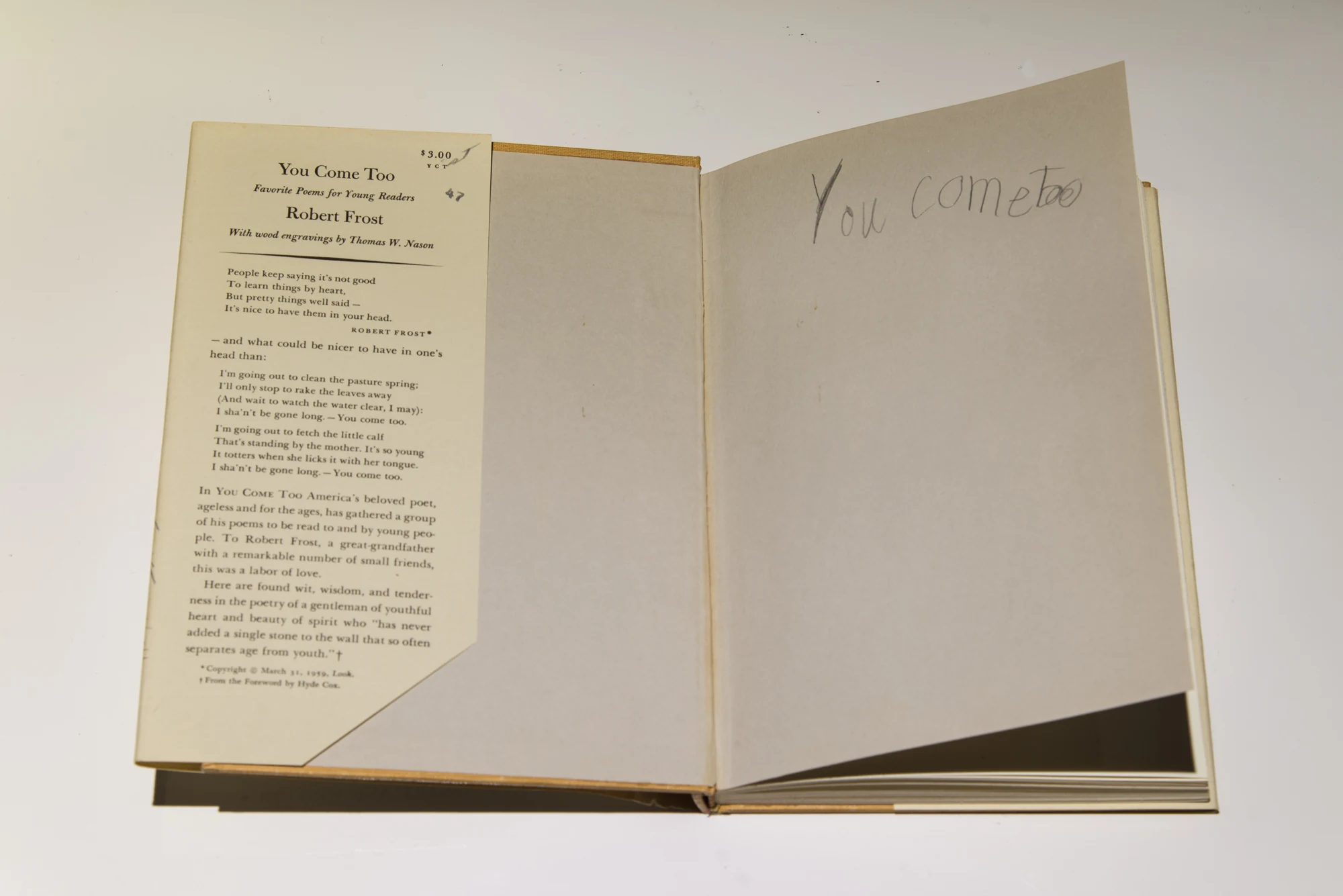
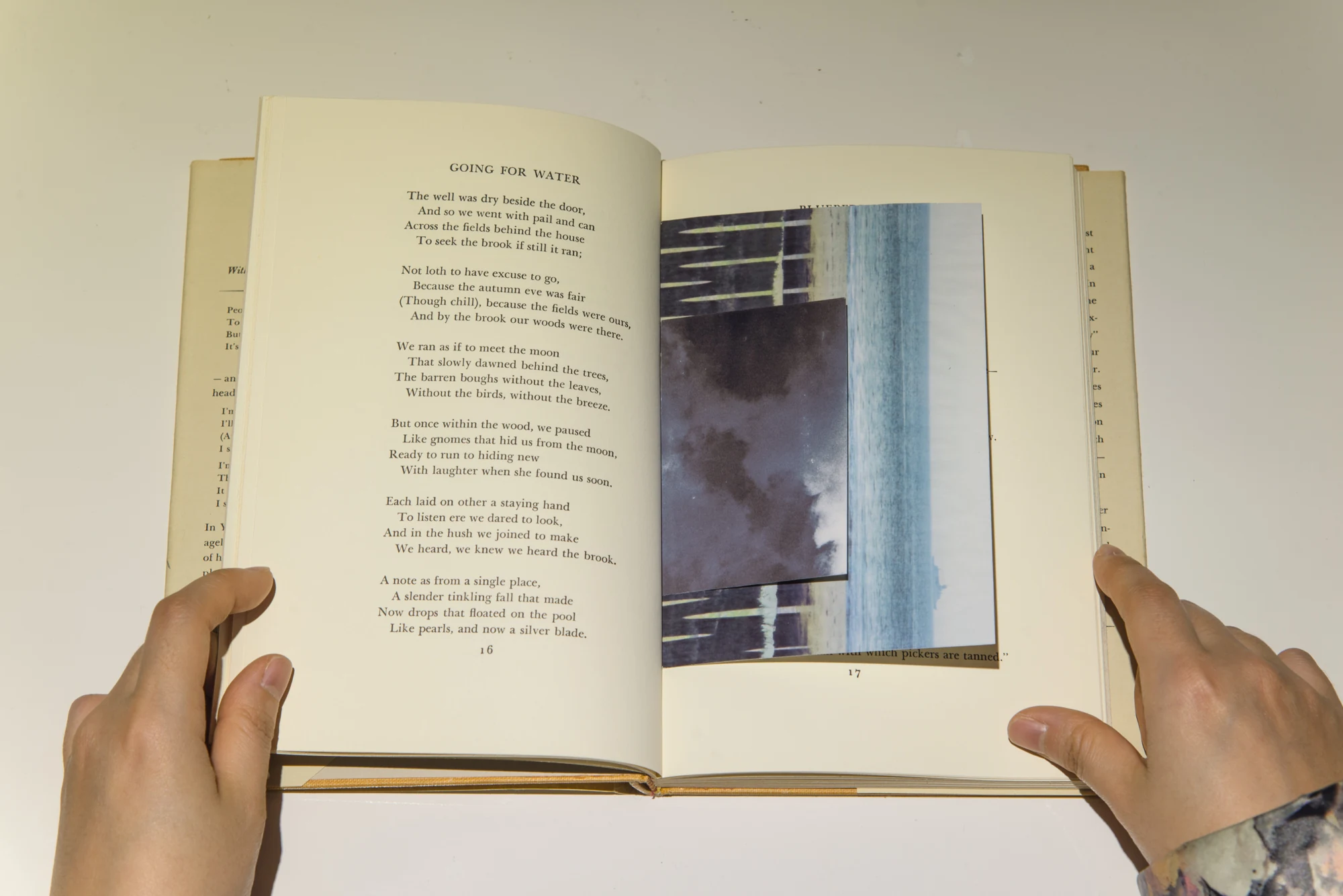
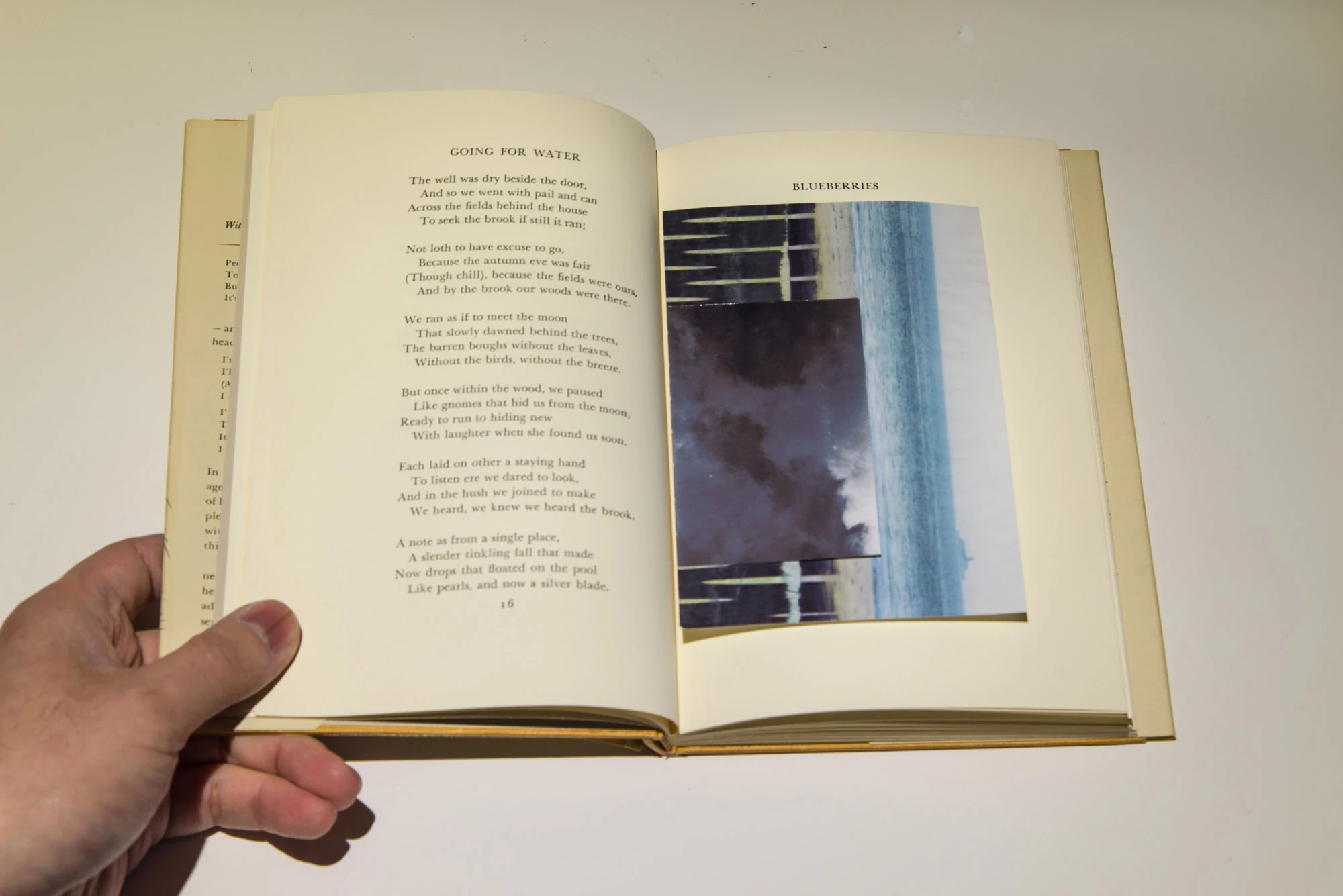
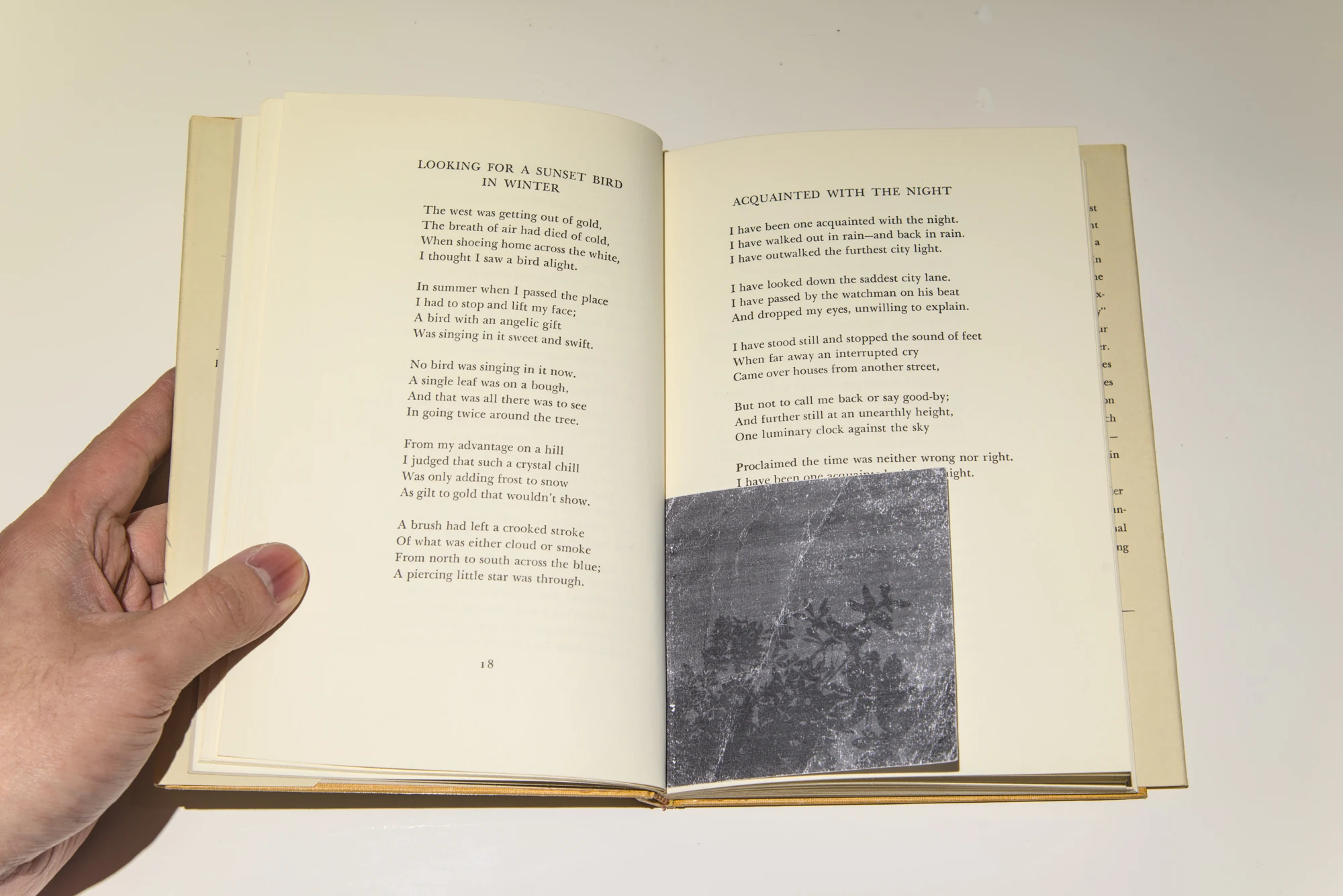
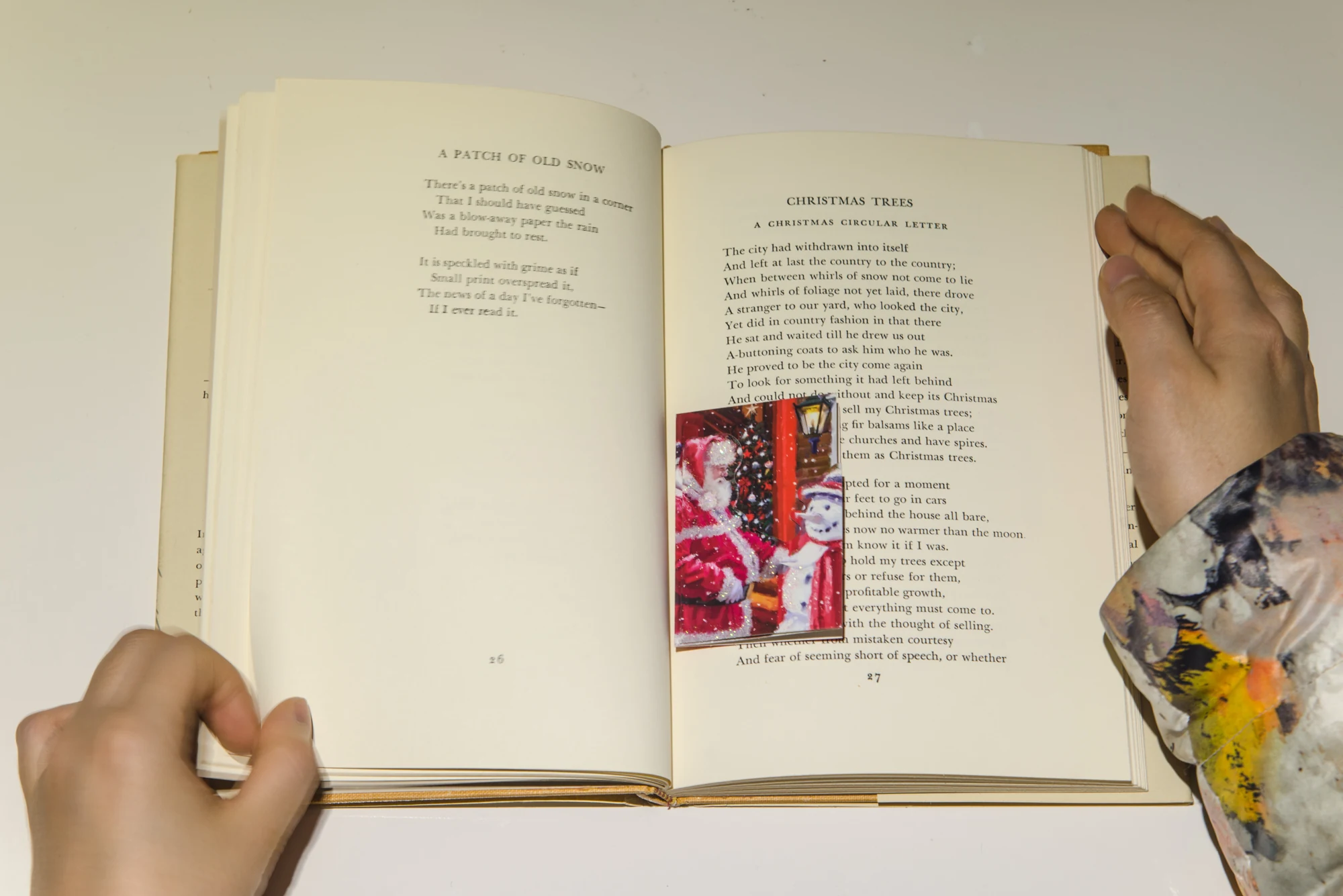
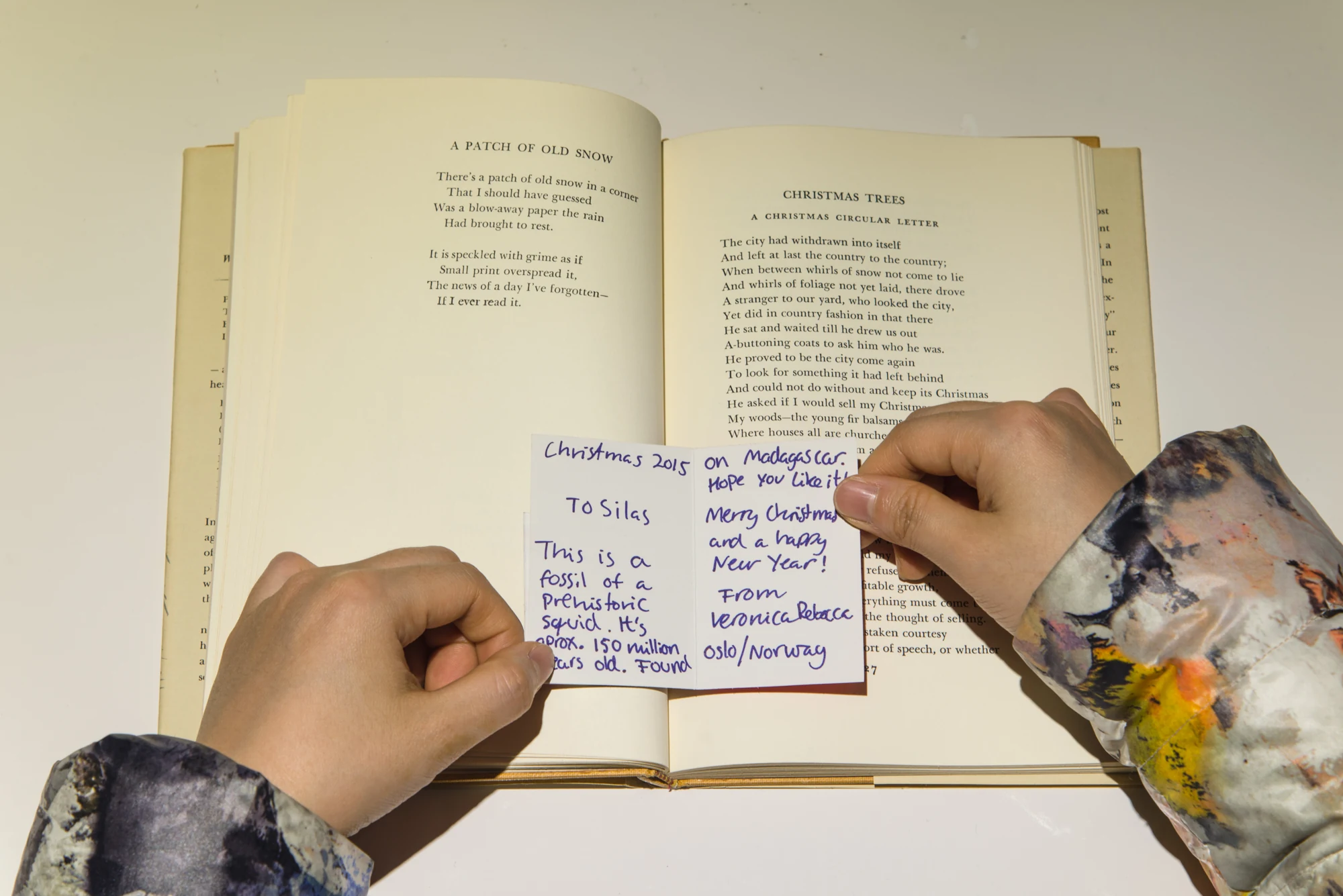
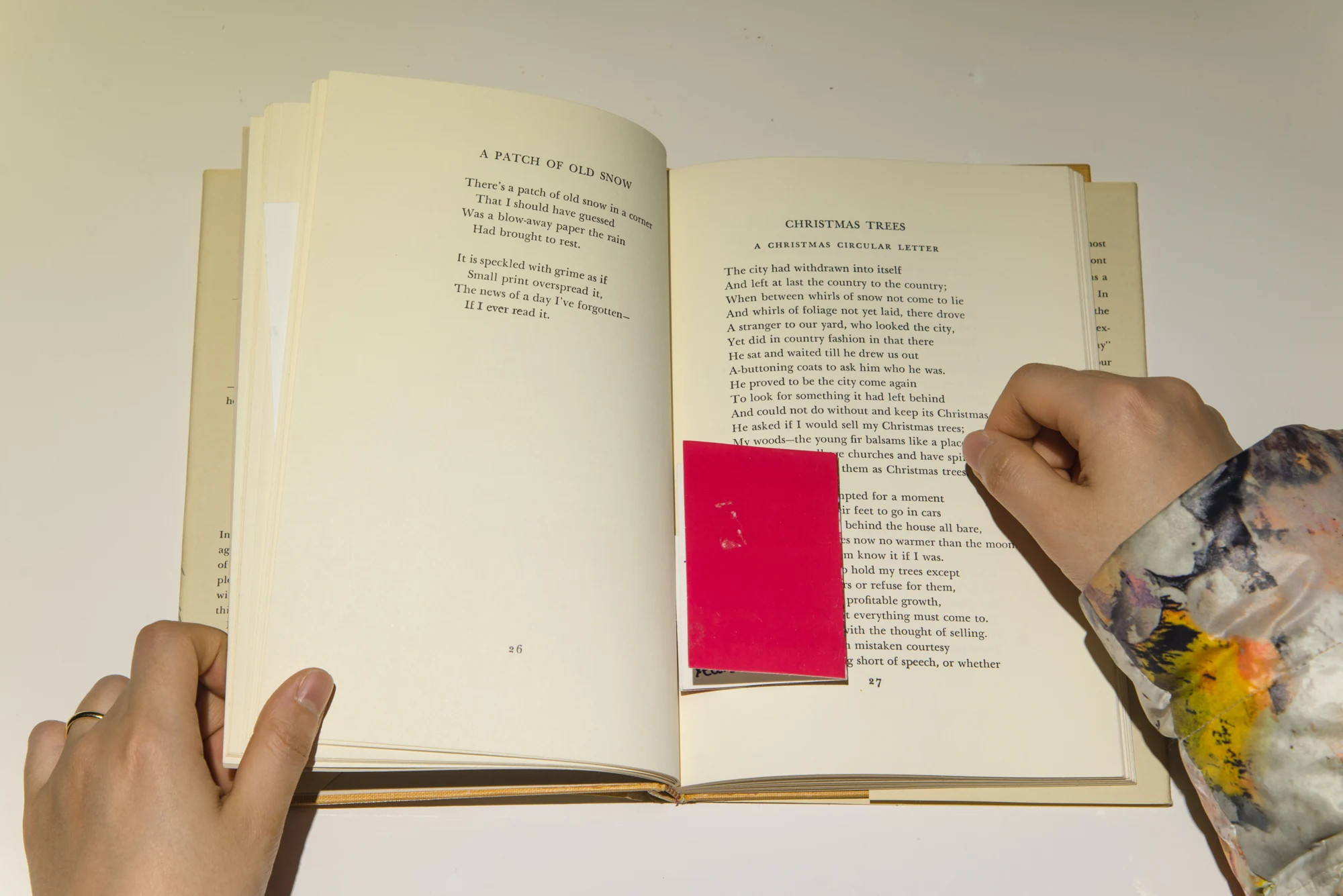
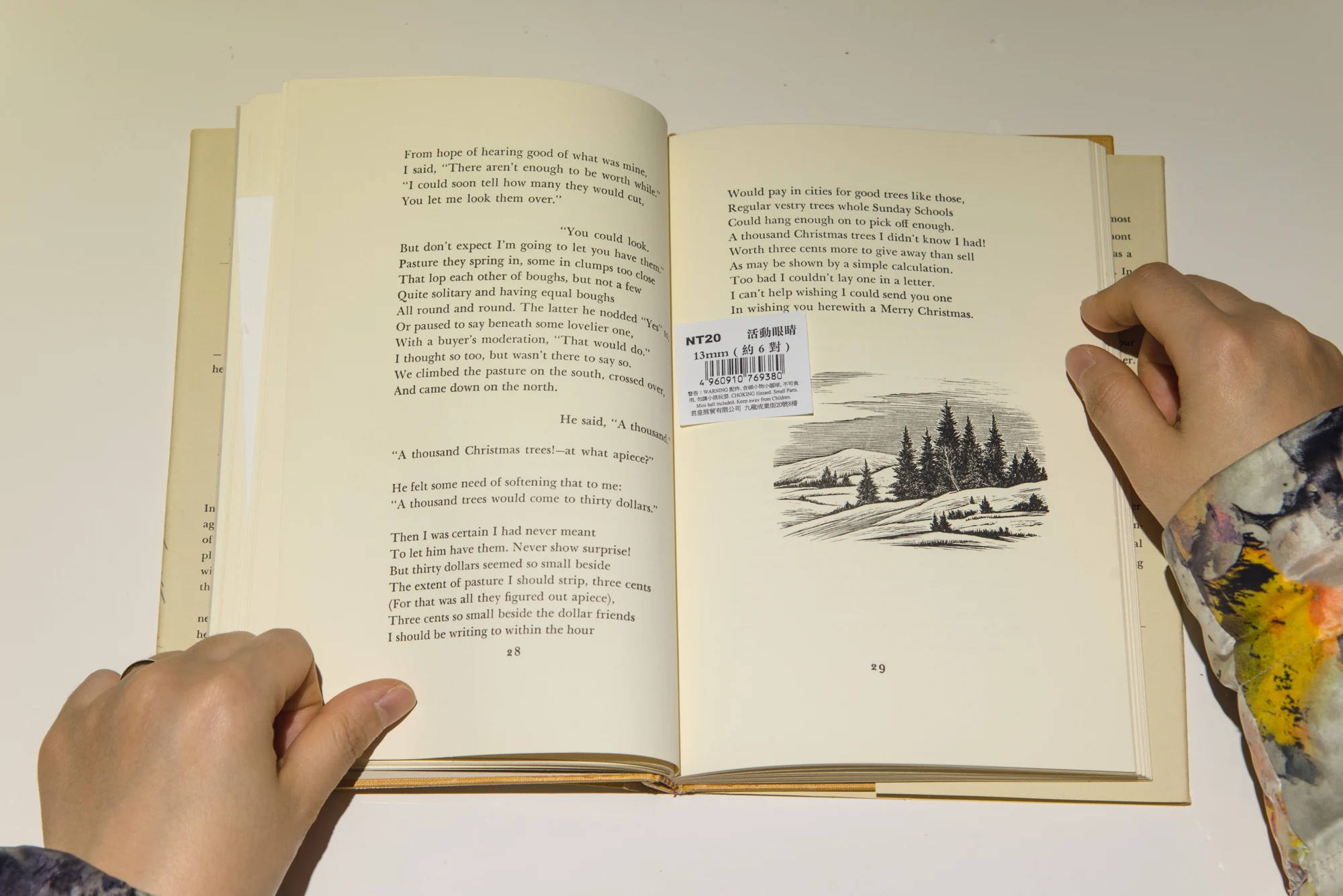
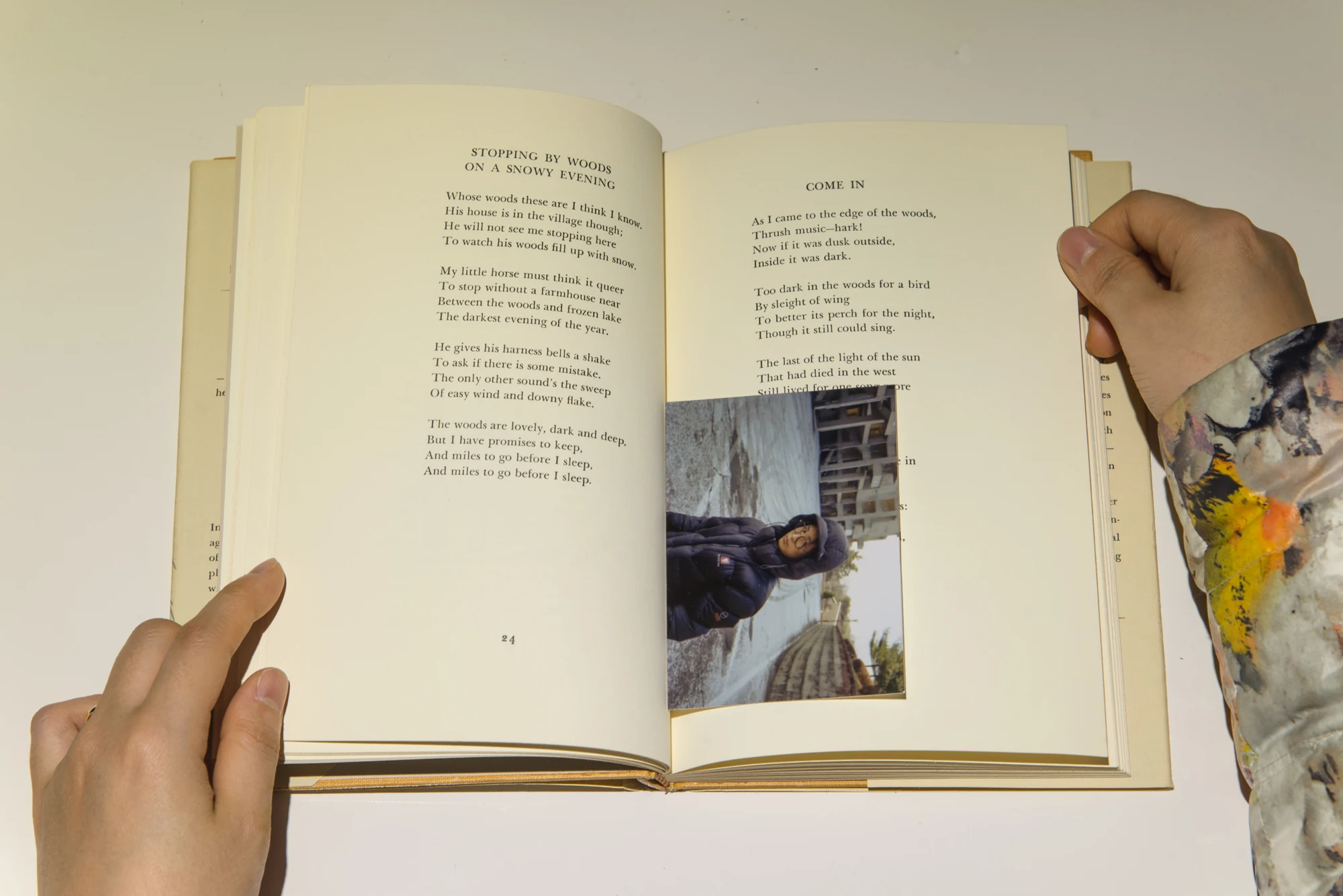
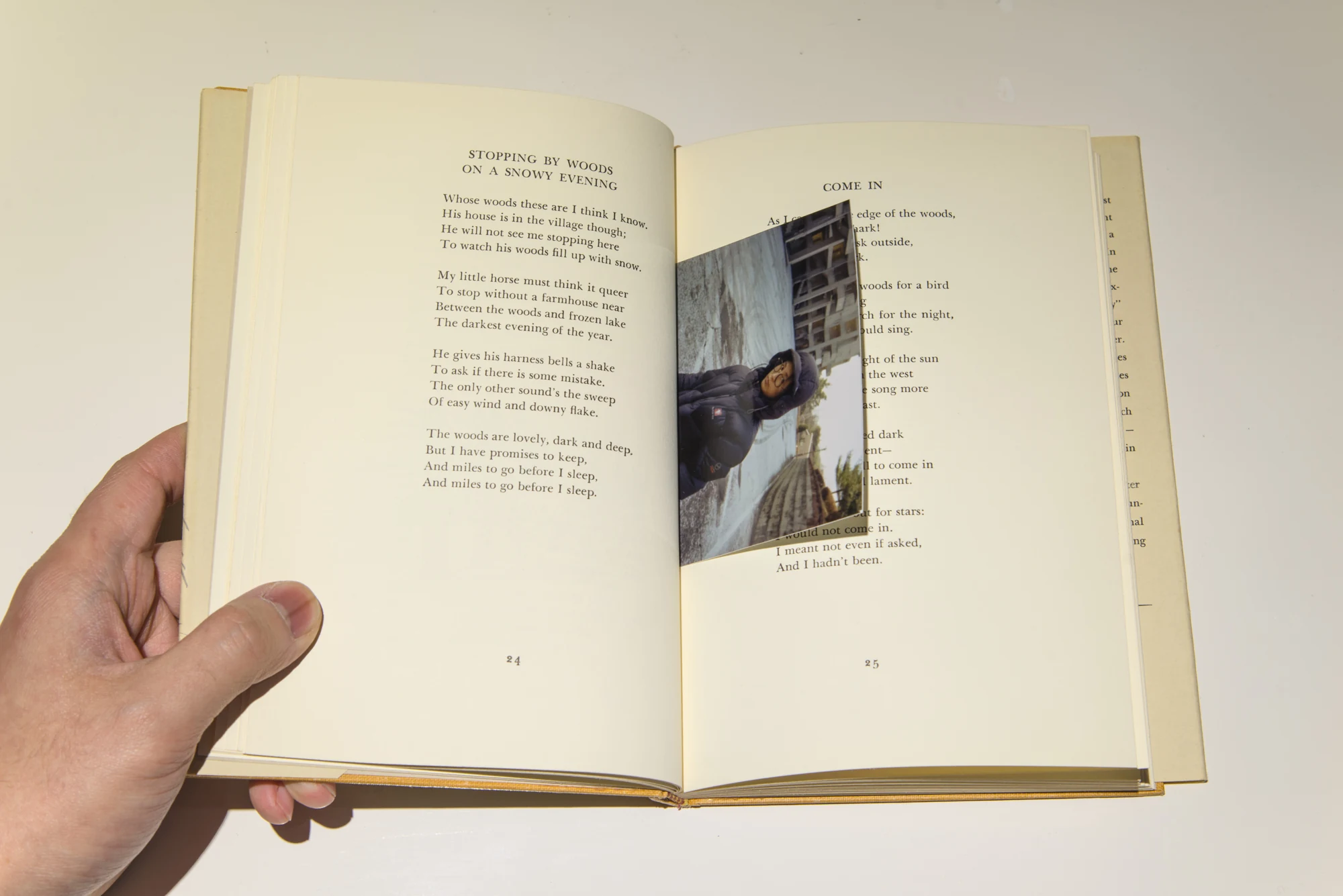
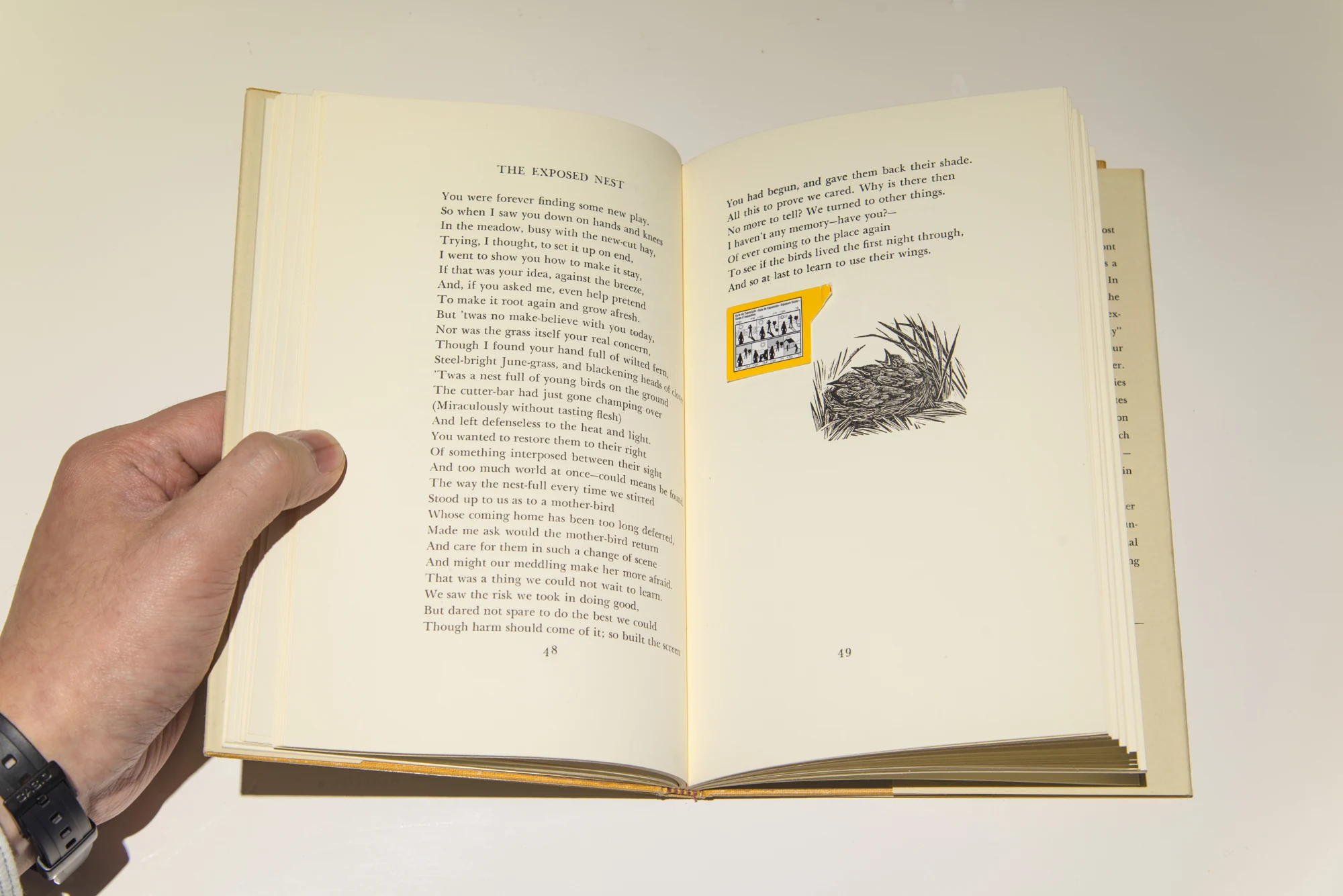
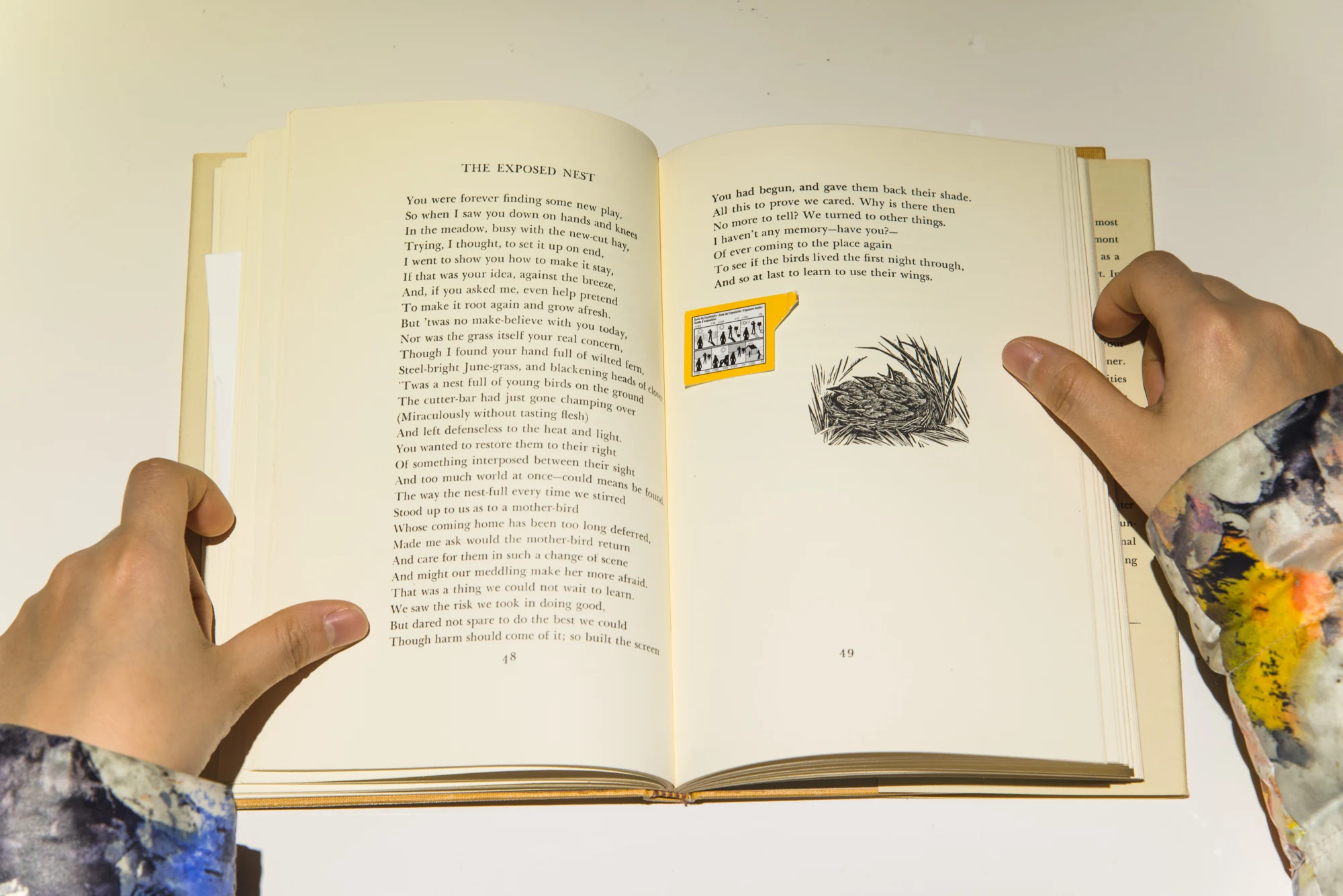
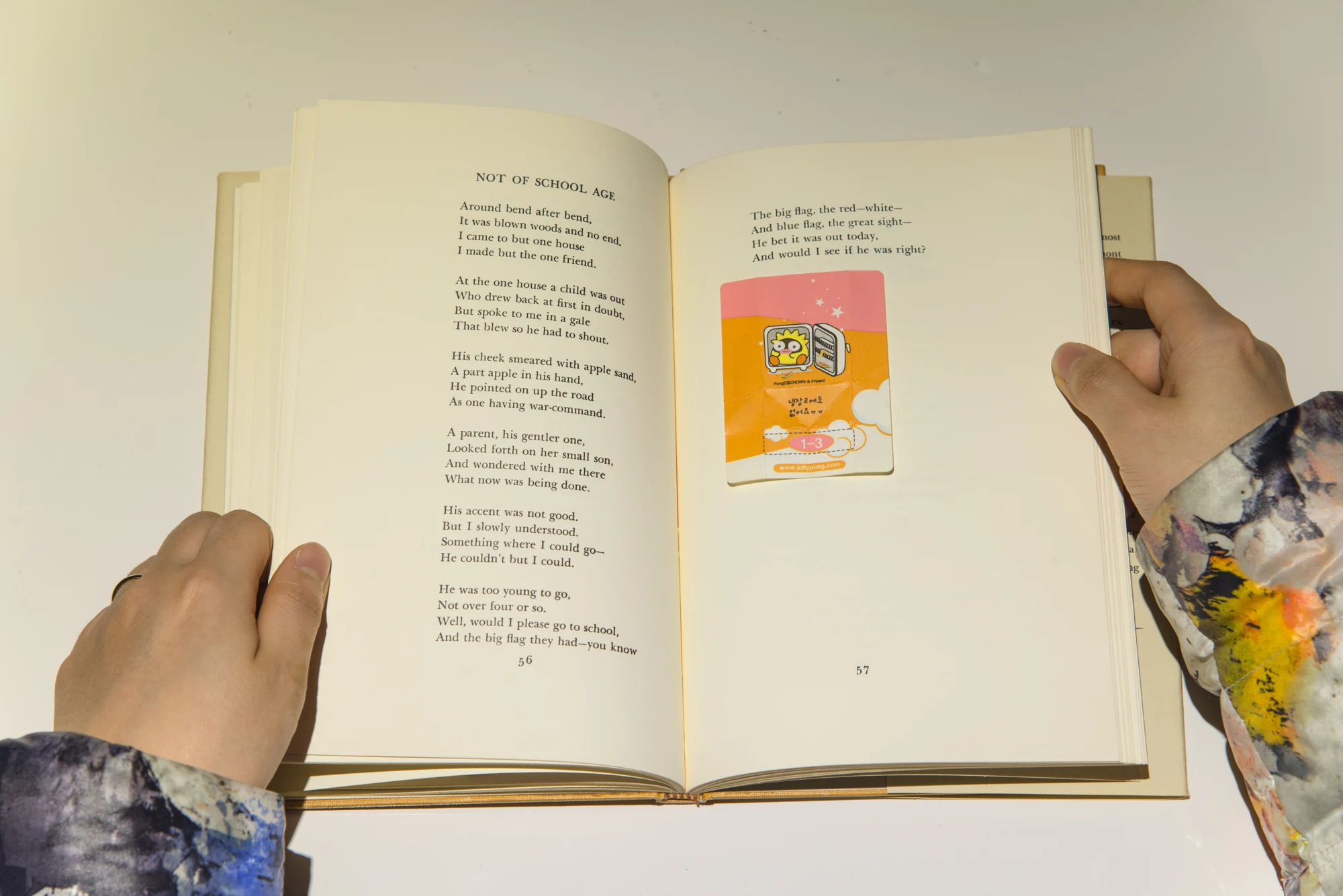
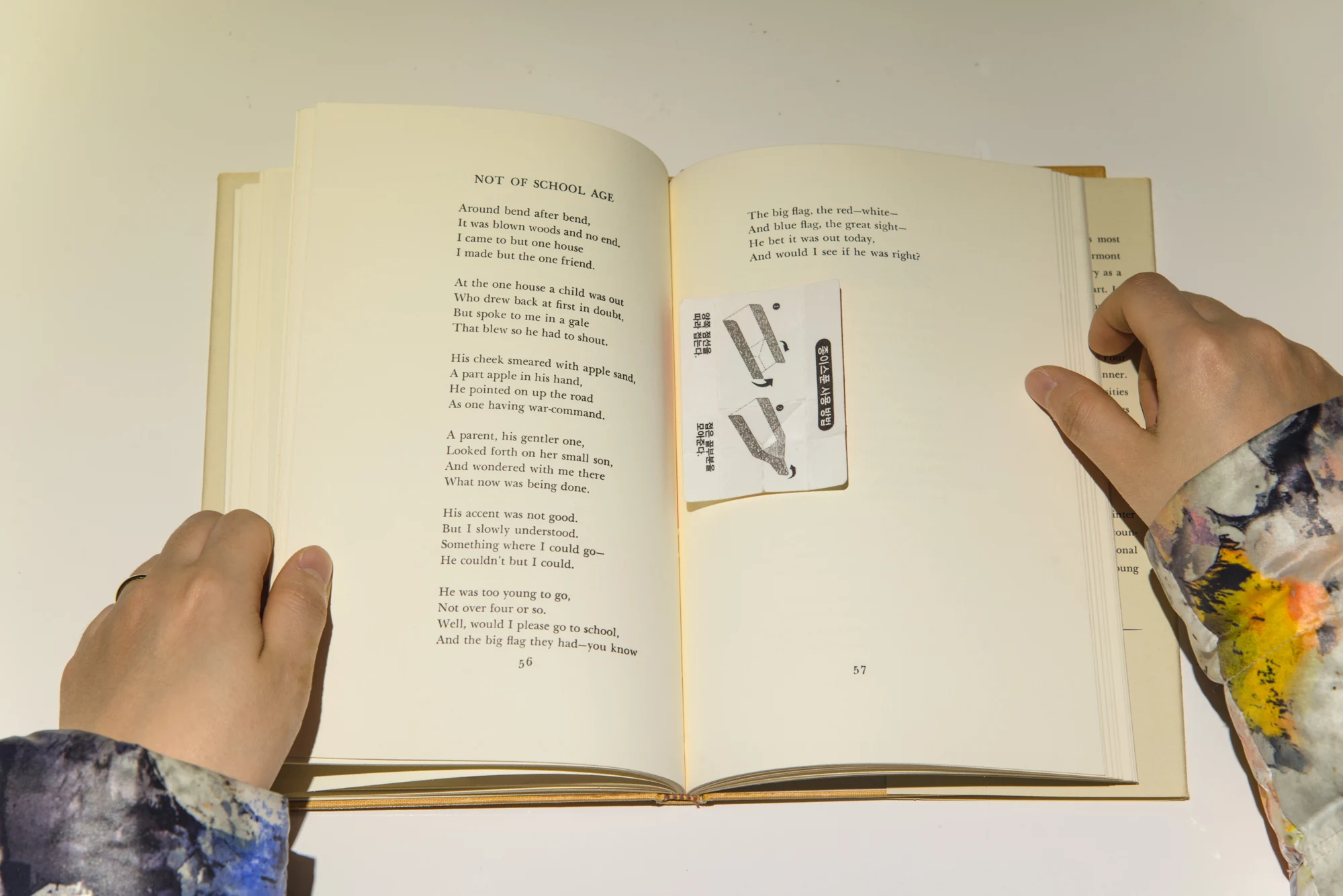
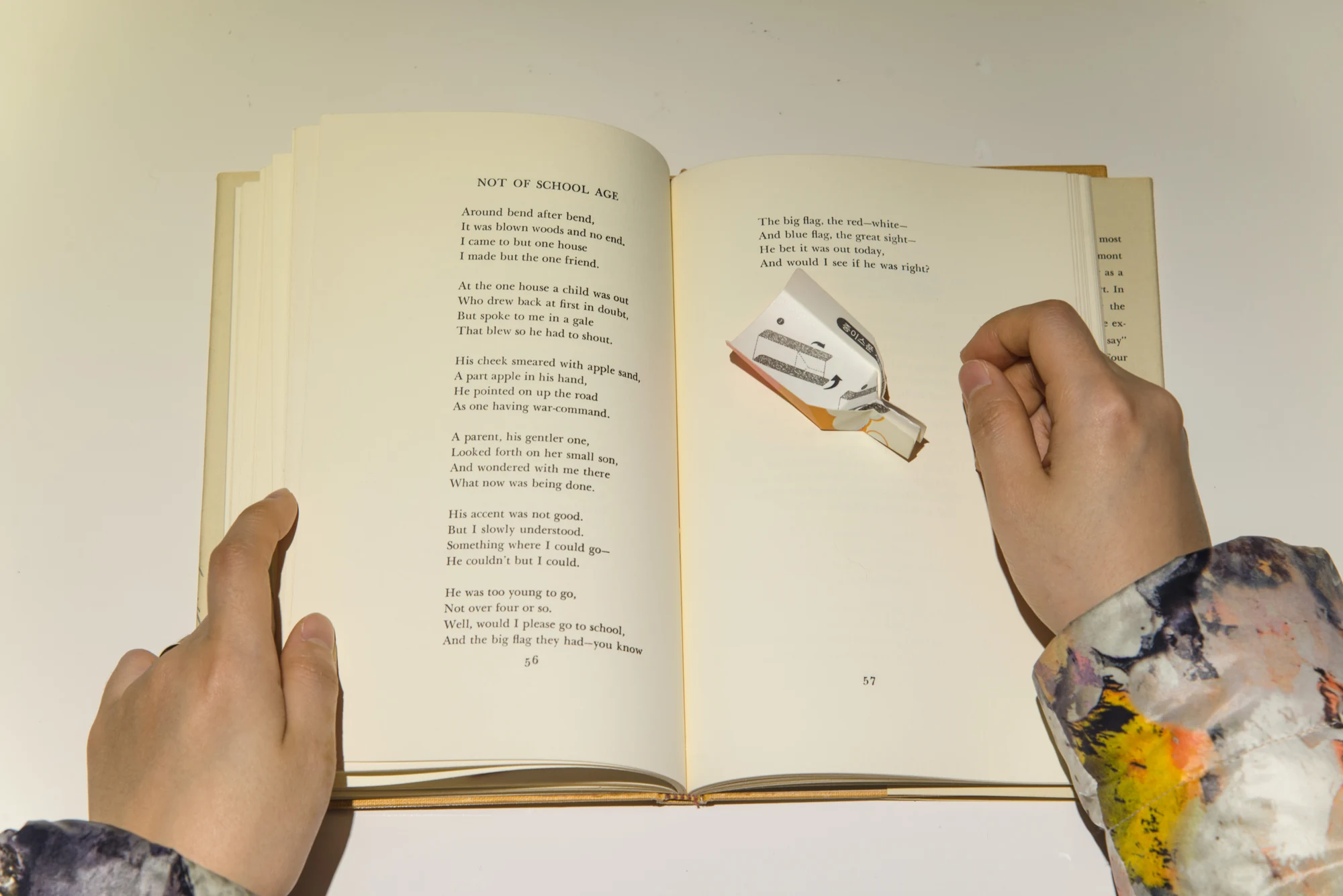
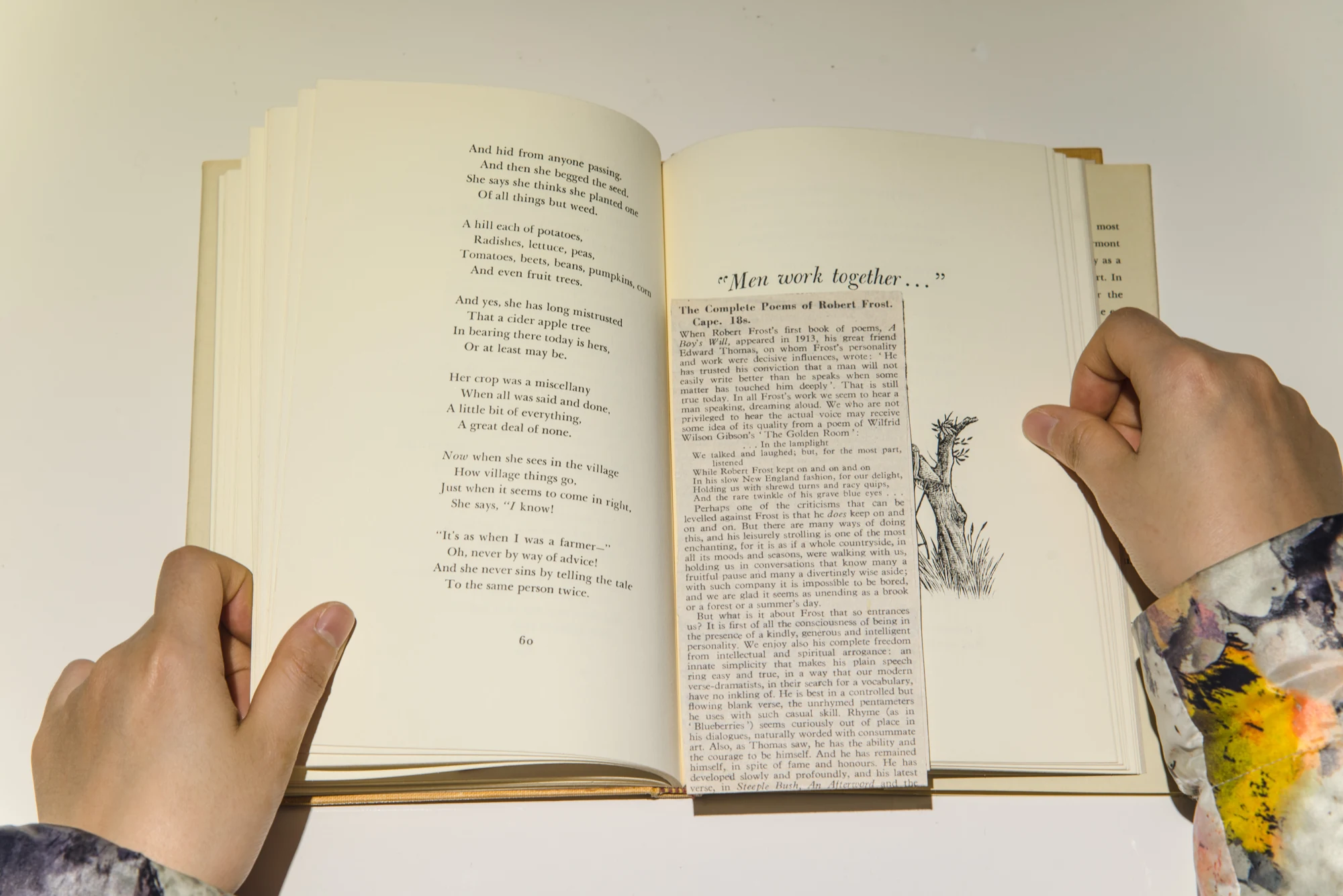
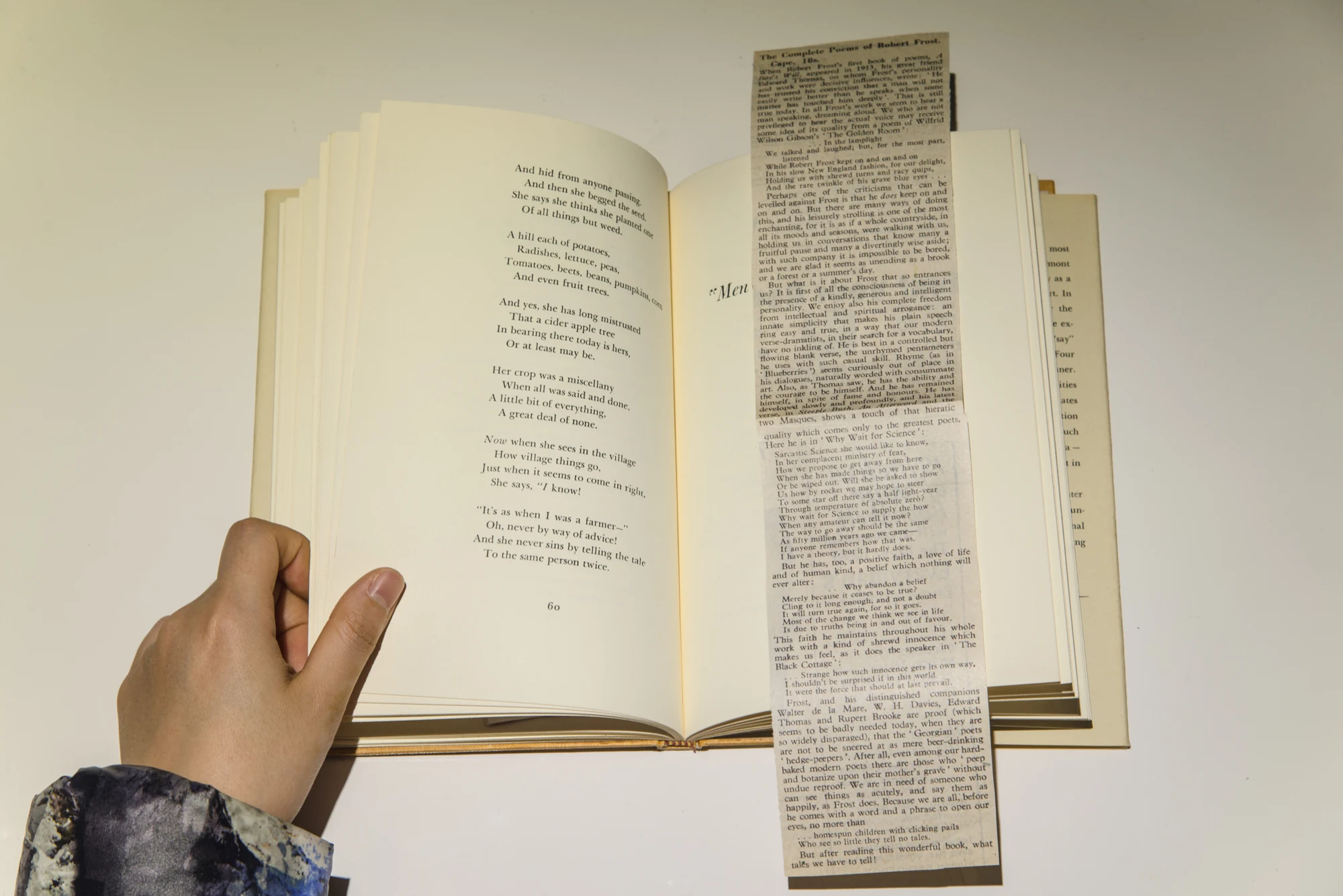
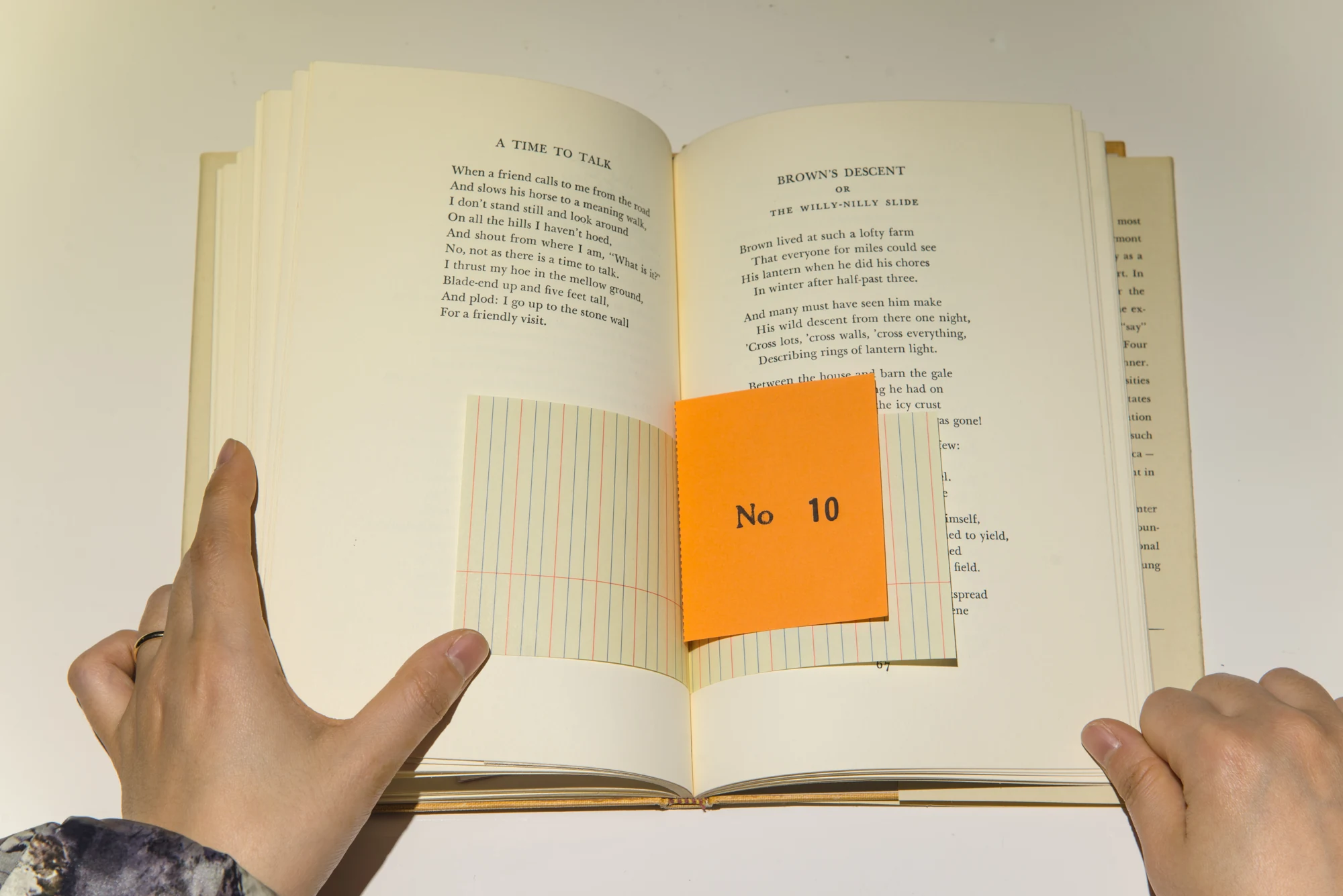
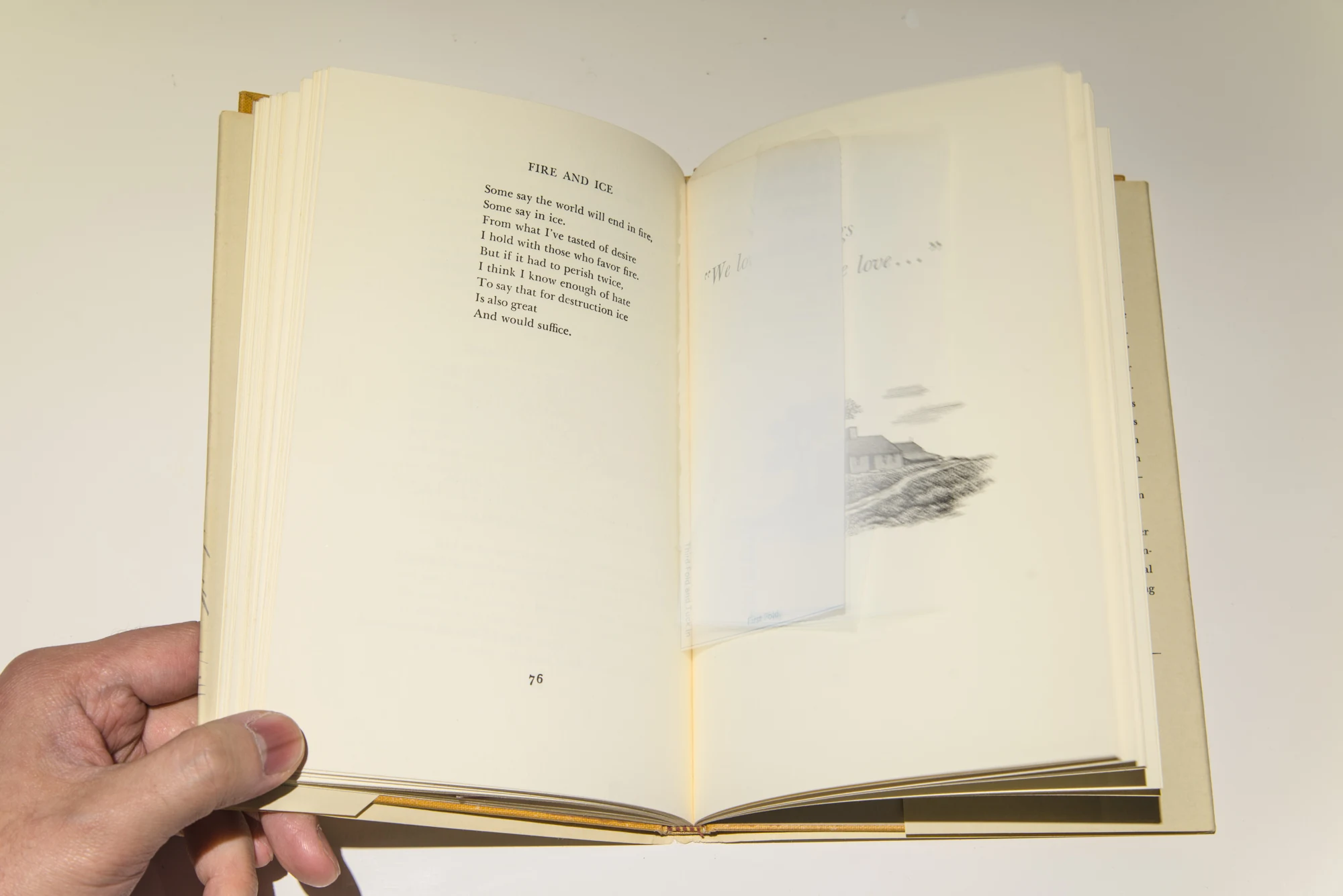
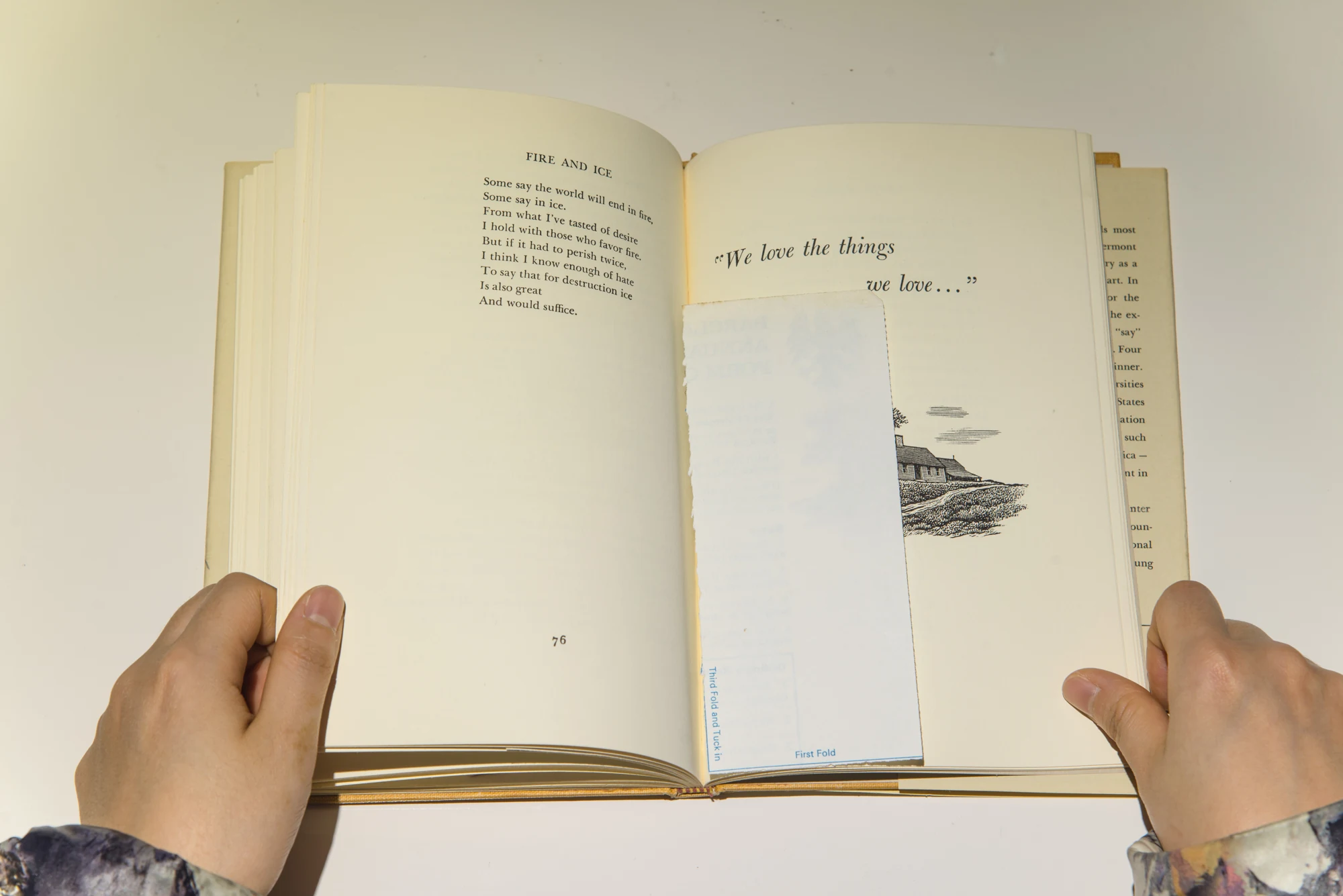
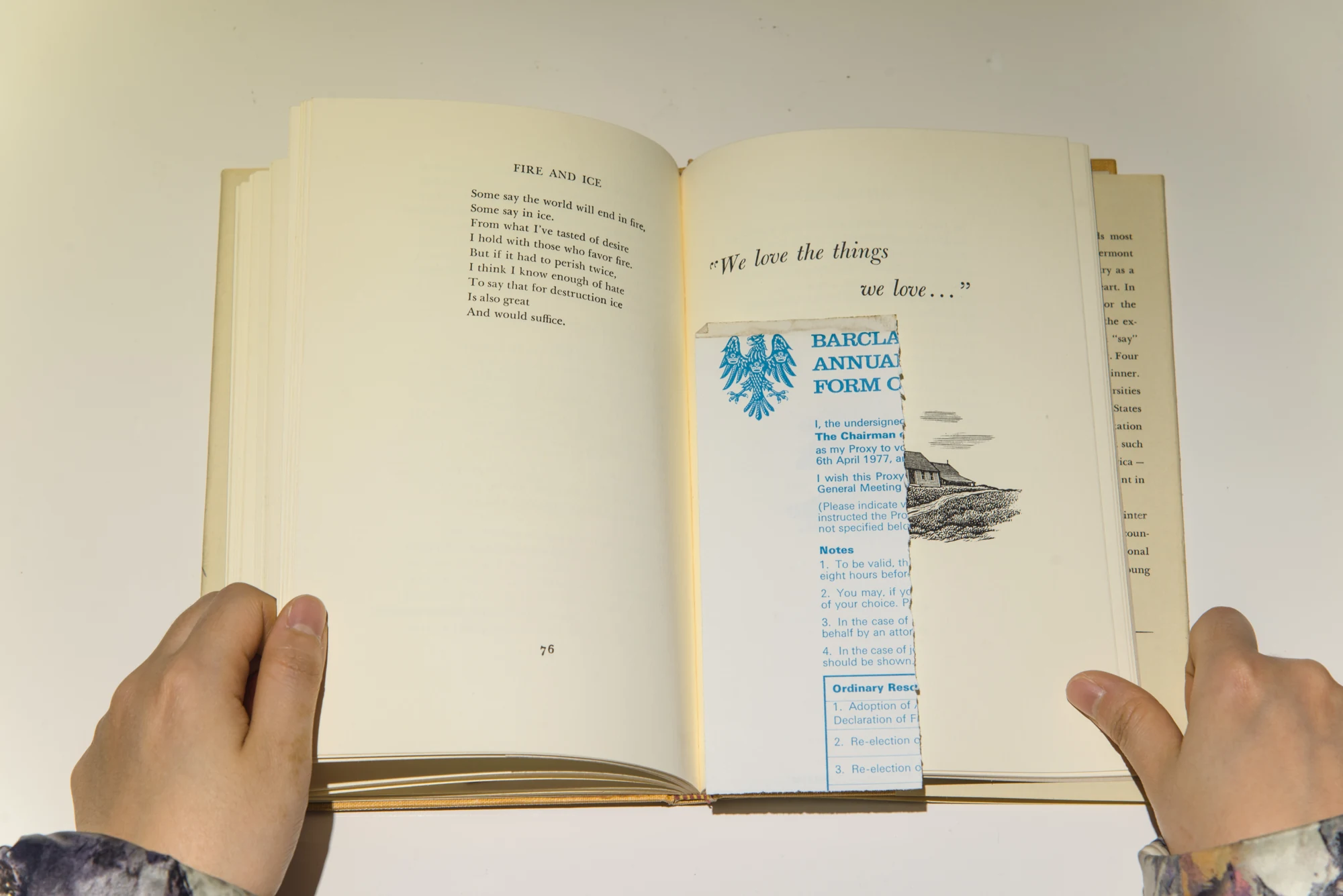
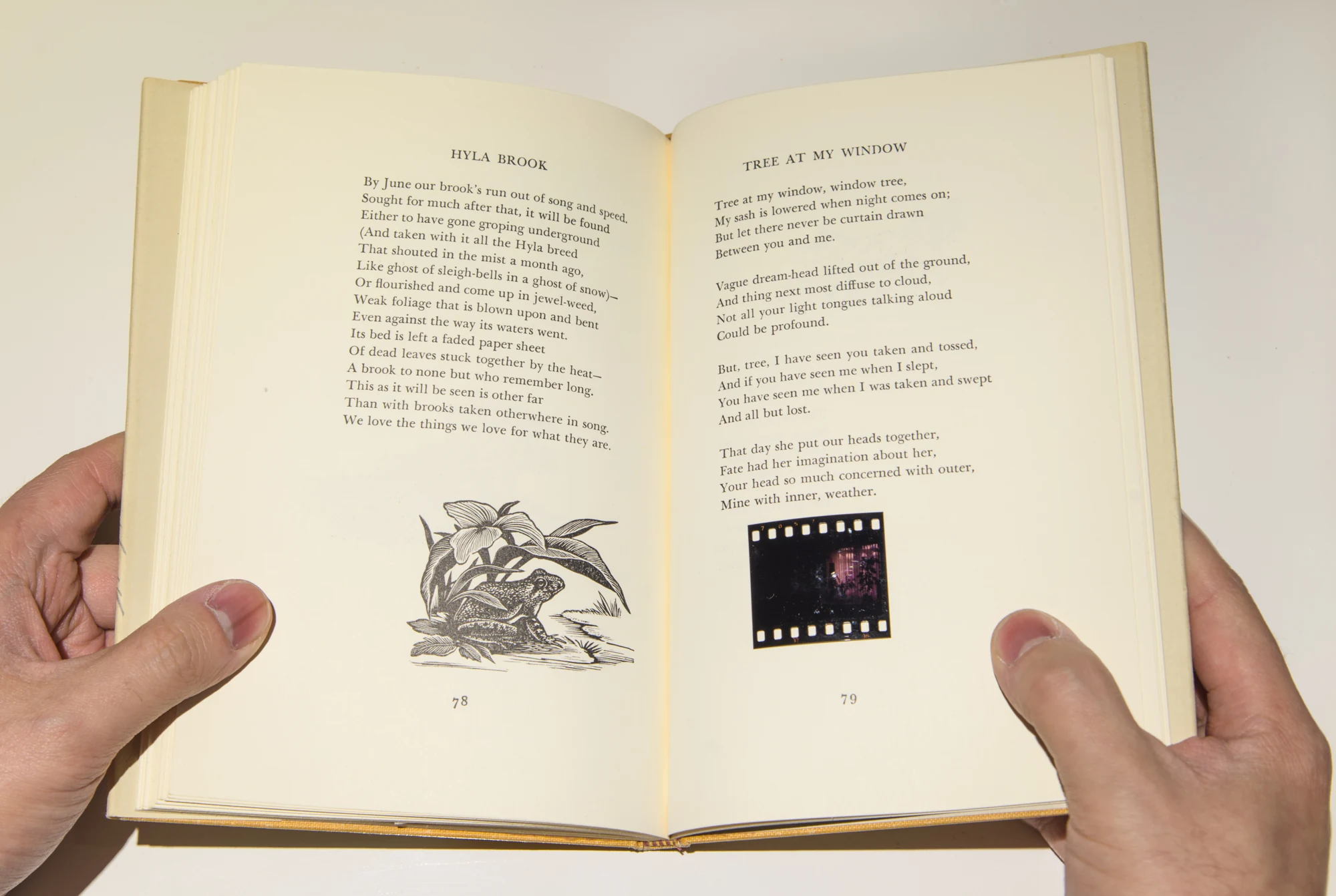
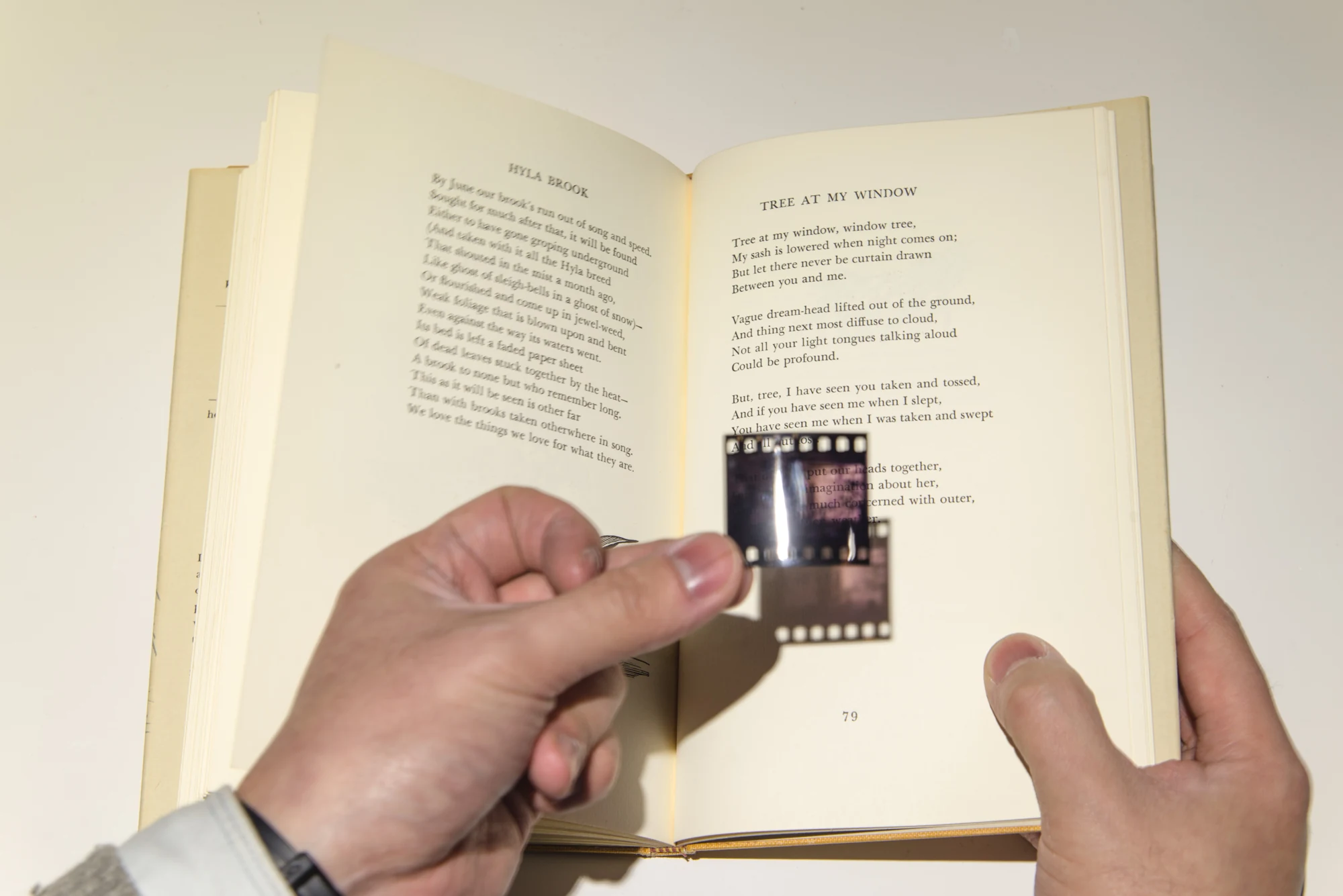
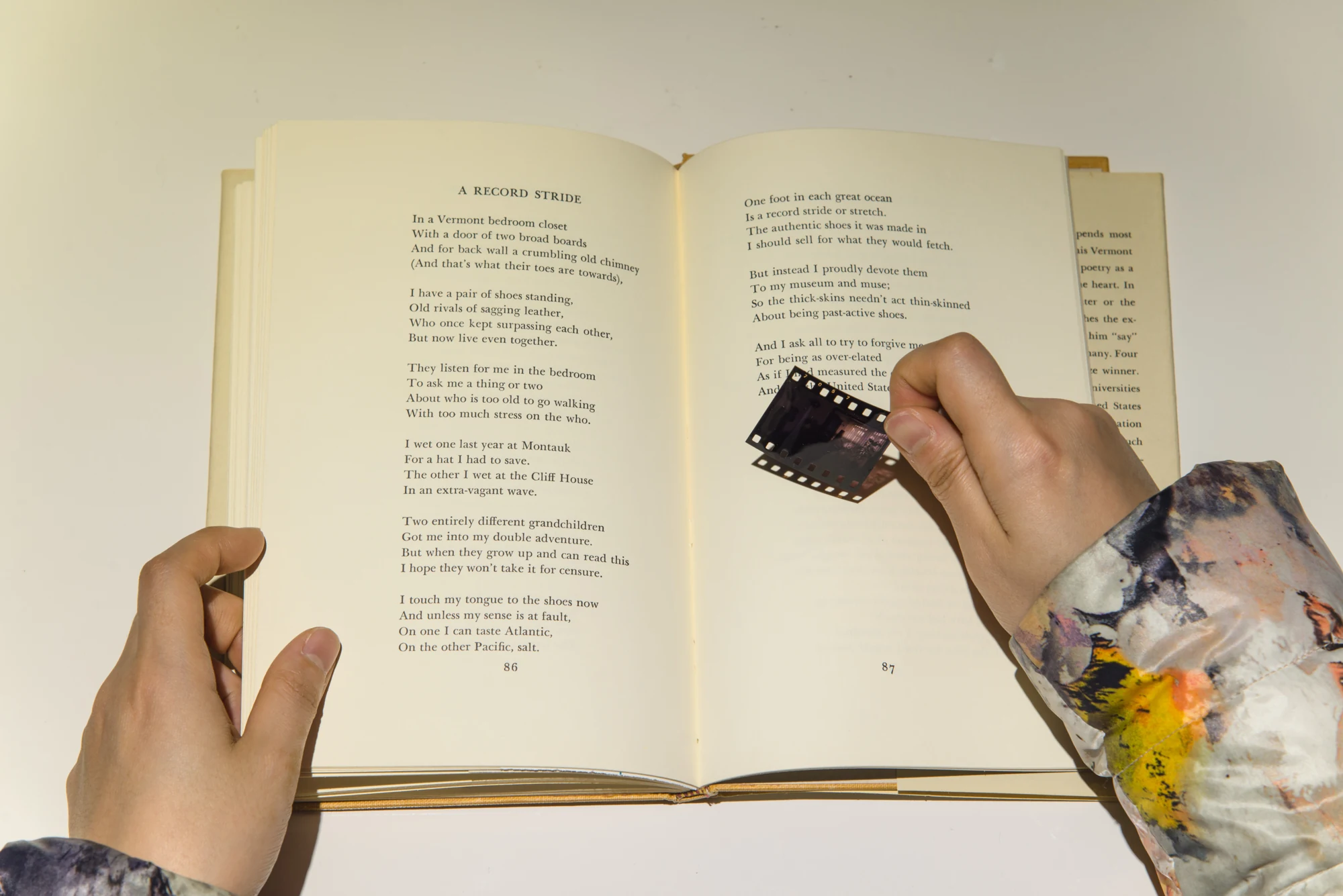
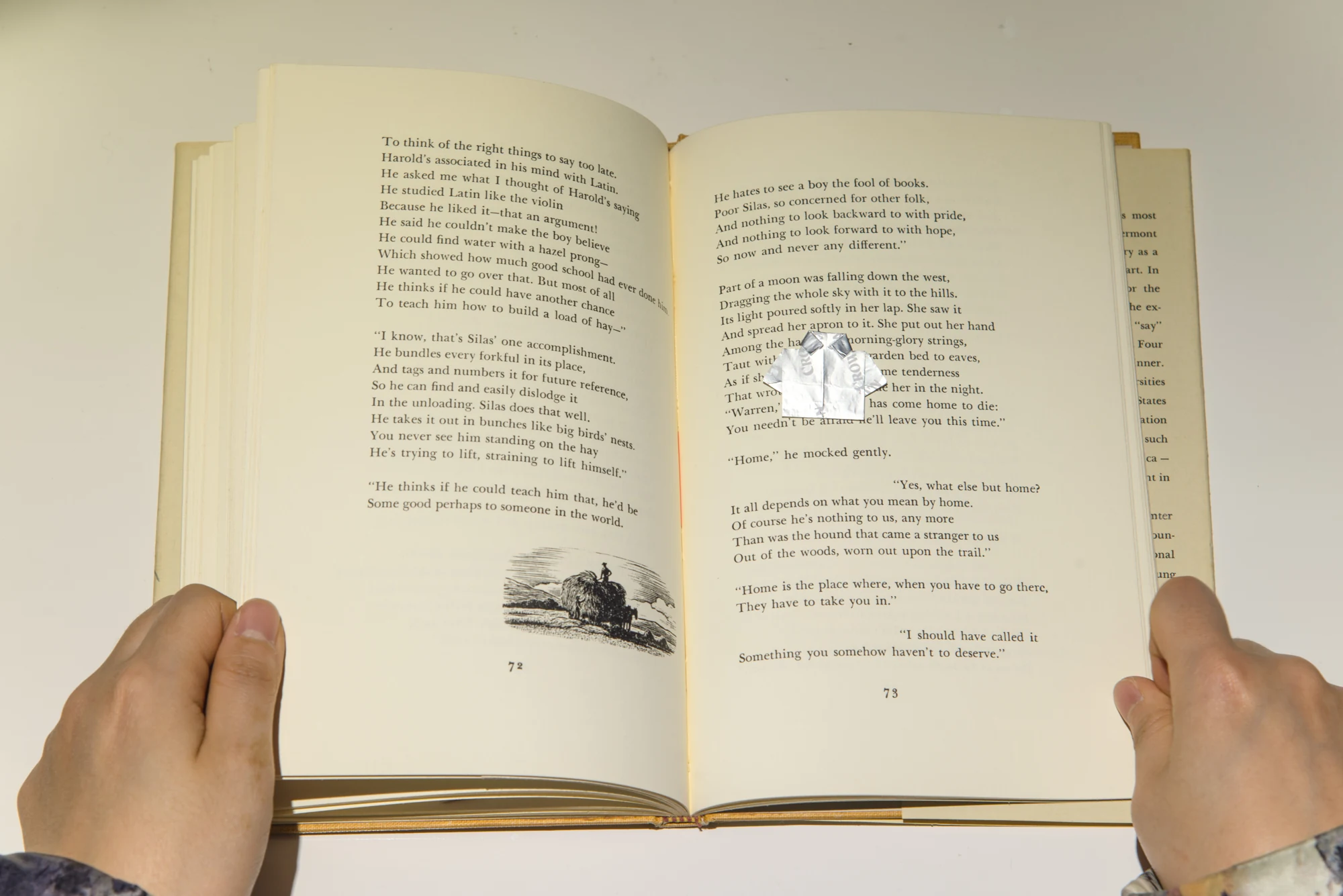
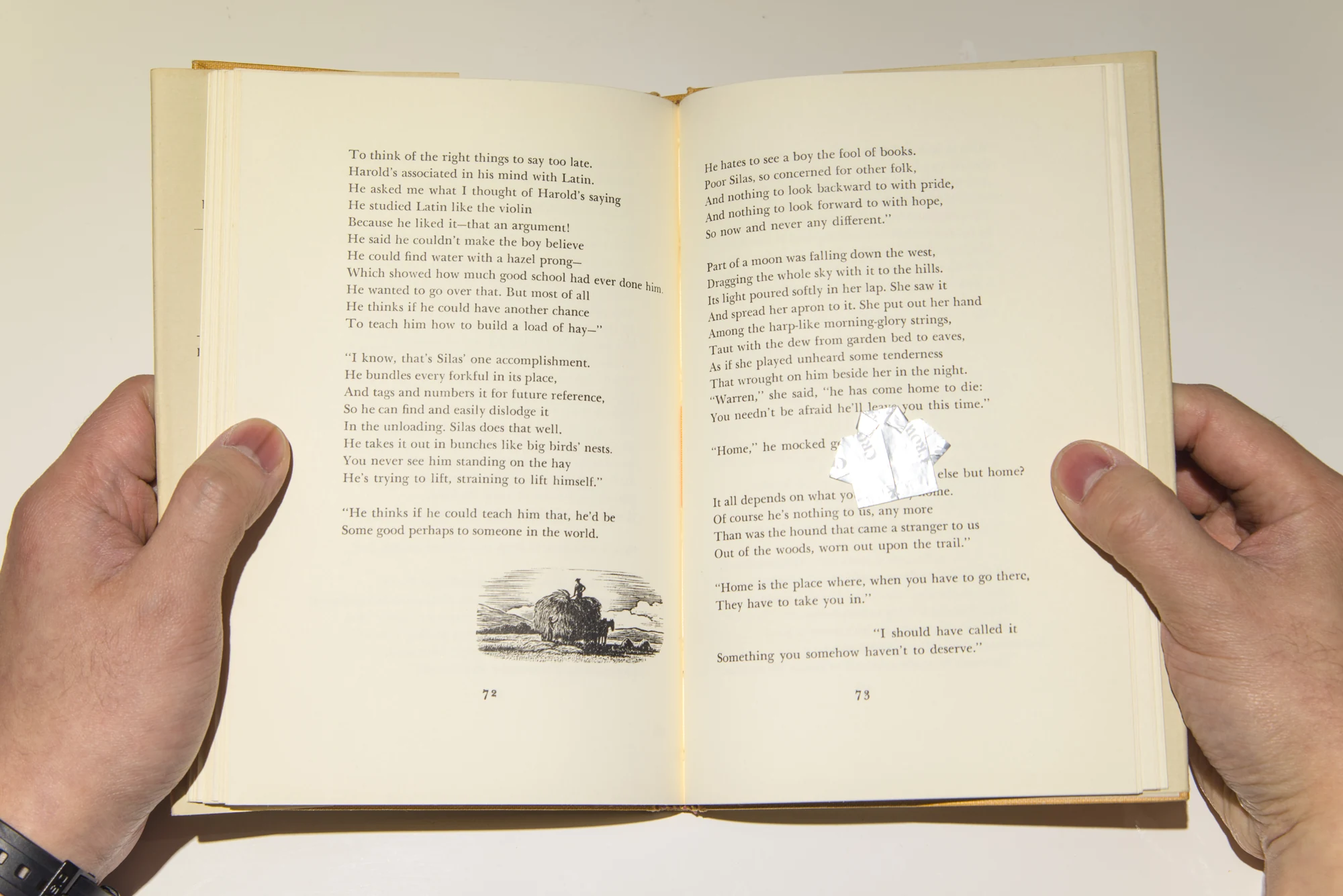
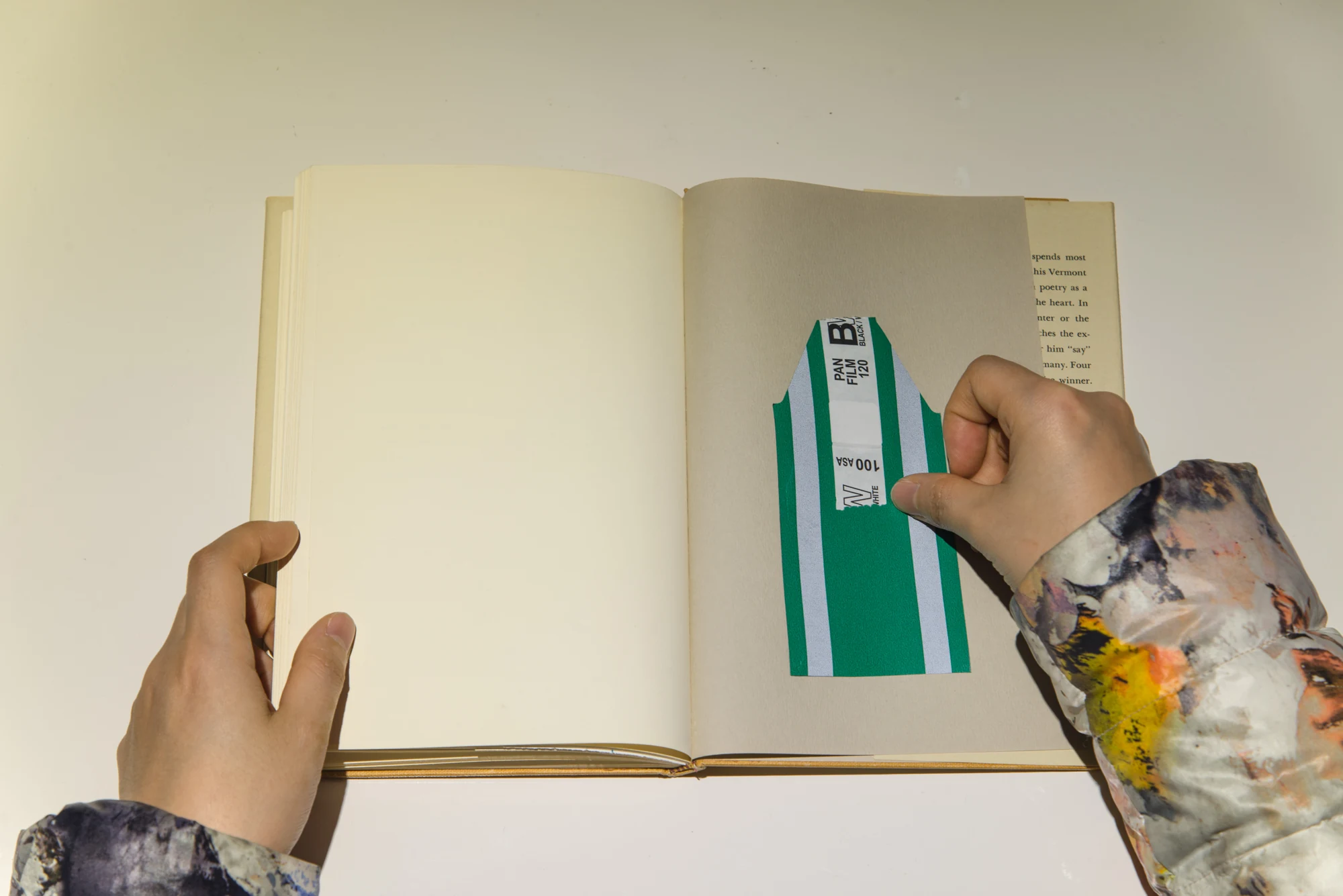
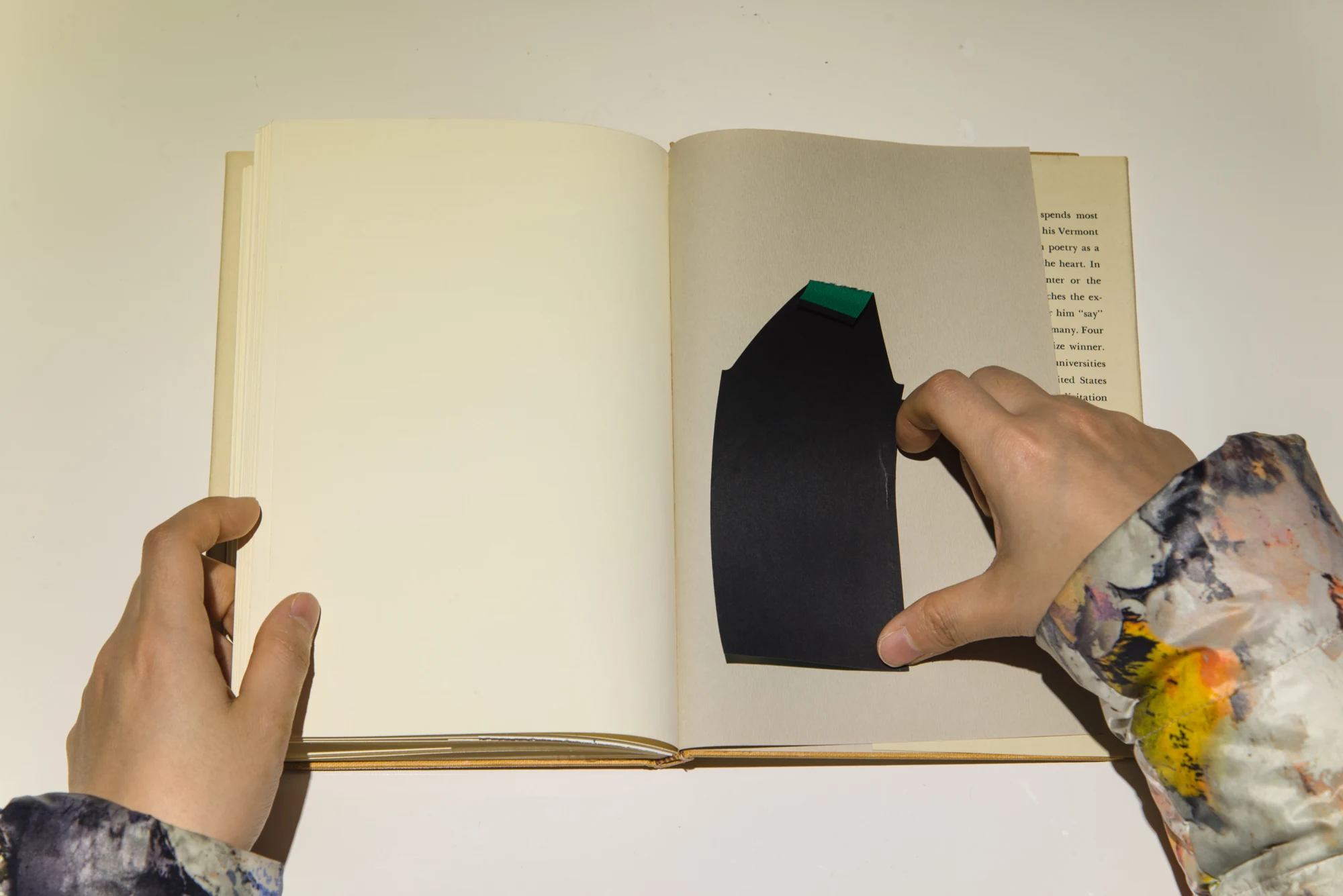
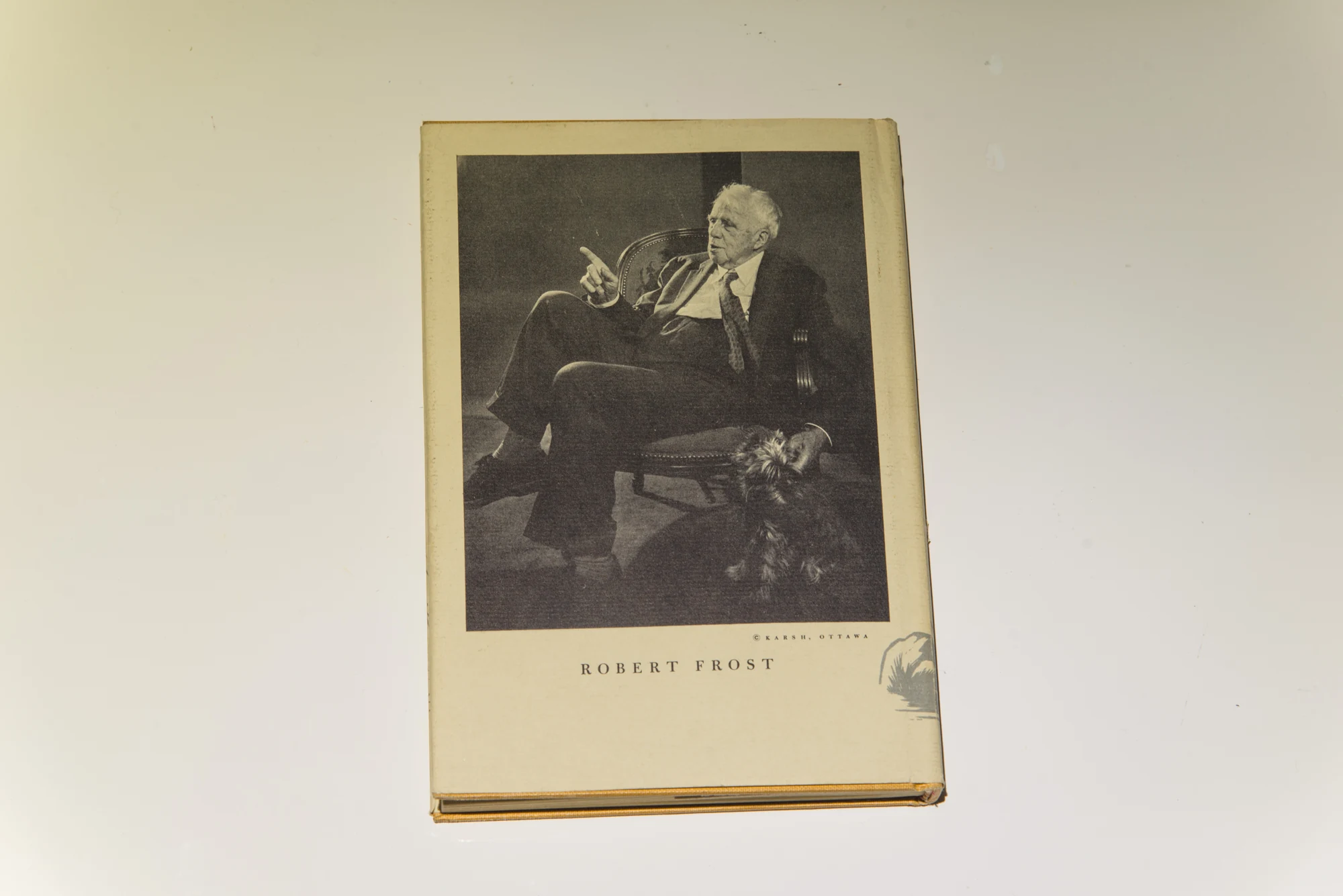
Mixed media tucked in You Come Too, 21.1 cm x 14.5 cm x 1.8 cm, 2018
《你也來》 書中混合媒介, 21.1 厘米 x 14.5 厘米 x 1.8 厘米, 2018