Submission Form: https://goo.gl/forms/rTgr9PsC3CpKVtaH2
Submission Form: https://goo.gl/forms/rTgr9PsC3CpKVtaH2
Exhibited at 12th Taehwa River International Eco Art Festival, Ulsan, Korea
30 Aug – 9 Sep 2018
LED Display Panel, Metal Stand
250 cm x 103 cm x 10 cm
2018
Ulsan One Minute is an athletic competition. On contrary to a typical sports game, one does not win by being the fastest, the highest nor the strongest. The slowest wins. This simple game asks anyone being in Ulsan to count faithfully one minute in their mind without looking at any clock. The counted duration is measured by a timer – a stopwatch, a smartphone or a digital watch. The measured duration should be accurate to two decimal places. The data of each participant are collected and ranked from the slowest to the fastest before the start of the festival. It would be made up to maximum 1440 personal minutes thus a different length of a day. A public clock is installed in the Taehwa River Park and presents these personal times and paces belonging to the people in Ulsan. It also works as a reminder to pay attention and reconsider the value of time and success.


1959年,馬克•羅思科接受了紐約四季酒店餐廳的一項創作委約。「我希望能畫點甚麼,使在這裏吃飯的混蛋們都倒胃口。」羅思科這話聽起來可是戲劇性十足,但他終告失敗,還把錢退了回去,因為他發現「人們如今甚麼都可以承受得住。」我很好奇自己在這家高級餐廳中能做些甚麼,同時回應是次展覽的主題。
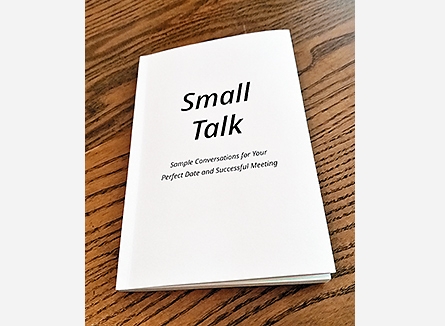
《老細請》邀請餐廳顧客探索放在吧檯上的飲品單。顧客從一列充滿戲劇性的指令中選取一項並將其表演出來,便可贏得一杯免費飲品。《神秘顧客》是一份由專業的神秘顧客受邀撰寫的報告。在與藝術家討論之後,一位神秘顧客將會悄悄到訪都爹利會館出席展覽開幕酒會,進行評價。這份評價報告會以商業標準去評估此次「藝術在餐廳」的體驗。《對白設計書》是咖啡桌上一本小巧的書,顧客們可以在享用飲品或與友伴閒聊時瀏覽閱讀。這本書並沒有美麗精緻和色彩繽紛的圖片,而是記載預先寫好的設計對白,幫助顧客在語塞之時可以照本直讀。《請慢用!》則是一個再現場景,描寫正在香港發生的「麥難民」現象以及相關問題。
香港都爹利會館
2018年8月2日至9月23日
老細請, 2018
夾在酒吧飲品餐牌內的便條
19 厘米 x 9 厘米
神秘訪客, 2018
紙上數碼打印
67 厘米 × 47 厘米
對白設計書, 2018
藝術家書籍
15 厘米 × 10 厘米 × 1.5 厘米, 100 頁
請慢用, 2018
混合媒體
衣物, 人體模型, 塑膠食物模型
尺寸可變
In 1959, Mark Rothko accepted a commission from Four Seasons restaurant in New York City. “I hope to paint something that will ruin the appetite of every son of a bitch who ever eats in that room”. Sounds dramatic enough, but he failed and returned the money because he found that ‘people can stand anything these days’. I was curious about what I could do in a high-end restaurant, while contributing to the context of this exhibition.
On the House invites visitors to discover a drink menu on the bar table. Visitors choose from a list of dramatic instructions and perform to get a complimentary drink. Mystery Visitor is a commissioned report written by a professional mystery shopper. After discussion with the artist, a scenario is created and the mystery shopper pays a secret visit during the exhibition opening reception. The evaluation assesses the experience of the art exhibition held in the restaurant through common business concerns. Small Talk is a small coffee-table book that visitors can flip through while having a drink and chatting with their peers. Instead of beautiful and colorful pictures, this book collects pre-written dialogues ( offered for the visitors to act out when they run out of words. Enjoy Your Meal! is a scene recreated to depict the McRefugee phenomenon and related issues happening in Hong Kong.
Duddell’s, Hong Kong
2 Aug – 23 Sep 2018
On the House, 2018
Note tucked in drink menu at the bar
19 cm x 9 cm
Mystery Visitor, 2018
Digital print on paper
67 cm × 47 cm
Small Talk, 2018
Artist’s book
15 cm × 10 cm × 1.5 cm, 100 pages
Enjoy Your Meal!, 2018
Clothing, dummy, plastic food model
Dimension variable


(left): Small Talk | (左):《對白設計書》
(right): On the House | (右):《老細請》


Dining Table Book | 《對白設計書》

Dining Table Book | 《對白設計書》

Enjoy Your Meal! | 《請慢用!》

Enjoy Your Meal! | 《請慢用!》

Enjoy Your Meal! (detail) | 《請慢用!》(局部)

Enjoy Your Meal! (Opening Reception) | 《請慢用!》(開幕酒會)
Photos courtesy of the artist and Duddell’s Hong Kong
Media. 立場新聞
Date. 2018-08-09
Text. 曾家輝

早幾天到了在中環都爹利街的都爹利會館(Duddell’s),是米芝蓮星級食肆,又是藝術空間,筆者是衝著剛開幕的群展「在眾神失語的日子」(The Day the Gods Stop Laughing)(展期至9月23日),也幻想著在那麼高檔的地方,學著高檔人士,吃高檔食物,度過高檔的時光。
這次展覽由北京策展人富源策劃,在這已甚富設計感的地方展示了陳泳因(Doreen Chan)、陳沁昕(Tap Chan)、葉慧、方琛宇(Silas Fong)等四位藝術家特別為這次展覽及地方而創作的作品。
在一個如此的星級食肆暨藝術空間看展覽,究竟是怎樣的一回事,會否好像展覽一般,連神也失語那麼富宗教、哲學及矛盾味道呢,是失語,不是無語,連神也無法理解語言內容、無力或清楚發音、錯誤配詞、命名障礙等等,真是奇怪又特別,本來神已是應該超越凡人語言的限制,但衪們也失語時,將這種想像放在這位於中環的食肆中,好像是為充滿了市場物欲,又有一種城市美學的氛圍中,增添了一絲荒謬滑稽的聯想。
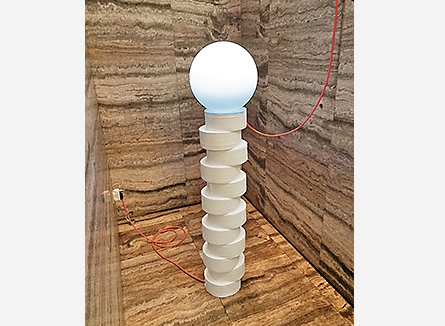
走了一圈,藝術家彷彿是在那裡的不同地方,從在樓梯、會客廳到藏書閣,製作了好幾個有故事或背景的場景——走出升降機,看到接待處,走上樓梯才到上一層的食肆及藝術空間,原來在螺旋型的樓板位置已放置了本地藝術家陳泳因的作品《他安然無恙》,以燈球、環保袋、廁紙、電線等創作成的他和她的故事,她不在了,但他如常在這裡,如常無恙;走了上去,可看到在香港及首爾居住及工作的本地藝術家方琛宇的一組作品:《老細請》、《神秘顧客》、《對白設計書》及《請慢用》,當中涉及行為表演、裝置等不同的藝術形式,從觀眾可以做出特定的動作而獲得一杯免費飲料,到伏在桌上的塑膠模型,在這空間中進行一連串的批判,批判的是在餐廳中搞展覽,到「麥難民」現象的出現;旁邊有本地藝術家陳沁昕的《糾纏》,受到Stanley Kubrick的電影所啟發,好像是在七彩繽紛的彩虹光影下,有一對如瀑布的畫;另外還有來自廣州的葉慧的《等候室》,在不同位置放了一些藍牙音箱,播出三位原型來自三件不同年代及地方的兇殺案女主人翁的聲音片段,包括美國鳳凰城的的Angela Simpson,奧地利的Gertraud Arzberger,以及香港的李鳳鳴。
當大家走進餐廳,經過不同地方走到自己的座位,又或和朋友在示同位置閒聊談天,又或坐著吃美食的時候,看到或聽到幾位藝術家的作品,不知有甚麼感覺,不知作品當中的隱含的故事,又或那些批判、矛盾、衝突等,在這如此高度有設計感的地方,又是這星級餐廳中,不知一眾食客們是如何邊享受人生,邊被藝術品啟發呢,尤其是葉慧的作品,當食客們突然聽到一些女性的聲音片段,原來是充滿了暴力、衝突、不幸的,希望他們不會投訴啦。
四組不同風格的作品,以不同方式介入食客的消費行為和餐廳本身的既有環境設定,筆者自己最喜歡那份衝突及批判,是在這地方舉行藝術展覽的最大價值。幻想著在那麼高檔的地方,學著高檔人士,吃高檔食物,度過高檔的時光,不知道那些人當那份衝突及批判是甚麼呢……
筆者並非要說甚麼大道理,只是有時候看得多,有所感受而已。
Media. 信報財經新聞
Date. 2018-08-09
Text. 卡夫卡
位於中環的都爹利會館,向來把食物與藝術融為一體。藝術品放在餐廳不同角落,老闆羅揚傑笑言,前提只要不影響食慾就可以!最新的藝術聯展《眾神失語的日子》,其中一名香港藝術家方琛宇(Silas Fong)更設計了一個遊戲,大家若參與這個「行為藝術」,更有可能獲得免費飲品一杯。
這個「行為藝術」有多個項目可選擇,你只要「表演」其中一項,就能獲得免費飲品一杯。項目「餐單」設計得像普通餐單一樣,可選擇的表演,包括:扮自己是一個盛會的主持人,當眾敲杯,然後發表祝酒詞;另一個是你在場內哭泣,直至有人走來慰問你等等。而「最容易」的一項,卡記認為是這個——你可向餐廳內的職員講笑話,直至引到他們發笑,你就能成功得到這杯飲品。這杯飲品為雞尾酒,每天限定2杯,先到先得,價錢沒有限制。
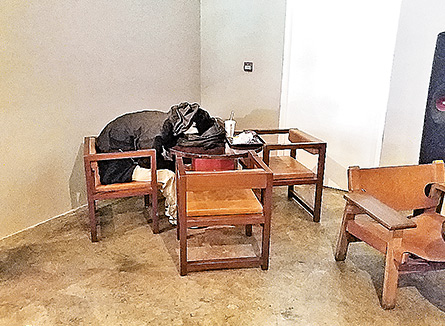
此外,方琛宇亦在餐廳角落安置了一組影射「麥難民」的裝置作品。現場只見一個像真人般大小的膠公仔,像十分倦怠地伏在桌面上,前面是薯條、汽水和托盤。方琛宇說,這個作品,只適合放在這間高級餐廳才收到效果,因有着對比的作用。
的確,要過「麥難民」生活的基層市民,除了來中環的高級餐廳打工外,大概無可能在這兒消費,更遑論睡覺。即使這兒的空間較麥記更大,也更舒適。
廢話對話
方琛宇在這兒的第三組作品是兩本名為Small Talk的小書,隨意放在梳化座位上,大家見到就可以拿來讀,那是一本寫了多種談話內容的小書,假如你跟朋友剛好沒有話題了,裏面有廢話、不太禮貌的說話或其他用來防止dead air的對話。例如這句「What do you think about this place?」(你對這地方的想法是?)回應則為「It is very interesting」(這兒很有趣)。
不知從何時開始,「Interesting」變得可圈可點,不想讚美但又不想表達負面意見時就說「Interesting」。廣東話亦不知從何時開始有這個用法,叫做「得意」,如果你送出一份禮物,別人回應你「幾得意喎」可能代表對方不喜歡。
另一句設計對白是「Where are you from originally?」(你由哪裏來?意謂你的祖籍是哪裏?),回應則為「I’m from my mother’s womb」(我由母親的子宮而來),這個回應明顯就是不想回應了吧!方琛宇說,在外國這樣問別人很不禮貌,「我由哪裏來」與我們的聊天內容有何關係呢。
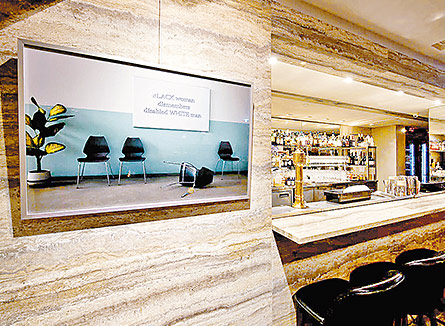
此外,同場還有另一組創作來自廣州的藝術家葉慧,她目前在維也納定居。葉慧的作品常從罪案現場得到靈感。是次她透過聲音裝置呈現廣播劇,內容原型取材於三個不同時空兇殺案的「女兇手」,對話內容遍布會客廳的各個角落。
罪案靈感
此外,牆上有一幅攝影作品,靈感來自美國一宗兇殺案,一名黑人妓女殺了一個白人警方線人,理由是她認為他威脅到她們行業的生存。葉慧認為,社會在一些女殺男的兇案,一面倒同情女性。她覺得很奇怪,因為女性是健全的人,也是獨立的人,她們應該承擔其殺人的後果。
展覽由即日至9月23日在都爹利會館四樓舉行。
Mixed media tucked in You Come Too, 21.1 cm x 14.5 cm x 1.8 cm, 2018
《你也來》 書中混合媒介, 21.1 厘米 x 14.5 厘米 x 1.8 厘米, 2018


List of Publications
Vocabulary: Understanding Your Art Professor and Make Life Easier. Seoul, 2019, pp. 1-48.
Small Talk: Sample Conversations for Your Perfect Date and Successful Meeting. Hong Kong, 2018, pp. 1-100.
Stopping By Woods On A Snowy Evening. Hong Kong Arts Development Council, Hong Kong, 2018, pp. 1-40.
Silas Fong: Works 2008-2016. Hong Kong Arts Development Council, Hong Kong, 2016, pp. 1-76.
20 Years of Goethe Gallery. Goethe Institut Hongkong, 2016, pp. 22-23.
POST PIXEL. Animamix Biennale. Exh. cat. Leisure and Cultural Services Department, Government of
Hong Kong SAR, 2016, pp. 24-27.
Timesheets. Artist book comissioned by Oil Street Art Space, Hong Kong, 2016, pp. 1-80.
Piccoloministr. 316. Exh. cat. Goethe Institut Hongkong, Hong Kong, 2016, pp. 1-16.
Time Test: International Video Art Research Exhibition. Exh. cat. CAFA Art Museum, Beijing, 2016, pp. 236.
Silas Fong: Sitcom. Exh. cat. Observation Society, Guangzhou, 2012, pp. 1-16.
Hong Kong Eye: Contemporary Hong Kong Art, Skira Editore S.p.A. , Milan, 2012.
Move on Asia. Exh. cat. Alternative Space LOOP, Seoul, 2012, pp. 62-63.
Media Landscape, Zone East. Exh. cat. Alternative Space LOOP, Seoul, 2010.
This is Hong Kong: 15 Video Artists, Para/Site Art Space , Hong Kong, 2010.
Work in Spreading: Images of Circulation and Retranslation, Timezone 8, Beijing, 2010.
Text by Winnie Wong
Published on 5 Jan 2018 in M+ Stories Podium Issue 1: Visual Culture
How do the inhabitants of a city know when they have seen art? How do they know when they’ve lost it, forgotten it, or when it’s been returned? For all of its existence, Hong Kong has been regarded as a city hostile to high culture, and yet, since its founding as a port city in the mid-nineteenth century, its artists have been making art. Their work has not always been noticed; often it has been ignored. Even as the cultural and market value of art has grown greater and greater, art in Hong Kong has, counter-intuitively, been getting smaller and smaller, sometimes to the point of invisibility. Hong Kong’s contemporary art thus presents us with a unique dilemma: it manifests as a set of practices and sensibilities that evade celebration and sensationalism, and yet, more than anything, it yearns for recognition as a distinct cultural form. How can we recognise that which avoids being seen?
In the context of the Pearl River Delta (PRD) region, the seeming absence of art in Hong Kong is all the more noticeable when contrasted with its cultural cousin Guangzhou, a city with a vaunted history of defiant creativity. And indeed, even within a shared regional milieu of a self-deprecating and casual vibe, the difference between Guangzhou’s and Hong Kong’s artistic cultures is dramatic. The Guangzhou artist Lin Yilin (born 1964) experienced this first-hand in the mid-1990s when he tried to perform the same action in the public spaces of the two cities.
The first action took place in Guangzhou in 1995, when the city was just embarking on the massive urban transformation we know so well today. In the shadows of a tall building under construction, and over the course of several hours, Lin simply moved a wall of cinder blocks, carrying one block at a time, from one end of the wall to the other, across several lanes of oncoming traffic. A strenuous and extended act of urban intervention, Safely Maneuvering Across Lin He Road embodied the physicality of urban construction and the relentless routine of urban flow. Trudging at cross purposes to the oncoming traffic like a makeshift, human, and transparent Tilted Arc—the infamous public art sculpture by Richard Serra (American, born 1938) that, in 1981, bluntly divided New York’s Federal Plaza and made it impossible to traverse—Lin’s work demanded a momentary but unavoidable pause in fast urbanisation and hurried everyday life.
Months later, in early 1996, Lin had the opportunity to reperform the work in Hong Kong. This performance was entitled Drive Shaft. Lin had first hoped to move his bricks through the Hong Kong subway system, onto and off a train, from station to station. Probably knowing how unlikely it would be for the Mass Transit Railway (MTR) to permit such a disruptive action, Lin recalls that the idea was rejected by his hosts at the Hong Kong Arts Centre before permission was ever sought. As an unhappy compromise, he then proceeded to conduct the work in the pedestrian flyover near the Arts Centre in Wan Chai over the course of four days. Intending to comment on the imminent transition to mainland Chinese rule, this time Lin had handwritten on the bricks the names of various Hong Kong governmental departments. On the first day, some Hong Kong artists volunteered to join in the performance, since the wall was larger and the process therefore more demanding than the Guangzhou version. The next morning, however, Lin arrived on-site to discover that his wall of bricks had been completely altered and moved, blocking the passageway of the flyover. He assumed it was a prank or critique of some sort by those artists helping him, and returned the brick wall to its original position in order to start the performance all over. Just as he was doing that, though, a passer-by pulled out his phone and called the governmental Highways Department, which dispatched officers to clear Lin and his wall of bricks. Lin was then forced to move his bricks off the flyover and down to the street-level doors of the Arts Centre in order to continue the performance. But again there was a problem. This happened to be the period of time when many Hongkongers were queuing at the nearby Wan Chai Immigration Tower in a rush for the British quasi-passports offered to some residents. So on the last day of performance, Lin’s wall of bricks, with bricks displaying the names of Hong Kong governmental departments mixed up among them, obstructed the queue and frustrated an already anxious citizenry. The next day, Lin’s wall of bricks was finally cleared away by the Highways Department, and the performance ended as a failure. For an artist like Lin based in a city with subtle but powerful artistic interventions despite many restrictions, the event and its multiple missteps were only further evidence that art was impossible in supposedly free Hong Kong, where his action was rejected by authorities, citizens, and fellow artists alike.

Lin Yilin, Drive Shaft, 1996, photo documentation of performance. Courtesy the artist.
Lin’s ‘brick-moving’ practice fits squarely within the contemporary tradition of performance art, one that heroises lengthy duration, stalwart physicality, and provocative public engagement. That his action would be quite recognisable as such in post-Mao China as it would be in London or New York City, and yet not at all in Hong Kong, demonstrates how distinct the Hong Kong aesthetic space is from those of its immediate region, the PRD, or those cultural centres in which it seeks recognition. But concomitant with that recognition is a specific set of expectations found either in the legacy of modern socialist art, which demands largeness and grandeur, or in avant-garde critiques of capitalism, which demand transgression and provocation. Beneath neither of these ideological traditions has Hong Kong culture ever fit comfortably.
Instead, for many decades, contemporary art in Hong Kong has been sidestepping these expectations with a decidedly different attitude: that of smallness in form, size, scale, and expression. This trend towards smallness in Hong Kong art is a phenomenon that is partially due to practical limitations determined by the minuscule spaces in which Hong Kong inhabitants live and work, and the relative lack of space, market, and support for art production and display itself. But it is also a formal trend that has developed into a broader aesthetic discourse, one we might associate with an aesthetics of ‘disappearance,’ to borrow the term used by cultural studies scholar Ackbar Abbas, or with the more global, post-1968 micropolitics described by the French philosopher Gilles Deleuze. It may well be that the smallness of Hong Kong art is a sign of a broader refusal of the reductive geopolitics under which Hong Kong inhabitants and artists—like many around the world—operate; or it may well be a product of an emerging global aesthetics of the mediated, ephemeral, personal, and affective, in which some theorists see new forms of political energy.
But while there are both global and local affinities with which to explain smallness in Hong Kong art, there are regional ones too. As a sensibility, it is also an inflexion of the much broader Cantonese sensibility that plays in myriad ways with understatement and self-deprecation, whether as the basis of wit in Cantonese popular language or as evident in the doubting drawl that ends the questions of everyday conversation. The most virtuosic and long-standing example of it in Hong Kong’s popular culture is the humour of Stephen Chow, whose Everyman characters model false self-aggrandising and undeserved narcissism in the most exaggerated ways. It is a sensibility of the everyday, the lowly, and the underhanded; of celebrating every good deal, regardless of how little the advantage; of cute-ifying every small gesture no matter how useless; and of the well-placed slangy remark defusing the most serious of subjects. This is not the cultural politics of the weak, but of those who refuse to grant formal power anything more than a veneer of absurdity. At its best, in other words, smallness performs the most incisive of critiques without doing much at all.
That nonchalance of everyday Cantonese life infuses much of Hong Kong’s contemporary art, particularly that of a new generation of young artists, among whom I include Lam Tung-pang, Lee Kit, Pak Sheung Chuen, Silas Fong, and Mak Ying Tung. These artists belong to a generation born during the inauguration of the Reform Era in China (1978), and whose childhoods were spent under the final throes of British colonialism (ending in 1997). Those were the years of that surreal countdown during which a late capitalist territory prepared itself to submit to communist party rule. As artists, though, they were formed under a mainland-led Special Administrative Region government, which coincided with the emergence of Chinese contemporary art as one of the most influential forces in the global art world. Educated in the unflashy fine arts departments of Hong Kong’s university system, these artists nevertheless established their careers in the dramatically internationalised art world of the 2000s, in which Beijing had emerged overnight as a cultural centre. These have been years of historic inversions and deep contradictions.

Lam Tung-pang, Things Happened on the Island, 2013, acrylics, charcoal, pencil, scale model, and wooden toys on plywood, 300 x 700 cm. Courtesy of the artist.
If smallness is understood in the formal terms of size, we can observe its gradual emergence in the work of the painter Lam Tung-pang (Hong Kong, born 1978), whose art in the past ten years has pulled the viewer from the large to the minuscule. Lam paints in a variety of mixed media on plywood, and his imagery draws recognisably from both Chinese landscape painting and Hong Kong graphic design (cutesy, line based, flat, and often anthropomorphic). Even though much of his work is done on large supports, the tone is calm, the palette soothing, and the human or anthropomorphic dimension presented with a soft touch. In 2008, during a residency in Beijing, he drew in charcoal, and then partially erased, a mountain range on multiple panels of plywood, titling it Faith Moves Mountain. It is a sparse and nearly abstract work reminiscent of ink-blackened and cut woodblocks. While a large work, its surface is impressionistic and fleeting. In 2011, Lam developed that large landscape motif into a series of smaller mixed media mountainscapes dotted with skyscraper clusters roughed in pastel colours and painted on plywood panels again. This time, tiny plastic models of lonely figures and domestic objects are affixed in relief, sometimes inside small boxes, to the paintings, mixing the antique look of ink landscape with very contemporary and very unextraordinary vignettes. In those years, Lam also experimented with arranging vignettes inside his studio desk drawers, making assemblies in those small and hidden spaces as if they were preparatory sketches for his paintings. By 2013, in a multimedia work entitled Things Happened on the Island, this use of relief elements on two-dimensional work had grown into a full-blown readymade diorama of children’s toys affixed like a ledge to another very large landscape painting. The painted portion of the work, of mountainous islands manned by lonely groups of tall buildings, contrasts with the miniaturised toy cars and model roads that children are invited to play with before it. While the earlier work done in Beijing recognisably draws upon a mountain-sized reflection on mark-making and erasure, in his more recent work Lam has minimised that fairly common artistic theme with the literal foregrounding (and indeed projection) of boyish miniatures of the city. The variability of the sizes of found objects throughout Lam’s work speaks to a formal search for a scale appropriate to relate against the picturescape of mountainous landscape paintings.
Lam once shared a Fo Tan studio with a fellow Chinese University of Hong Kong art department graduate, who would sleep late into the day in the bunk bed in the back. Slumped in their studio would often be a giant stack of what looked like nonchalantly folded bed sheets. Of course, that studio mate was the artist Lee Kit (Hong Kong, born 1978), and the ‘bed sheets’ were actually the products of his practice of painting rectangular fabric pieces end to end with mundane stripes and patterns so that they would appear at first glance to be faded household textiles. Lee had developed the practice during his master’s studies at CUHK. Notably, the patterns that Lee painted on the cloth were not referential—not replicas of specific commercial designs, nor iconic Hong Kong, nor British, nor Chinese products—so the patterns were neither nostalgic, nor historical, nor even familiar. Just faintly unremarkable. Soon after, Lee would develop this painting method into a full-blown art-life practice: when invited for exhibitions and residencies, he lived temporarily in the gallery while painting all the domestic textiles (bed sheets, pillowcases, dishrags) he would use in the course of inhabiting the space. In other words, what began as mimicry, via the painting of domestic fabric patterns, ended up dissolving into the everyday function of those textiles after all. It is a kind of performance art that is essentially invisible, turned inwards in the form-function dyad.

Lee Kit, Hand-painted cloth used in pantry, 2009, acrylic on fabric. Courtesy of the artist.
Lam and Lee are hence two Hong Kong painters who have been pulled, literally, figuratively, and functionally, from traditional Western fine arts media into the genres and objects of the everyday. Yet their references are elusive and incidentally chosen—neither appropriated with purposiveness nor so radically withdrawn as to broadcast refusal. Rather, there is a certain sense of haphazardness in their use of ordinary signifiers, suggesting either a lack of will or interest to engage in, or even a tendency to avoid, the cultural politics of appropriation. That incidental inattention is moreover part and parcel of the formal appeal of their finished works, whose charm depends on the minute and imprecise wavering of the line, or the gradual fading away of dense colour into plywood surface. This mirrors the appeal of the individualised and customised craft aesthetics that are symptoms of contemporary painting’s deskilled condition. In that sense, they belong to the global rise of post-industrial craft aesthetics—a material culture celebrating the microproduction of urban recluses whose cities have stopped hosting intensive manufacturing and have found new ways to value ‘making’.
The emergence of the artist as just one among many citizens engaged in intensely private (if sometimes creative) actions is another strand of conceptual art that would take on extra potential in the intensive urbanscape of Hong Kong, especially in the work of Pak Sheung Chuen (Fujian, born 1977). Pak’s work is squarely performative and conceptual; nearly all of it consists of private actions in urban settings that the audience accesses only through the artist’s statements or documentation. Pak developed this particular practice by way of a highly unconventional gig: two years of producing a weekly double spread in the popular Hong Kong newspaper Ming Pao. Pak was invited by then-editor Helen Lai, who gave him free rein to reflect upon current events in Hong Kong on a regular basis. Many of the themes he was assigned were obviously political, but Pak chose to diffuse the oppositional nature of the politics with ‘alternative perspectives’ by literally altering the perspective: for example, photographing a protest from an unexpected angle to include daily life passing by.
Pak’s work for Ming Pao is unprecedented in the history of contemporary art for its regularised and extended use of the newspaper column as form, structure, and display. For two full years, Pak was paid as a weekly columnist and assigned ‘stories’ as any columnist might be. He then had to supply a topical work, in the form of laid-out and accessible texts and images, in a matter of days. As with any columnist’s work, the newspaper would receive letters from readers in response to Pak’s spread, and his practice became imbricated in a weekly dialogue between his self-reporting documentation and the newspaper-reading public’s reaction. Pak’s work was hence neither a parodic artist-produced ‘newspaper’ that mocked the structures of mass media (such as those produced by the Situationists and the Surrealists) nor a temporary ad paid for by an artist to make a public artist’s statement in the conceptualist mode. Instead, Pak and his editor created an alternate venue for the display of art without any anxiety over being co-opted by existing power structures. Rather, Pak proudly described his practice as putting him in a position not unlike that of any other person in Hong Kong without an office job: unable to stay in a small home all day, wandering the city, and seeking a safely mediated dialogue with his fellow citizens. Eventually, paying attention to aspects of public space ultimately led him to ruminate on the meaning of citizenship and normalised life in the city. Pak then proceeded to make extremely minute, subtle, and temporary interventions in that space, or at least to take as his material the small interstices between public space and private thought where something might be done.

Pak Sheung Chuen, Waiting for a Friend, 2006, performance, Kowloon Tong MTR Station, Hong Kong. Courtesy of the artist.
One newspaper work that speaks particularly to the urban condition of Hong Kong is Waiting for a Friend (Without Appointment) (2006). In this work, Pak stands in the crowded Kowloon Tong subway station—one of the largest transportation nodes of the city, where finding a space to stand is already a challenge. There he waited for almost four hours before someone he knew happened to walk by. The friend said, ‘How did you know I’d be here?’ And Pak responded, ‘I actually didn’t know, but I’ve been expecting you here for a long time!’
It is a beautiful exchange, not only for its brevity but also for its tiny insertion of just slightly counter-normative behaviour into a scene of Hong Kong’s permanent rush hour. Of course, that insertion itself is only a momentary disruption of the urban flow and the temporal horizons of waiting, expectation, and chance. One imagines the two friends, with only a couple of remarks exchanged, returning to the sea of motion of the city’s subway. It is an action feasible as ‘art’ perhaps only in a place like hyper-rationalised Hong Kong, where most residents would likely be able to wait for a friend without an appointment at any of its main subway interchanges. In other cities, a person might have to stand far longer for such an event to take place, while in yet others, meeting a friend without an appointment would not be remarkable at all. There is always a sort of existential weight to ‘waiting’ in a modernist context, but unlike the Kafka character who waits all his life only to face the same immovable bureaucracy, or the Hongkongers waiting for their passports while Lin continually recreated his wall of bricks, Pak’s action unwinds the significance of waiting through the very short period he actually had to do it, and through the charm and pleasure of seeing, at the end of it, a friend.
In the efficient flow of a Hong Kong day, even a few seconds of delay are pregnant with meaning, at least as depicted by Silas Fong’s Stolen Times for Sale (2008). Fong (Hong Kong, born 1985) is also a graduate of CUHK’s MFA programme, and his Stolen Time for Sale is a video work that documents the brief seconds he ‘steals’ from strangers in a high-rise residential tower when he presses the lift button for no reason except to record their reactions when the doors open. The effect of this microdisruption is sometimes captured in the passengers’ expressions: mostly they are unperturbed, annoyed, bored, or puzzled, and every now and then someone directly confronts the camera with an aggressive stance. Each is a wonderful moment of reveal, when the mirrored doors part and we get a glimpse of who is in the lift and what their reaction is. Fong then ‘sells’ cuts of the documentary to gallery goers, re-editing the video in its next run and replacing the sold footage with blank spaces and a caption noting the sale price. The briefest of visibilities in the tiniest of spaces is thus ultimately rendered invisible again, and presumably at the conclusion of all ‘sales’, the work will be only an erased sequence of black screens with prices exchanged for seconds.

Silas Fong, catalogue for Stolen Times for Sale, 2008. Courtesy of the artist.
Taking up a little time and doing something that looks like work—and yet is not a job—all in order to question ordinary use values is powerfully enacted in Mak Ying Tung’s (Hong Kong, born 1989) Sterilization (2013). In this work, the artist ‘sterilises’ strawberries by removing their achenes (‘seeds’) with a toothpick. The practice is related to her Disarming (2013), in which she removes the prickles from a tiny cactus with a pair of tweezers. Sterilization has been executed, performed, and installed with variations several times, and it is documented in different videos. In the video versions, only two hands are shown, determinedly at work with a toothpick on a single strawberry over a clear Petri dish. The action seems at first clinical and also cosmetic, the bright red of the strawberry head impossible not to anthropomorphise—since strawberries are often related in Hong Kong skincare commercials to noses with blackheads that need to be extracted, and in Taiwan to the millennial generation. The hands pick at, dig, rub, and poke each tiny seed of the strawberry. By the end the fingers are dripping with red liquid and the cute strawberry is reduced to a horribly unrecognisable pulp. The titular action, of course, makes clear the extent to which beauty and cleanliness are embedded in the procedures of biological and social reproduction. The coercive processes of reproductive control are dramatised in the gathering terror of tiny, individual, one-after-the-other pinpricks.
Mak Ying Tung, Sterilization, 2013, video.
Although so much of the history of performance art mythicises duration and obsessive repetition, and although all of the above works by Hong Kong artists utilise duration and repetition in some respect, upon closer inspection, few of these works, in fact, take very long, or have really grown into an extended long-term practice. Pak Sheung Chuen waiting ‘for a long time’ was but fewer than four hours. Silas Fong’s disruption of his neighbours’ lift time was measured in seconds. Mak Ying Tung and Lee Kit both repeat their actions, yet neither requires an arduous physicality nor demands of the viewer any relational (let alone difficult) experience. While Lam Tung-pang works at a larger scale and sometimes invites participation, that invitation is made, literally, with toys.
Overall, none of these works takes actual risks with property, legal codes, or power structures, and indeed, works like Fong’s stolen seconds and Pak’s newspaper spreads for Ming Pao mesh seamlessly with the expectations of commercial art and mass media systems. While often taking place in the public space or the everyday, they never obstruct it. Finally, though self-consciously operating as such, these Hong Kong artists often don’t announce themselves as interveners in the city, the home, or the art world. It is in these senses that their sensibilities are so remarkably different from the legacies of conceptual and performance art, the grand politics of modernist or socialist art, and even the contemporary performance art of Guangzhou.
And yet, it would be too easy to dismiss these departures as symptoms of a new generation’s capitulation to depoliticised or commercialised microaesthetics. For these young artists work in a time and place when transgression and grandeur have already been usurped by large, geopolitical, and even universalist conceptions of power struggle. Under such conditions, the small, the invisible, and the brief invoke an aesthetics of microartistic production while rendering the problematics of power separately from those of visibility. They instead propose a means of reflecting and contemplating scale with neither contest nor critique. Here the process of denaturing, becoming, deferral, and delay takes place as a search for the appropriate scale—and space—of an unintrusive voice.
Image at top: Lin Yilin, Drive Shaft, 1996, photo documentation of performance, M+, Hong Kong. Gift of Guan Yi, 2013.
Winnie Wong, Associate Professor of Rhetoric and History of Art at the University of California, Berkeley, is a historian of modern and contemporary art and visual culture, with a special interest in fakes, forgeries, frauds, copies, counterfeits, and other challenges to authorship and originality. Her research is based in the southern Chinese cities of Hong Kong, Guangzhou and Shenzhen. Her writing engages with Chinese and Western aesthetics, anthropology, intellectual property law, and popular culture. Her book, Van Gogh on Demand: China and the Readymade (University of Chicago Press 2014), was awarded the Joseph Levenson Book Prize in 2015.
下載簡歷
方琛宇
1985年生於香港
現生活於香港及首爾
教學
2017- 韓國首爾中央大學藝術學院攝影系助理教授
學歷
2013-2015 德國科隆媒體藝術學院 – 媒體及純藝術
2010-2012 香港中文大學藝術系藝術碩士 (創作)
2007-2008 荷蘭阿姆斯特丹大學交流生
2005-2008 香港浸會大學(榮譽)視覺藝術文學士
個展
2017 雪夜林邊
香港錄映太奇
2016 沒有時間
釜山虹田藝術中心
2016 比哥羅米尼街316號
香港歌德學院歌德藝廊及黑盒子
2015 愛蝶灣6樓D室
德國科隆媒體藝術學院CASE攝影項目空間
2012 連續劇
廣州觀察社
2011 記憶障礙
香港安全口畫廊
2008 不知名 – 方琛宇首個個人展覽
香港牛棚藝術村藝術公社
聯展
2018 Once A God: The Myth of Future Refugees: Taehwa Eco-River Art Festival (Forthcoming)
韓國蔚山太和江公園
The Day the Gods Stop Laughing (Forthcoming)
香港都爹利會館
Housewarming
Better Than Company, Seoul
2017 蒼生前
韓國蔚山長生浦新津旅人宿
Up Close Yet Unfamiliar
韓國首爾AMC Lab
2017 鍾正, 方琛宇, 王思遨 (巡迴展出)
香港安全口畫廊
Folding / Unfolding: 流動攝影展
香港浸會大學視覺藝術院啟德校園
Me: Millennials
香港K11
「鏡外、鏡內」攝影展
香港K11 Chi 藝術空間
2016 時間測試: 國際錄像藝術研究展 (巡迴展出)
北京中央美術學院美術館;廣州紅磚廠當代藝術館
像素之後: 動漫美學雙年展2015-16
香港邵逸夫創意媒體中心
憂鬱體液
香港百呎公園
2015 低緯度的不透明
廣州畫廊
彼岸觀自在2:最好的時代,最壞的時代 ?
香港chi K11藝術空間; 上海瑞象館
十五份邀請: 藝術書袋(以及裡面的物件)簡史
香港亞洲藝術文獻庫
侊動領域
台北當代藝術館
Rundgang
德國科隆媒體藝術學院
after/image
香港Pure Art Foundation
第二十屆ifva 互動媒體組入圍作品展
香港藝術中心包氏畫廊
2014 未来.自家制 – 新視野藝術節
香港大會堂展覽廳
alle berichten darüber – 紀錄攝影展
德國科隆媒體藝術學院CASE攝影項目空間
2013 德累斯頓媒體藝術節CYNETart
德國德累斯頓赫勒勞節慶劇院
微波國際新媒體藝術節2013
香港電影資料館
HARD WARE SOFT CORE
柏林team titanic
工作室開放展覽
德國柏林GlogauAIR
亞洲時基:新媒體藝術節 2013 – “微型城市”
美國紐約長島市NARS基金會
Hong Kong Eye
香港ArtisTree; 香港文華東方酒店
Sky++, 數碼社區藝術展覽
香港歌德學院畫廊
Moving on Asia: Towards a New Art Network 2004–2013
紐西蘭威靈頓市立美術館
Move on Asia—2002-2012亞洲錄像藝術展
德國卡爾斯魯厄藝術與媒體中心
2012 Hong Kong Eye – 香港當代藝術
英國倫敦Saatchi Gallery
Move on Asia 2012
韓國首爾Alternative Space LOOP
發明了發夢
香港勁草工作室
跑邊線─香港新媒體藝術展
台北索卡藝術中心
AVA x JCTIC
香港浸會大學CVA展覽廳
2011 Detour 2011: Use-less
香港荷李活道前己婚警察宿舍
Video Art For All – 國際錄像藝術節 2011
澳門東方基金會
Nightlight
荷蘭 Hoensbroek Greylight Projects
第十一屆首爾國際新媒體節
韓國首爾Media theater i-Gong; KT&G Sangsangmadang Cinema; Seoul Art Space-Seogyo; Post Theater;
Yogiga Expression Gallery; The Medium, Off’C; C cloud, Off℃
無序‧有序
丹麥哥本哈根 Netfilmmakers
香港錄映太奇
利物浦雙年展 2010 放映會
韓國首爾Alternative Space LOOP
2010 Experimenta Mostra De Videos – Homemade video from Hong Kong
巴西聖保羅SESC Campinas
利物浦 2010: Media Landscape, Zone East (巡迴展)
英國利物浦當代城市中心
英國倫敦韓國文化中心
工作坊:傳播的圖與轉譯的像
北京伊比利亞當代藝術中心
Move On Asia 2010: 封印於錄像中的時間 (巡迴展)
香港Para/Site藝術空間; 英國泰特現代美術館
韓國首爾Alternative Space LOOP
台北藝術博覽會2010
台北世貿中心
香港當代藝術雙年獎 2009
香港藝術館
擺渡
香港荷李活道前警察宿舍
2009 鏡子舞台
香港視覺藝術中心
凝視中, 事過境遷
香港agnés b.’s LIBRAIRIE GALERIE
擦身而過
香港YY9 畫廊
這是香港 (巡迴展)
奧地利維也納藝術廳; 台北關渡美術館;
香港Map Office; 西班牙馬德里Casa Asia;
德國柏林IFA Gallery; 英國伯明翰Eastside Projects;
德國漢堡subvision, subvision. art. festival. off.; 韓國首爾Alternative Space LOOP;
西班牙巴塞隆那Casa Asia, LOOP Festival 2009
城市藝穗
澳門塔石廣場
偽清白
香港奧沙觀塘
第十四屆ifva 互動媒體組入圍作品展
香港藝術中心包氏畫廊
Some rooms
香港奧沙觀塘
2008 Live Herring ‘08 – 媒體藝術展
芬蘭于韋斯屈萊藝術館
視界2.0 – 鏡像中國
德國柏林藝術大學大樓展廳
出爐 2008
香港牛棚藝術村藝術公社
Current, 畢業展
香港浸會大學視覺藝術院畫廊
Arrest – An exhibition of frozen time and space
香港牛棚藝術村N5 單位
2007 觀察與研究 – 裝置藝術展
香港浸會大學視覺藝術院畫廊
我不會觀賞它,卻只會用它 – 每天生活設計展覽
香港浸會大學視藝術院畫廊
極樂 – 聯校多媒體作品展
香港浸會大學視覺藝術院畫廊
2006 視覺藝術院開幕展
香港浸會大學視覺藝術院
表演及放映
2012 The Rising Stars of Asia – Hong Kong Epilogue (The Octavian Society 委約)
亞洲協會香港中心
2011 新銳舞台: 年輪曲
香港演藝學院劇場
2010 兒時情境
香港文化中心大堂
布賴恩.伊諾的機場音樂:當代音影實驗現場
葵青劇院黑盒劇場
2009 建築是……音樂對話
香港文化中心劇場
藝術家駐場計劃
2016 釜山虹田藝術中心
2016 香港油街實現藝術空間
2013 GlogauAir, 柏林
2011 Summercamp Electrified 2011, 比利時根特Timelab
客席講座
2013 Guest Speaker. Dept. of Cultural and Creative Arts, The Hong Kong Institute of Education
2012 Guest Speaker. Young Friends, Friends of the Art Museum, The Chinese University of Hong Kong
2012 NewNowNext – A Talk with Young Chinese Artists. Asia Art Pacific and Chambers Fine Arts of New York/Beijing
2012 Guest Speaker. Centre for the Arts, Student Affairs Office, Hong Kong University of Science and Technology
2011 Portfolio Workshop. Visual Arts Axis, Academy of Visual Arts, Hong Kong Baptist University
2009 Guest lecturer and Workshops Hong Kong Visual Arts Centre
2009 Guest Speaker. (Hong Kong Contemporary Art Biennial Awards) Hong Kong Museum of Art
獎項、資助及收藏
2016 香港藝術發展局新苗資助
2016 香港民政事務局藝術發展基金(文化交流計劃)
2016 光州雙年展藝發局代表團
2015 第二十屆香港獨立短片及錄像比賽(媒體藝術組)入圍作品
2013 香港中文大學藝術系 高美慶教授藝術贊助基金
2010 四十驕子(40 under 40), 透視雜誌
2009 香港藝術館香港當代藝術雙年獎 青年藝術家獎
2009 第十四屆香港獨立短片及錄像比賽(互動媒體組)金獎
2008 澳門藝術館 中國行為藝術文獻收藏
2008 香港浸會大學視覺藝術院 畢業展傑出作品獎
文 – 許維強
文章刊登於同名展覽場刊 PDF
策展人:許維強
參展覽術家:麥秋、陳沁昕、方琛宇、黎振寧、黃文欣
1987年,楊秀卓自我囚禁在一個竹製的籠子裡,塗白了臉,身上沾滿了紅色的顏料,被箍著頸圈,繫上鐵鍊在地上爬,邊爬邊拖出血紅,有如動物園中被囚禁的猛獸。這是楊秀卓的作品《人與籠》,在當年一個名為《外圍》的展覽中即場演出。他自囚共48小時,時而號哭、時而沉默,時而從喉頭發出令人心寒的沙啞叫聲;聽說,現場觀眾感受相當震撼。2014年,黎振寧應邀參與劇場《空凳上的書簡2: 繼續書寫》,也是自囚在一個籠子裡,但比楊秀卓的更小,是眷養大型狗隻的那一類籠子。黎振寧赤裸全身,捲縮在內,時而沉默,時而啜吸籠內的飲料,偶爾叫出一些聲音,動作非常緩慢,他的時鐘運行得好像比其他人特別慢,差不多停頓了下來。
二十七年過去,同樣是籠內的演出,同樣是人獸不分;但由楊秀卓的吶喊演變成黎振寧的緩慢,藝術和憂鬱,究竟經歷了什麼樣的改變?
楊秀卓如此形容自己:「我以男性的本能做出這樣的作品,或更確切地說,是雄性動物的本能 ─ 狂野、直接、毫無保留,並且是被長期壓抑的慾望。」[1] 根據一般詮釋,楊秀卓多年忍受禁慾的清教徒生活,個人際遇不順,創作空間狹窄,又不忿社會上的不公,時值中英聯合聲明後的政治憂慮期,終於爆發了長期積壓下來的憤怒和性抑壓,力量澎湃。[2] 筆者再進一步詮釋:這是現代主義下的典型情緒,多少帶點伊底柏斯情意結。上一代人還需要掙脫來自家庭、父權、宗教規條、道德理性等束縛,摸索獨立自我意識,追求更自由自主的生活;抗爭中伴隨著反叛、憤怒、和內心糾葛。我們這一代人呢?活過繁華的千禧年,「我」變得自主了,似乎沒有什麼再需要掙脫的了,甚至浮到了空中,呼吸稀薄空氣中的虛無。尋得自「我」,但大有可能是虛偽的「我」,更是芸芸眾生中可有可無的「我」。而「我」不需要關係,斷絕關係,拒絕關係,隨意的性愛更合乎常理。電影《渴罪》中,藤島加奈子有這樣一句對白:「自由是恐怖的。」而最恐怖的,莫過於面對現實的虛無。經過後現代的洗禮,「我」背棄了道德、宗教、神話,也背棄了信念,如河合俊雄所言,當代人掙脫了前現代的束縛,也同時放棄了前現代的庇蔭,和與有靈萬物的心靈相通。[3] 從此,世界失去了意義,一切都變得偶然和荒謬。虛無主義哲學家簫沆(Emil Cioran) 說過:「生命就只是在一片沒有座標的大地上響起的一陣喧嘩,而宇宙則是一種患了癲癇的幾何空間。」[4] 近年,政權的不仁不義可能多少逆轉了演變的方向,但身處黑暗的年代,又增加了無力感,和嘔吐物。這就是當代的憂鬱:無力、失去動力、對一切失去興趣、疏離、自我隔離、虛無、荒謬。
比較楊秀卓到黎振寧的演變, 可以借用藝術史學家 Christine Ross 的論說來概括:藝術中的「沉鬱(Melancholic)」已經逐漸被「抑鬱(Depression)」所取代。[5] 「沉鬱(Melancholic)」和藝術的關係可追溯至公元前的偽帕拉圖派學說,他們認為藝術家縱使受憂鬱的情緒所纏繞,但同時湧現無限的創作靈感;可是,當代的憂鬱藝術家已經喪失這一種補償,失去創作的動力(non-inspirational),也失去呈現的能力(nonrepresentational)。同時,憂鬱藝術由肯定自我演變至失去自我(non-subjective),由渴求共嗚演變至拒絕溝通(non-relational),由尋求真理演變至承受荒謬(nontranscendental)。
舉一個例子,1987年,Bruce Nauman的小丑縱使孤單、驚恐、情緒失控,但仍然嘗試令觀眾發笑,或令觀眾不安;1996年,Ugo Rondinone 的小丑則完全失去娛樂的創造力和想像力,也失去動力,蔑視觀眾的存在,就這樣悶悶地坐在那裡。
當代憂鬱的這些特質大都承襲自後現代思維,但「拒絕溝通(non-relational)」這一點則顯得更加變本加厲。當藝術愈來愈著重參與和互動,並以觀眾或社區為中心,憂鬱藝術已經走著一條和當代美學思潮折然相反的路。楊秀卓當年向籠外怒吼,挑釁著觀眾的神經;黎振寧則自顧自在籠中,最後更加走入影像背後,自我隔離在另一個時空之中。
自囚
黎振寧的創作脈絡,也有自身的演變。看他2013年的過展,錄像中的他用黑色液體塗抹自己身體,又縱身狂跳,臉部做出痛苦的表情,跟過往的憂鬱藝術一樣,是宣洩情緒的表現。雖然看來沒有和觀眾直接交流,也向外界呼喊、渴求共嗚的用意。狀態有如 Bas Jan Ader 的1970年作品《 I’m Too Sad to Tell You 》,那是「沉鬱(Melancholic)」的憂傷,同時帶點煽情。參與了《空凳上的書簡2: 繼續書寫》的劇場演出,黎振寧體驗了「緩慢」,發現了新的時間觀;之後留學英國,對錄像這個媒介有更深的認識,就創作了一連串《一念四分》、
《一念十二分》、《一念二十四分》等等錄像行為藝術作品,借用流動影像創造另一個時空,代替了籠子這個實體,自我囚禁在內,與觀眾隔離,走入了Christine Ross 所定義的當代「抑鬱(Depression)」狀態。
《一念二十四分》的播映時間共24分鐘,黎振寧在錄像當中的動作有點生硬,像往時電影常見的菲林跳格現象,但再細心留意,錄像中的其他元素,例如時鐘分針,移動流暢而且異常快速;原來,黎振寧已經在鏡頭前做了整整24小時一天一夜的行為藝術,期間以1/60的緩慢速度重覆一些動作。之後,再把錄像時間加速60倍,呈現為只有24分鐘的作品。若非看過作品解說,一般觀眾未必了解到箇中玄機。錄像中的黎振寧和觀看錄像的人就好像生活在不同的宇宙,有著不同的時空。錄像不再是傳意或溝通的媒介,反而變成了藝術家和觀眾之間的隔膜,這是「拒絕溝通(non-relational)」的美學。
自我囚禁,又或者自我隔離在另一個時空,是當代憂鬱藝術家常用的「策略」;尤其是從事錄像創作的藝術家,例如 Ugo Rondinone 、Liza May Post、又或者Michaël Borremans。而常見的結構是極之緩慢近於靜止的時間,了無指涉的空間,重覆、又或者完全靜止的動作。從心理學分析,這是當代憂鬱者的自我防衛機制。這已經不再是弗洛伊德那種對「失落客體
(Lost Object)」又愛又恨的關係,根據心理學家 Alexandra Triandafilidis 的分析,「緩慢」和「靜止」是逃避「失落(Lost)」的現實,「重覆」是透過回憶過往的「失落(Lost)」經驗,預演 (重演) 將可能發生的「失落 (Lost)」事件,從而減輕並中和未來可能承受的打擊。憂鬱者可能假想,這是他們重新奪回生命主導權的途徑。[6]
黎振寧自囚在自己建構的時空,方琛宇卻殘酷地告知一個事實:我們每一個人本身就已經被囚禁在現實這個時空當中。2015年,在ifva比賽的入圍展覽中,方琛宇築起了一間數十平方呎的房間,是香港常見的房間面積;房內空無一物,就只有四幢牆、假窗、窗簾、和冷氣機。觀眾簽過了同意書,就可以獨處房中十分鐘;反過來說,這也是觀眾自願被囚禁十分鐘的約定。藝術家規定,不能攜帶手機或書本等隨身物品入內;試想像,沒有這些解悶之物,觀眾如何度過那十分鐘的光陰?他們就如同報時鳥,未到時候走出時鐘,除了等待,是否還有等待?方琛宇的早期作品其實已經多次呈現我們日常生活中的「等待」,甚至被囚禁的狀態,例如乘搭升降機或行人電梯的數分鐘,又或者在街上等候約會的時刻。
方琛宇通常都在觀察他人,記錄大眾的日常,作品存有明顯的公共面向;近兩年,可能因為留學外國的關係,親身經歷了這些獨處、等待、和悶的時刻,用類似自動書寫 (Automatic Writing) 的方式,去記錄,並抒發較為個人的感受,創作了《藝術學院出席報告》和《藝術館工作報告》等作品。
方琛宇的作品漸漸帶出了一個大哉問:我們如何度過生命中的時間?以及承受那無休無止的「悶」?
台灣表現藝術家謝德慶受紐約時報訪問時回答:「…… 直到有一天突然意識到,這個思考和度過時間而什麼都沒有做的過程本身就是一件作品。我的作品就是在講這個,每個人都在用自己的方式度過時間。……做了很多事,或是什麼都不做,對我而言沒有太大區分,都是度過時間,度過生命。」[8] 之後就在1978至84年間,做了他那些廣為人知的一年表現藝術計劃,包括自我囚禁、自我放逐、以及重覆打卡的行為。之前筆者把1987年的楊秀卓比對了2014年的黎振寧,如果強行把謝德慶也放入這條演變時間線的話,那麼就放在2046年罷。對我而言,他的作品跨越了年代的蒼涼,比實際的創作時間前衛了數十年;因為他的「自囚」早已經沒有痛苦的吶喊,也沒有脆弱的疏離,謝德慶從一開始就去領悟憂鬱過後的「生命存在」。
其實方琛宇和黎振寧也有這種精神面向。方琛宇認為「等待」,或者「悶」是一個人獨處和思考的契機:「等待是令人情緒起伏,使人忐忑不安的一場(遊)戲,也可說成一種折磨。等待期間產生對時間強烈的感覺及自我存在感,有時像一種冥想或自省。 」[9] 而黎振寧則一直堅持他的行為是「修行」。他曾經共進行了四次《一念二十四分》,即長達24小時的慢動作行為藝術,頭兩次有點難以忍受,第三次更是未能完成,第四次卻進入了一種「很自然的狀態」。看來,憂鬱過後,或可悟出較形而上的生命本質,憂鬱藝術也不是完全「無法超驗 (non-transcendental) 」。
黎振寧坦言受到了謝德慶的啟發,而謝德慶則坦言受到了薛西弗斯的引導。薛西弗斯被諸神懲罰,每天把沉重的巨石推上山頂,又看著巨石滾回下來,他又回頭下山,重複把巨石推回山頂,滾下來,如此永無止息。神話啟示了我們重複的生命,和那虛無與荒謬的本質。卡繆認為我們不能向荒謬屈服,也不可能逃避,每一次薛西弗斯決定跨出下山的步伐,把石頭再推一次,縱使徒勞,也是一種自由意志的表現,一種向荒謬的反抗。這裡呼應了尼采「永恆輪迴」學說的積極面向,肯定了選擇的意志,肯定了生命的存在。
靈性和死亡
自囚於另一個時空是當代憂鬱藝術家自我隔離的一種策略,而陳沁昕則選擇另一種更源遠流長的方式:藏身於象徵符號之後。從陳沁昕的作品中,永不缺少象徵物,例如樹幹、磚牆、天使、和玻璃杯等等,暗喻失眠的困境、又或者自毀傾向。象徵物是自古以來藝術家的專長,從古時的宗教畫家,到中世紀如杜勒,超現實主義者,以至近代如 Edward Kienholz 和 Anselm Kiefer,都擅長使用象徵物。象徵符號保護著藝術品的語意,非知音者不能明白,而來源則多出自宗教、神話、或神秘學的語境,但陳沁昕的符號卻好像由她自創,觀眾要解讀,就變得更加晦暗難明。這也算是常見的模式,藝術家透過聯想,挪用身邊事物,自行創立一套符號系統去創作。所以,陳沁昕的象徵符號或者可以被理解為情緒下的產物,性質近乎抒發情感的畫作。
2015年,陳沁昕創作了一件名為《 Unknown Sky 》的作品,在《當家作主II》的展覽中展出。一張木櫈,一部電視,電視中呈現一片雲海,上有一些波紋,以近乎7至8Hz的低頻率移動。這裡,我們又遇上了緩慢、靜止、和重複的結構。其實,因為醉心「催眠」,陳沁昕已不是第一次製作重複的影像。之前探討過「靜止」和「重複」是憂鬱者的自我防衛機制,Alexandra Triandafilidis 進一步認為,它也同時存在模仿死亡,或者預演死亡的潛藏心理。[7] 羅蘭巴特曾經指出:「死亡」就是攝影的本質;那麼,重複、緩慢又近乎靜止的流動影像呢?是否就是不斷播映永不終止的死亡過程?當然,陳沁昕﹝又或者黎振寧﹞從來沒有表示「模仿死亡」的意向,這是筆者非常大膽的詮釋。她個人定性《Unknown Sky》是一個探求靈性境界的作品,7至8Hz的低頻是相應人類大腦冥想時、又或者接受催眠時的狀態,作品也有令人平和的效果。但什麼是「靈性」?又什麼是「死亡」?生命從何而來?從何而去?
支離破碎
電影《失戀自作業》中,精神科醫生不斷提醒男主角Pat:「你必須要有策略!」可以如此認為:「自囚於另一個時空」是策略,「藏身於象徵符號之後」也是策略,但如果沒有策略呢?繪畫通常被認為是直接抒發情緒的媒介,而麥秋不斷以貓隻為載體來作畫,不知道又是否一種策略。麥秋說:「我覺得需要一個動機或引爆點,或一個能讓我沒有障礙去宣洩情緒的中介物,因我覺得沒有興趣畫抽象的東西。」憂鬱者多自覺處於社會的邊緣,麥秋畫中的多是流浪貓,表面看來,有著移情作用,是中介物的一個好選擇。但筆者看到「是貓非貓」,看到充滿力量的筆觸,暴烈又軟弱。
其實麥秋也有不畫貓的時候,有一段時期,她每天就拿起鉛筆和隨身材料在亂畫,通通都成了一些零碎的草圖。在她的碩士論文中,麥秋引述了米蘭昆德拉小說
《不能承受的生命之輕》的文字:「……這就是為什麼生活總像一張草圖的原因。不,『草圖』還不是最確切的詞,因為草圖是某件事物的輪廓,是一幅圖畫的基礎,而我們所說的生活是一張沒有什麼目的的草圖,最終也不會成為一幅圖畫。」美國畫家 Cy Twombly 在情緒受壓時都畫了一堆草圖,晚上關了燈就亂畫。而殘酷劇場亞陶 ( Antonin Artaud ) 也畫過一些支離破碎的素描;麥秋都受到了他們二人的啟發。[10]
呼應了「不可呈現(non-representational)」的憂鬱藝術特質;草圖就是不完整,未完成,甚至不能完成的狀態。根據蘇珊桑塔格 ( Susan Sontag ) 探討亞陶思想的文章,[11] 藝術是不能完成,也不能完整的。創作注定自我否定、自毀,而最後變得零碎;而個人思想、意識、甚至生命亦復如是。如此,藝術的邊界不斷被擴展,拒絕被註釋。蘇珊桑塔格曾有一句名言:「詮釋是知性對藝術的報復。」當藝術一旦完成,被定義,對亞陶來說,就是藝術家對社會的妥協。不完整的作品才是完整的作品。看過麥秋的「草圖」,再回看她的貓,貓就更加不是那麼似貓,最多就是「支離破碎」道成肉身的半完成狀態。
麥秋已經畫了數百幅貓隻的畫像,令筆者想起了德國修士 Korbinian Aigner 的蘋果。因為反納粹,Aigner 被逮捕並流放下鄉,度過集中營的生活,他培出了有名的柯比尼亞蘋果 ( Korbinian Apple ),並且繪製了上千百張明信片大小的蘋果彩繪。台灣藝評家高千惠讚嘆:「這是以一種自律性與昇華性的創作態度,見証這種合於宗教信仰的勞動和救贖,是平息憤怒之心和尋找安寧的一種方式。」[12] 看來,若然麥秋繼續畫下去,重複又重複,也可能同樣找到救贖之路。
真誠
本文一直探討當代憂鬱藝術的幾個特質,並在幾位香港藝術家身上找到端倪;尤其是藝術家自我隔離,拒絕溝通 ( non-relational ) 的態度,特別值得珍視,其與現時香港注重社區參與的美學熱潮背道而馳,散發著大氣候中的另一種氣味。而至於「無法超驗(non-transcendental)」的美學特質,筆者則大膽改寫為「或可超驗 (could-be-transcendental)」。憂鬱過後,藝術家悟出了荒謬,也可能同時悟出了什麼;有如謝德慶在「十三年做藝術而不發表」之後,走出來說:「我活過來了!」而黎振寧、方琛宇、陳沁昕、和麥秋度過那漫長的孤寂之後,縱使未大覺大悟,感覺他們也或多或少窺見了生命的晦暗和光芒。而另一位較年輕的藝術家黃文欣則似乎有更漫長的路要走。
黃文欣確實沒有什麼「策略」。她本身是一個坦白的人,不介意向他人透露自己是一個「抑鬱病患者」,同時也以這種坦白誠實的態度去作畫,毫無掩飾地,把自己的哀傷、驚恐、脆弱、自毀等情緒融化在畫布之上,紀錄了自己那不可言說,「身如枯木,心如死灰」的
過去。出自《莊子·齊物論》,是黃文欣自己的用句,形容她作畫時的狀態,也是境界。
如此真誠地畫出自己的愛與愁,又如此溫柔的,有斯洛文尼亞畫家 Zoran Mušič;當然,也有梵谷 ( Vincent Willem van Gogh )。高千惠對梵谷有一則獨到的評論:「梵谷與高更他們的作品均具有宗教性,但此宗教性並非來自宗教形式,而是很形而上的精神探索,在幽陰中找光引。這是當代少見的特質,當代藝術,總是直接挪用宗教符碼,但挪不出符碼內的精神性。」[13] 梵谷從來不虛浮,不自誇,只是每天真誠地繪畫他的向日葵,他的星塵,卻畫出了很多大藝術家們夢寐以求的宗教。
只要真誠地憂鬱,真誠地創作;有時,路,其實未必漫長,可能已經到了。
[1] 梁寶山,〈期待跨越女身的女性主義〉,模達朝暮
( http://motat.blogspot.hk/2004/07/blog-post.html ) ,2004
[2] 梁寶山編,《楊秀卓紅色二十年》,Para/Site 藝術空間出版,2002
[3] 河合俊雄著,林暉鈞譯,《當村上春樹遇見榮格:從《1Q84》的夢物語談起》,心靈工坊出版,2014
[4] 簫沆 ( Emil Cioran ) 著,宋剛譯,《解體概要》(Precis de decomposition),行人出版,2012,頁31
[5] Christine Ross, “The Aesthetics of Disengagement: Contemporary Art and Depression”, University of Minnesota Press, 2006
[6] same as before, pp. 117-119
[7] same as before, p. 42
[8] 潘戈,〈謝德慶:我的作品不是哪一件,而是一生〉, 紐約時報中文網 ( http://m.cn.nytstyle.com/culture/20140418/tc18xiedeqing/zh-hant/),2014
[9] 方琛宇,《等待》藝術家論述 ( https://silasfong.com/
news/?p=695),2009
[10] 莊依琪(麥秋),〈國立臺北藝術大學美術學院美術學系
碩士班創作論述〉,2012
[11] Susan Sontag, “Under the Sign of Saturn: Essays”, Picador ,
2002, pp. 13-72
[12] 高千惠,〈歷史調撫、政治正確和集體療法之後 –
紀念事件展之圖騰和禁忌再現的美學分析 〉,
《藝術觀點》53期,2013年1月,頁91-92
[13] 高千惠著,《非藝評的書寫:給旁觀者的藝術書》,
藝術家出版,2005,頁30